
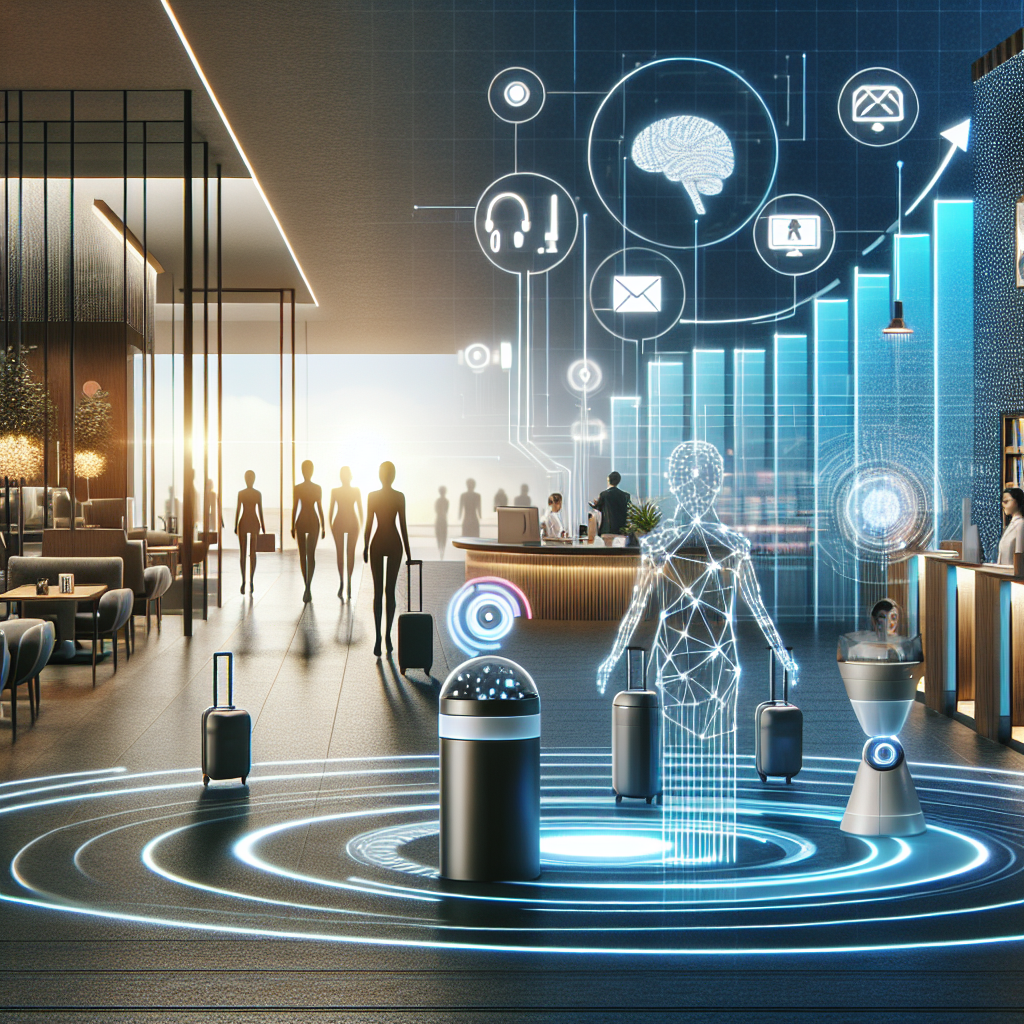
In today’s competitive hospitality industry, hotel branding and marketing have never been more critical. With the rise of online booking platforms and social media, hotels are constantly looking for innovative ways to stand out and attract guests. One of the most effective tools that hotels can leverage to enhance their branding and marketing efforts is artificial intelligence (AI).
AI has the power to transform every aspect of a hotel’s operations, from personalizing the guest experience to optimizing revenue management. By harnessing the power of AI, hotels can gain valuable insights into guest preferences, streamline operations, and create targeted marketing campaigns that drive bookings and increase revenue.
Here are some ways in which hotels can enhance their branding and marketing with AI:
1. Personalized guest experiences: AI can help hotels create personalized experiences for guests by analyzing data such as booking history, preferences, and behavior. By using this data, hotels can tailor their services to meet the unique needs of each guest, leading to increased satisfaction and loyalty.
For example, AI-powered chatbots can provide guests with personalized recommendations on dining options, local attractions, and room upgrades based on their preferences. This level of personalization can help hotels build strong relationships with guests and increase repeat bookings.
2. Revenue management: AI can also be used to optimize revenue management by analyzing market trends, competitor pricing, and demand forecasting. By using AI algorithms, hotels can set dynamic pricing strategies that maximize revenue and occupancy rates.
AI can also help hotels identify booking patterns and trends, allowing them to adjust pricing and promotions in real-time to capitalize on demand. This proactive approach to revenue management can help hotels stay ahead of the competition and increase profitability.
3. Marketing campaigns: AI can revolutionize the way hotels create and execute marketing campaigns. By analyzing customer data and behavior, AI can help hotels identify target audiences, create personalized messaging, and optimize marketing channels for maximum impact.
For example, AI-powered tools can segment customers based on their preferences and booking history, allowing hotels to create targeted campaigns that resonate with specific groups of guests. This level of personalization can help hotels drive engagement, increase bookings, and build brand loyalty.
4. Operational efficiency: AI can streamline hotel operations by automating repetitive tasks and optimizing workflows. For example, AI-powered systems can automate check-in processes, room allocation, and housekeeping schedules, freeing up staff to focus on delivering exceptional guest experiences.
By leveraging AI to automate routine tasks, hotels can improve efficiency, reduce costs, and enhance the overall guest experience. This level of operational excellence can help hotels differentiate themselves from competitors and build a strong brand reputation.
5. Online reputation management: AI can also help hotels monitor and manage their online reputation by analyzing guest reviews, social media mentions, and online feedback. By using sentiment analysis and natural language processing, AI can identify trends, sentiment, and areas for improvement, allowing hotels to respond proactively and address guest concerns.
By actively managing their online reputation, hotels can enhance their brand image, build trust with guests, and drive positive word-of-mouth referrals. This proactive approach to reputation management can help hotels attract new customers and retain existing ones.
In conclusion, AI has the power to transform hotel branding and marketing by personalizing guest experiences, optimizing revenue management, creating targeted marketing campaigns, streamlining operations, and managing online reputation. By leveraging the latest AI technologies, hotels can differentiate themselves from competitors, attract new guests, and build a strong brand presence in the market.
FAQs:
Q: How can AI help hotels personalize the guest experience?
A: AI can help hotels personalize the guest experience by analyzing data such as booking history, preferences, and behavior. By using this data, hotels can tailor their services to meet the unique needs of each guest, leading to increased satisfaction and loyalty.
Q: Can AI help hotels optimize revenue management?
A: Yes, AI can optimize revenue management by analyzing market trends, competitor pricing, and demand forecasting. By using AI algorithms, hotels can set dynamic pricing strategies that maximize revenue and occupancy rates.
Q: How can AI help hotels create targeted marketing campaigns?
A: AI can help hotels create targeted marketing campaigns by analyzing customer data and behavior. By segmenting customers based on their preferences and booking history, hotels can create personalized messaging that resonates with specific groups of guests.
Q: How can AI improve operational efficiency in hotels?
A: AI can improve operational efficiency in hotels by automating repetitive tasks and optimizing workflows. By automating check-in processes, room allocation, and housekeeping schedules, hotels can free up staff to focus on delivering exceptional guest experiences.