
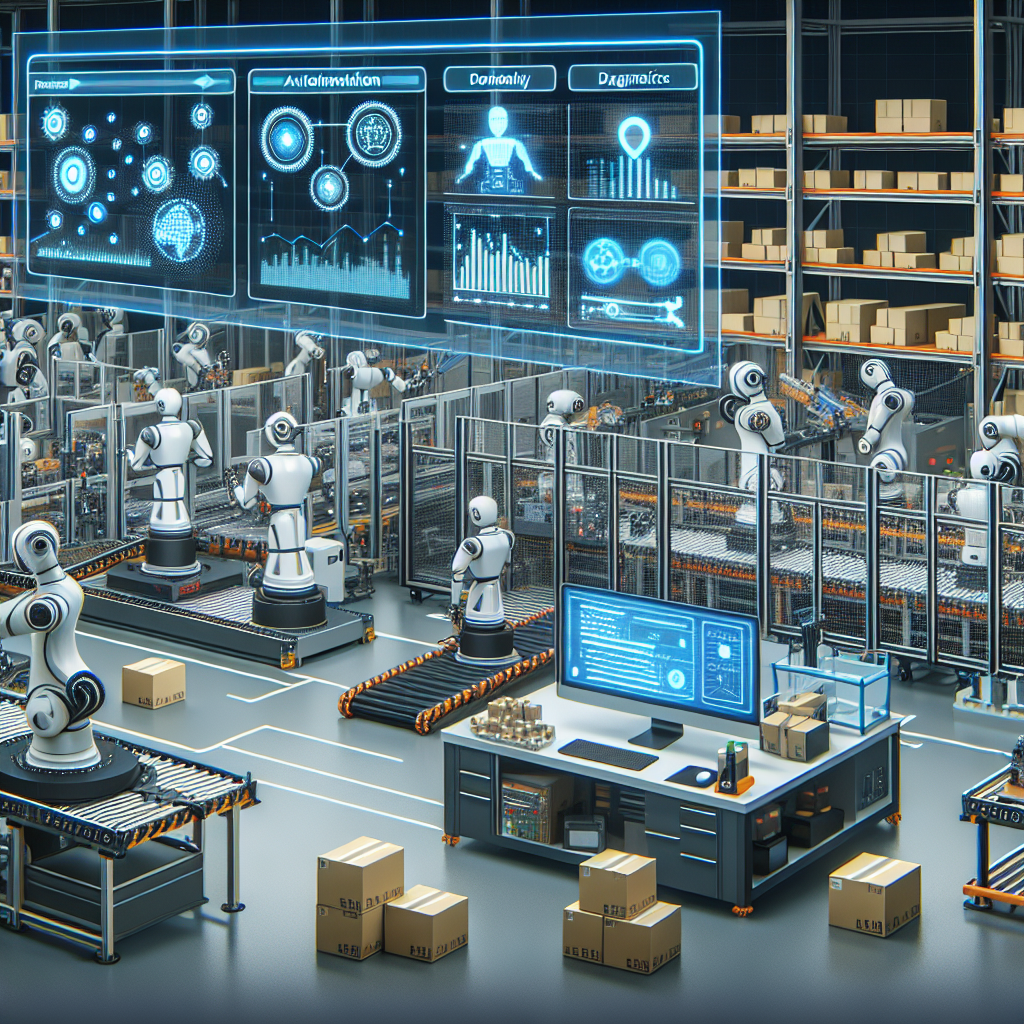
In the fast-paced world of manufacturing, operational efficiency is key to success. Companies are constantly looking for ways to streamline their processes, reduce costs, and increase productivity. One of the most promising technologies that can help achieve these goals is artificial intelligence (AI).
AI is revolutionizing the manufacturing industry by enabling machines to learn from data, make decisions, and perform tasks that were once only possible for humans. This technology has the potential to transform the way manufacturers operate, leading to improved efficiency, reduced downtime, and increased profitability.
Enhancing Operational Efficiency with AI in Manufacturing
1. Predictive Maintenance
One of the most significant benefits of AI in manufacturing is predictive maintenance. By using AI algorithms to analyze data from sensors and machines, manufacturers can predict when equipment is likely to fail and schedule maintenance before a breakdown occurs. This proactive approach to maintenance can help companies avoid costly downtime, reduce repair costs, and extend the lifespan of their equipment.
2. Quality Control
AI can also improve quality control in manufacturing by identifying defects in real-time. Machine learning algorithms can analyze images of products to detect imperfections, ensure compliance with quality standards, and flag any items that do not meet specifications. This can help manufacturers reduce waste, improve product quality, and increase customer satisfaction.
3. Inventory Management
AI can optimize inventory management by analyzing historical data, demand forecasts, and supply chain information to predict inventory levels, reorder points, and lead times. By automating these processes, manufacturers can reduce excess inventory, minimize stockouts, and improve cash flow. AI can also help companies identify opportunities to reduce costs by optimizing storage space, minimizing handling, and streamlining logistics.
4. Supply Chain Optimization
AI can optimize supply chain operations by analyzing data from multiple sources, including suppliers, customers, and transportation providers. By using AI algorithms to predict demand, track shipments, and identify bottlenecks, manufacturers can improve efficiency, reduce costs, and enhance collaboration with partners. AI can also help companies identify opportunities to increase sustainability by optimizing transportation routes, reducing emissions, and minimizing waste.
5. Process Automation
AI can automate repetitive tasks, such as data entry, scheduling, and inventory tracking, to free up employees to focus on more strategic activities. By using AI-powered robots, drones, and autonomous vehicles to perform manual tasks, manufacturers can reduce labor costs, improve accuracy, and increase productivity. AI can also help companies identify opportunities to improve safety by automating hazardous tasks and reducing the risk of accidents.
FAQs
Q: How can AI help manufacturers reduce costs?
A: AI can help manufacturers reduce costs by optimizing inventory levels, improving quality control, and automating repetitive tasks. By using AI algorithms to analyze data and make decisions, manufacturers can identify opportunities to streamline processes, reduce waste, and increase efficiency.
Q: What are the challenges of implementing AI in manufacturing?
A: Some of the challenges of implementing AI in manufacturing include data quality issues, lack of expertise, and resistance to change. Manufacturers may also face challenges related to data privacy, security, and regulatory compliance. However, with the right strategy and support, companies can overcome these obstacles and reap the benefits of AI.
Q: How can manufacturers get started with AI?
A: Manufacturers can get started with AI by identifying their business goals, assessing their data capabilities, and selecting the right AI technologies for their needs. Companies can also partner with AI vendors, consultants, and researchers to develop a roadmap for implementing AI in their operations. By investing in AI training, infrastructure, and talent, manufacturers can position themselves for success in the digital age.
In conclusion, AI has the potential to revolutionize the manufacturing industry by enhancing operational efficiency, improving quality control, and optimizing supply chain operations. By leveraging AI technologies to automate processes, analyze data, and make decisions, manufacturers can reduce costs, increase productivity, and gain a competitive advantage in the global marketplace. As AI continues to evolve and mature, companies that embrace this technology will be well-positioned to succeed in the digital age.