
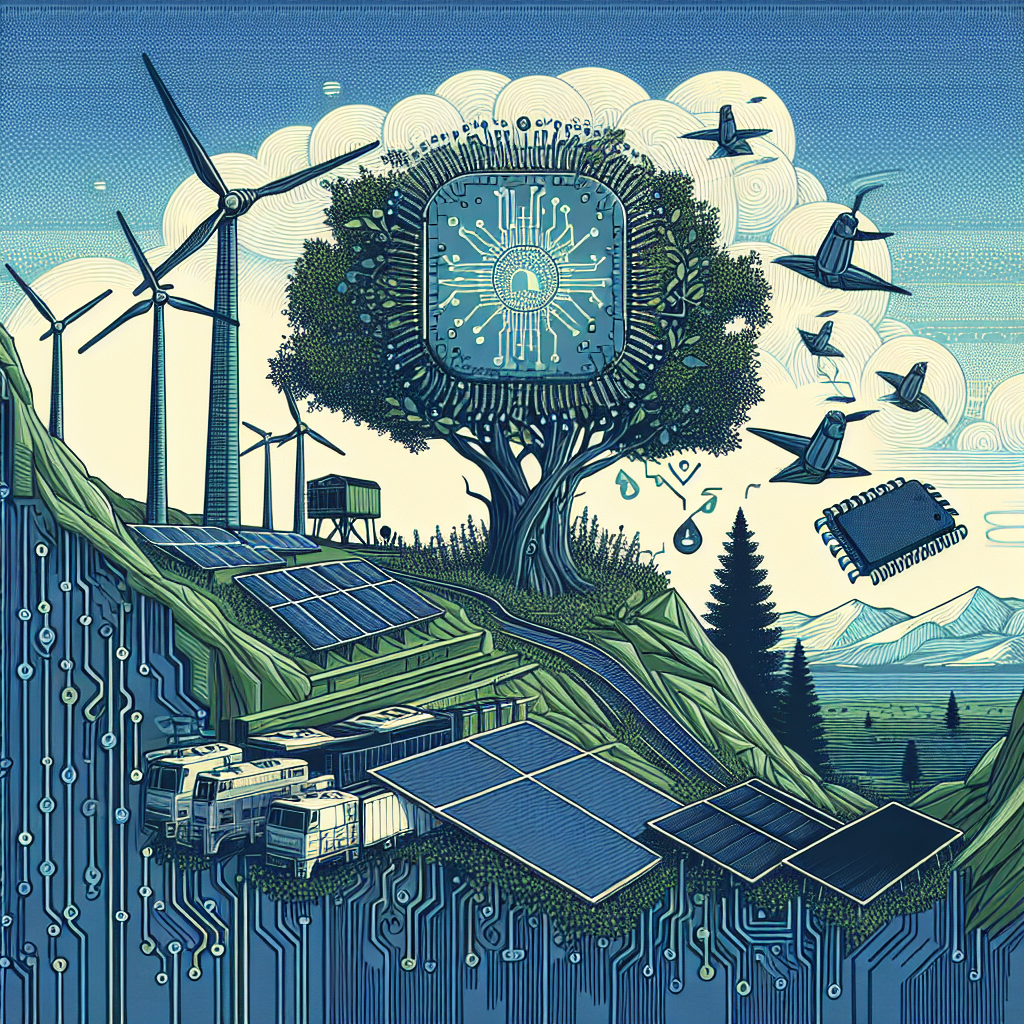
In recent years, the renewable energy market has seen significant growth as governments, businesses, and consumers increasingly prioritize sustainability and environmental responsibility. However, this growth has also brought about new challenges, including the need for increased resilience in the face of changing weather patterns, evolving regulatory landscapes, and volatile energy markets. Artificial intelligence (AI) has emerged as a powerful tool for enhancing the resilience of the renewable energy market, enabling more efficient operations, better risk management, and improved decision-making.
AI technologies can help renewable energy companies optimize their operations by analyzing vast amounts of data in real-time to identify trends, patterns, and anomalies. This allows for more accurate forecasting of energy production, demand, and pricing, leading to improved asset management and grid integration. AI-powered predictive maintenance systems can also help prevent costly equipment failures by identifying potential issues before they occur, reducing downtime and increasing overall efficiency.
One of the key benefits of AI in the renewable energy market is its ability to improve risk management strategies. By analyzing historical data and market trends, AI can help companies identify potential risks and develop strategies to mitigate them. This can include predicting fluctuations in energy prices, assessing the impact of regulatory changes, and identifying vulnerabilities in the grid. By proactively addressing these risks, companies can better protect their assets and ensure long-term sustainability.
AI can also enhance decision-making processes in the renewable energy market by providing actionable insights based on real-time data analysis. This can help companies optimize their energy production and distribution strategies, identify new market opportunities, and streamline their operations. AI-powered algorithms can also help companies adapt to changing market conditions by quickly adjusting their strategies in response to new information.
In addition to improving operational efficiency and risk management, AI can also play a vital role in accelerating the transition to renewable energy sources. By optimizing energy production and distribution, AI can help reduce reliance on fossil fuels and promote the adoption of clean energy technologies. This can help countries meet their climate goals and reduce carbon emissions, leading to a more sustainable and resilient energy system.
Overall, the integration of AI technologies in the renewable energy market has the potential to drive significant advancements in efficiency, sustainability, and resilience. By harnessing the power of AI, renewable energy companies can optimize their operations, improve risk management strategies, and accelerate the transition to clean energy sources. As the renewable energy market continues to evolve, AI will play an increasingly important role in shaping its future.
FAQs:
Q: How can AI help renewable energy companies improve their operational efficiency?
A: AI technologies can help renewable energy companies optimize their operations by analyzing vast amounts of data in real-time to identify trends, patterns, and anomalies. This allows for more accurate forecasting of energy production, demand, and pricing, leading to improved asset management and grid integration.
Q: What role can AI play in risk management strategies for renewable energy companies?
A: AI can help companies identify potential risks by analyzing historical data and market trends, allowing them to develop strategies to mitigate these risks. This can include predicting fluctuations in energy prices, assessing the impact of regulatory changes, and identifying vulnerabilities in the grid.
Q: How can AI enhance decision-making processes in the renewable energy market?
A: AI provides actionable insights based on real-time data analysis, helping companies optimize their energy production and distribution strategies, identify new market opportunities, and streamline their operations. AI-powered algorithms can also help companies adapt to changing market conditions by quickly adjusting their strategies.
Q: How can AI accelerate the transition to renewable energy sources?
A: By optimizing energy production and distribution, AI can help reduce reliance on fossil fuels and promote the adoption of clean energy technologies. This can help countries meet their climate goals and reduce carbon emissions, leading to a more sustainable and resilient energy system.