
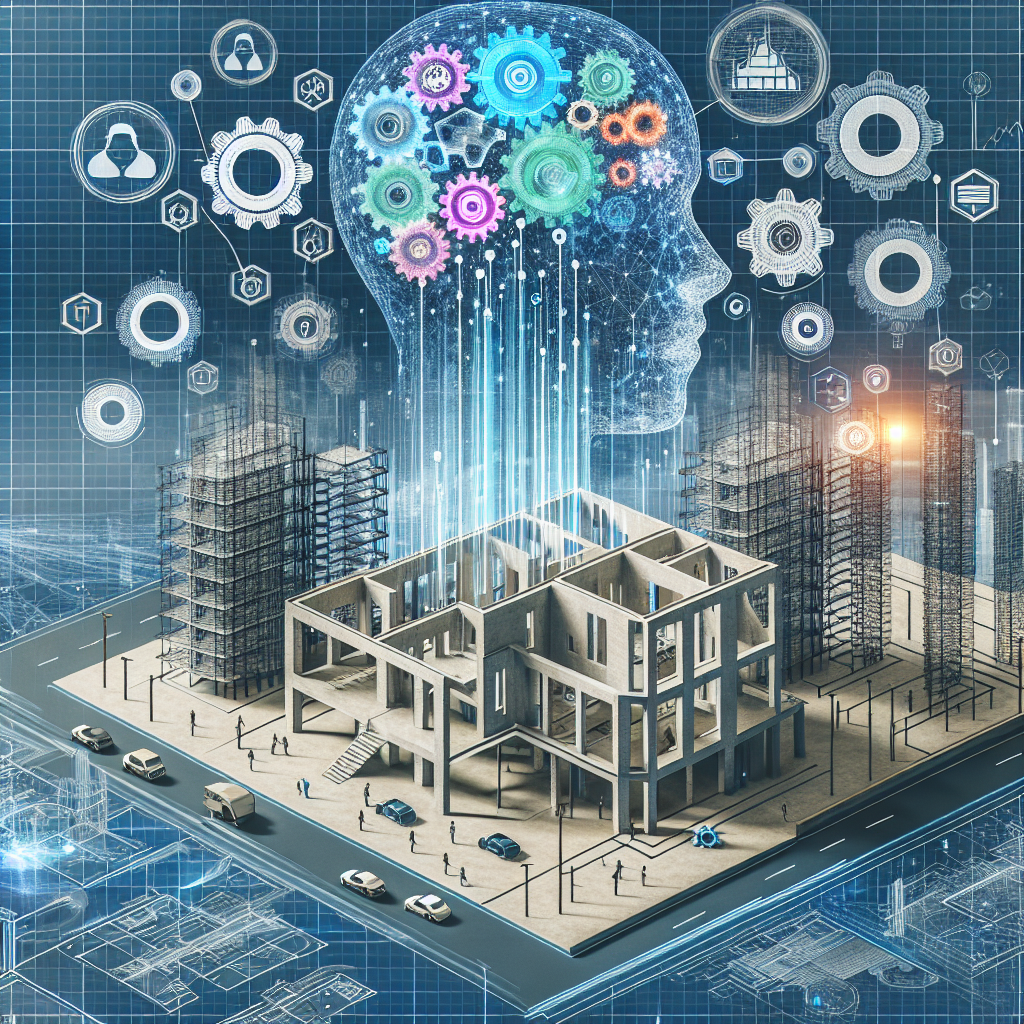
In recent years, artificial intelligence (AI) has been making significant strides in various industries, including architecture. AI has the potential to revolutionize the way architects design buildings and spaces, ultimately enhancing the user experience.
One of the key ways in which AI can enhance user experience in architecture is through the use of generative design. Generative design is a process that involves using algorithms to create thousands of design options based on a set of parameters and constraints. This allows architects to explore a much wider range of design possibilities than would be possible through traditional methods.
By using generative design, architects can quickly generate and evaluate multiple design options, allowing them to find the most optimal solution for a given project. This not only saves time and resources but also results in designs that are more innovative and user-centric.
AI can also be used to analyze data and predict user behavior in buildings. By collecting and analyzing data on how people use and interact with spaces, architects can gain valuable insights into how to design spaces that better meet the needs and preferences of users. This data-driven approach can lead to more user-friendly and efficient designs.
Another way in which AI can enhance user experience in architecture is through the use of virtual reality (VR) and augmented reality (AR) technologies. VR and AR technologies allow architects to create immersive experiences that allow users to virtually walk through and interact with a building before it is built. This can help users better understand and visualize the design, leading to more informed feedback and ultimately better user experiences.
Additionally, AI can be used to automate repetitive tasks in the design process, allowing architects to focus more on creative and strategic aspects of design. This can lead to more innovative and user-centric designs that better meet the needs and preferences of users.
Overall, AI has the potential to greatly enhance user experience in architecture by enabling architects to create more innovative, data-driven, and user-centric designs. By leveraging the power of AI, architects can create spaces that are not only aesthetically pleasing but also functional, efficient, and tailored to the needs and preferences of users.
FAQs:
Q: How can AI help architects in the design process?
A: AI can help architects in the design process by enabling them to quickly generate and evaluate multiple design options through generative design. AI can also analyze data on user behavior to inform design decisions and automate repetitive tasks in the design process.
Q: Can AI predict user behavior in buildings?
A: Yes, AI can analyze data on how people use and interact with spaces to predict user behavior in buildings. This data-driven approach can help architects design spaces that better meet the needs and preferences of users.
Q: How can VR and AR technologies enhance user experience in architecture?
A: VR and AR technologies allow architects to create immersive experiences that allow users to virtually walk through and interact with a building before it is built. This can help users better understand and visualize the design, leading to more informed feedback and ultimately better user experiences.
Q: What are some of the benefits of using AI in architecture?
A: Some of the benefits of using AI in architecture include faster and more efficient design processes, more innovative and user-centric designs, and the ability to automate repetitive tasks. AI can also help architects make more informed design decisions by analyzing data on user behavior.