
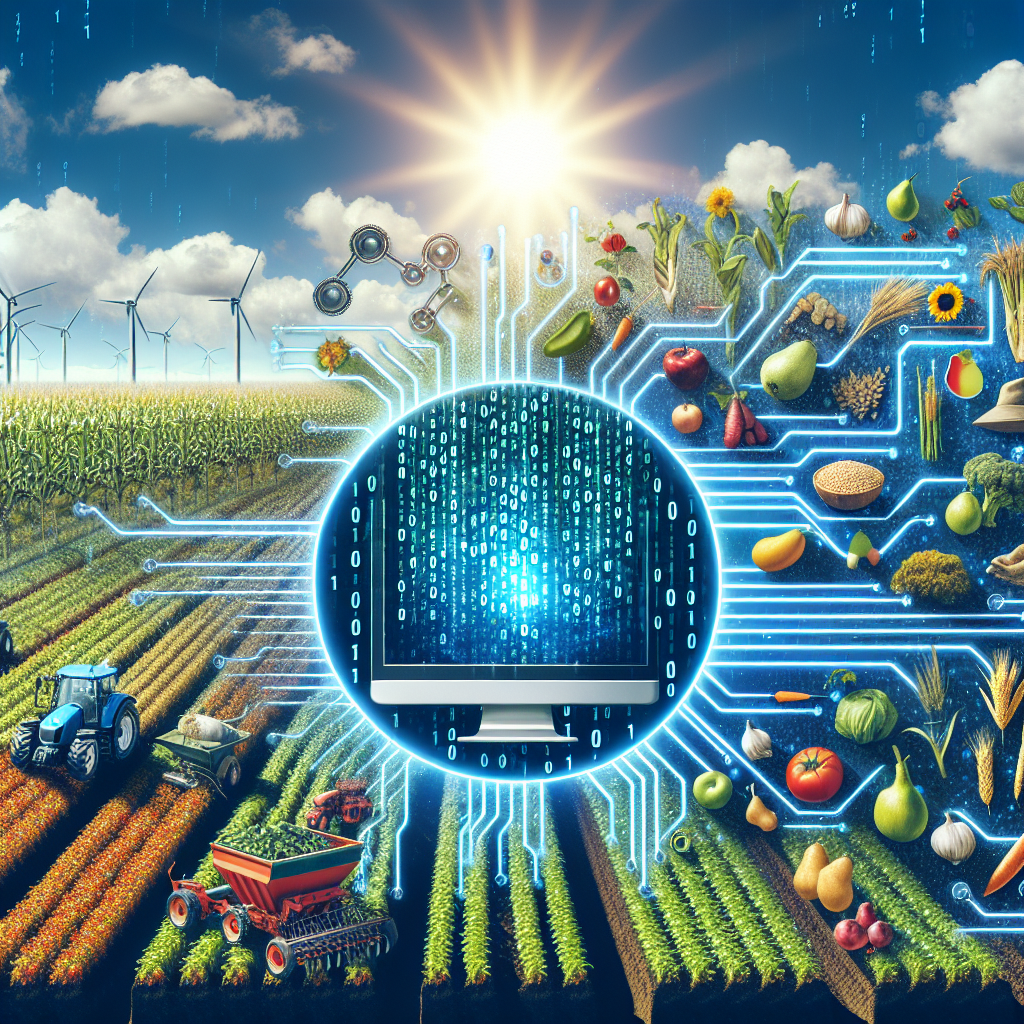
In recent years, advancements in artificial intelligence (AI) have revolutionized numerous industries, including agriculture and food production. AI technologies have the potential to greatly increase efficiency, productivity, and sustainability in these sectors. However, as with any technology, there are ethical considerations that must be taken into account when implementing AI in agriculture and food production.
One of the primary ethical concerns surrounding the use of AI in agriculture and food production is the potential displacement of human workers. As AI technologies become more sophisticated, there is the risk that they will be able to perform tasks that were previously done by humans. This could lead to job losses and economic instability in rural communities that rely on agriculture for employment.
Another ethical consideration is the impact of AI on food safety and security. As AI technologies are integrated into the food production process, there is the potential for errors or malfunctions that could compromise the safety of the food supply. Additionally, there is concern that AI could be used to manipulate food prices or control access to food resources, which could have serious implications for global food security.
Furthermore, there are ethical concerns related to the use of AI in agriculture and food production that are specific to environmental sustainability. For example, there is the risk that AI technologies could be used to intensify agricultural practices, leading to increased deforestation, water pollution, and soil degradation. It is important to consider how AI can be used in a way that promotes sustainable and regenerative agriculture practices.
In addition to these ethical considerations, there are also concerns about data privacy and ownership in the context of AI in agriculture and food production. As AI technologies collect and analyze vast amounts of data, there is the risk that sensitive information about farmers, consumers, and food production processes could be compromised. It is essential to establish clear guidelines and regulations to protect data privacy and ensure that data ownership rights are respected.
To address these ethical considerations, it is essential for stakeholders in the agriculture and food production industries to engage in transparent and inclusive discussions about the use of AI technologies. This includes involving farmers, consumers, policymakers, and other relevant parties in the decision-making process to ensure that the benefits of AI are maximized while minimizing potential risks.
Furthermore, there is a need for robust ethical guidelines and regulations to govern the use of AI in agriculture and food production. These guidelines should address issues such as data privacy, transparency, accountability, and fairness in the deployment of AI technologies. By establishing clear ethical standards, stakeholders can ensure that AI is used in a responsible and sustainable manner.
In conclusion, the use of AI in agriculture and food production holds great promise for improving efficiency, productivity, and sustainability in these sectors. However, it is essential to consider the ethical implications of AI technology and take steps to address potential risks. By engaging in open and inclusive discussions, establishing clear guidelines, and promoting responsible use of AI, stakeholders can harness the benefits of AI while ensuring that ethical considerations are prioritized.
FAQs:
1. How can AI be used to promote sustainability in agriculture?
AI can be used to optimize agricultural practices, such as precision farming, which can reduce the use of inputs such as water, fertilizers, and pesticides. AI can also be used to monitor soil health, predict crop diseases, and improve resource management, all of which can contribute to more sustainable agricultural practices.
2. What are the ethical considerations related to data privacy in AI in agriculture?
Data privacy is a significant concern when it comes to AI in agriculture, as these technologies collect and analyze vast amounts of data about farmers, consumers, and food production processes. It is essential to establish clear guidelines and regulations to protect data privacy and ensure that data ownership rights are respected.
3. How can stakeholders ensure that AI is used in a responsible and sustainable manner in agriculture and food production?
Stakeholders can ensure that AI is used responsibly by engaging in transparent and inclusive discussions about the deployment of AI technologies. By establishing clear ethical guidelines and regulations, stakeholders can promote responsible use of AI and address potential risks related to displacement of human workers, food safety, environmental sustainability, and data privacy.