
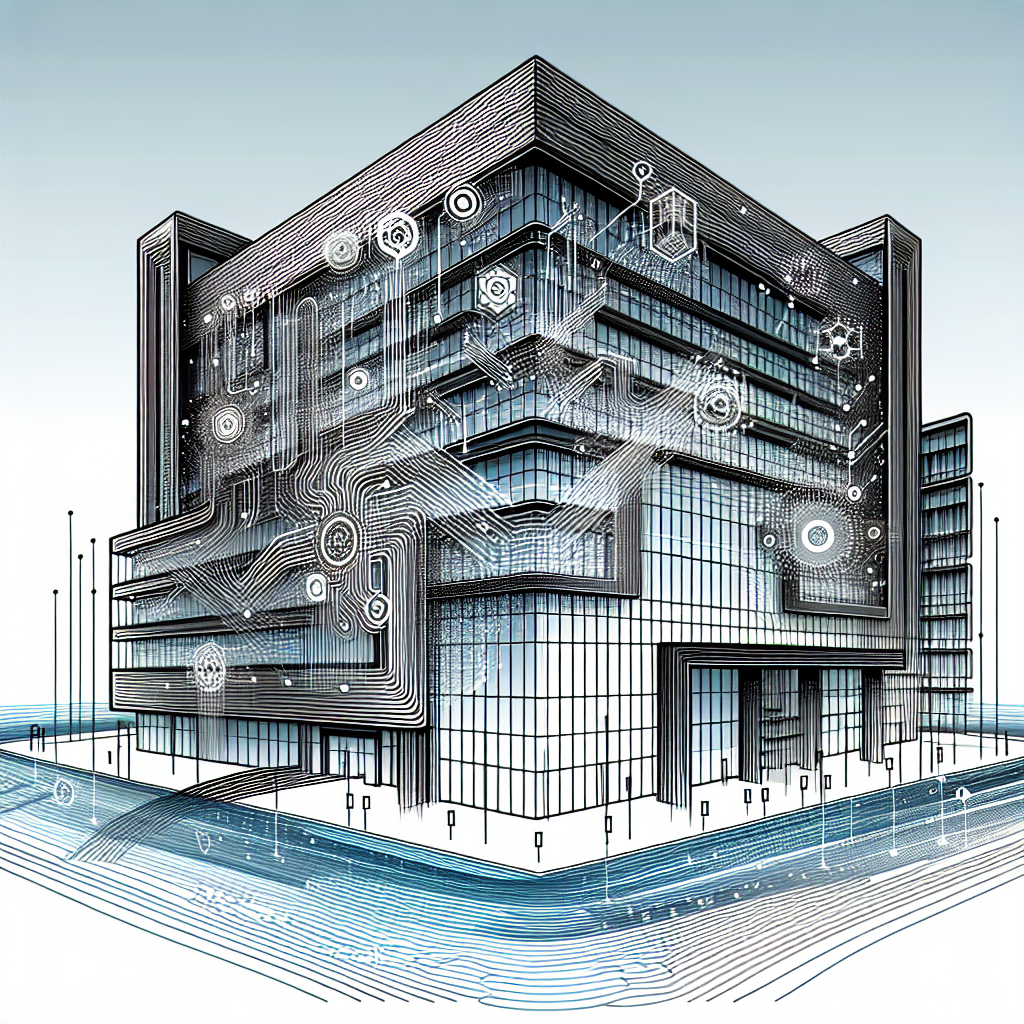
Artificial intelligence (AI) has been making waves in various industries, and architecture is no exception. AI-driven design processes in architecture are changing the way buildings are designed, constructed, and operated. From creating complex design solutions to optimizing energy efficiency, AI is revolutionizing the field of architecture. In this article, we will explore how AI is being used in architecture and its impact on the industry.
AI in Architecture: A Game-Changer
AI technology has the potential to transform the way architects work. By leveraging AI algorithms, architects can generate design solutions that were previously impossible or time-consuming to create. AI can analyze vast amounts of data and generate design options based on specific parameters and constraints. This allows architects to explore a wider range of design possibilities and make more informed decisions.
One of the key benefits of using AI in architecture is its ability to optimize building performance. AI algorithms can analyze building designs and suggest improvements to enhance energy efficiency, daylighting, and overall occupant comfort. By simulating different scenarios, architects can identify the best design solutions that meet their project goals.
AI can also streamline the design process by automating repetitive tasks. For example, AI algorithms can generate floor plans, layouts, and building details based on input parameters. This saves architects time and allows them to focus on more creative and strategic aspects of the design process. Additionally, AI can help architects analyze and visualize complex data sets, such as building performance metrics or occupant behavior patterns.
Another area where AI is making a significant impact in architecture is generative design. Generative design is a design method that involves using algorithms to explore a vast range of design options and identify the best solutions. With AI-driven generative design tools, architects can quickly generate and evaluate multiple design alternatives, leading to more innovative and efficient designs.
AI-driven design processes also have the potential to improve collaboration among architects, engineers, and other stakeholders. By using AI tools to share and analyze project data, team members can work together more effectively and make better-informed decisions. This can help reduce conflicts, improve communication, and ultimately lead to better project outcomes.
Challenges and Opportunities
While AI-driven design processes in architecture offer many benefits, there are also challenges that need to be addressed. One of the main challenges is the need for architects to learn how to use AI tools effectively. Architects need to be trained in using AI algorithms and tools to ensure that they can leverage the technology to its full potential.
Another challenge is the ethical implications of using AI in architecture. Architects need to consider issues such as data privacy, security, and bias when using AI algorithms to generate design solutions. It is essential for architects to be aware of these ethical considerations and take steps to address them in their design processes.
Despite these challenges, AI-driven design processes in architecture offer significant opportunities for innovation and creativity. By embracing AI technology, architects can push the boundaries of design and create buildings that are more sustainable, efficient, and responsive to user needs. AI has the potential to revolutionize the way buildings are designed, constructed, and operated, leading to a more sustainable and resilient built environment.
FAQs:
Q: How is AI being used in architecture?
A: AI is being used in architecture in various ways, such as generating design solutions, optimizing building performance, automating repetitive tasks, and facilitating collaboration among team members.
Q: What are the benefits of using AI in architecture?
A: The benefits of using AI in architecture include the ability to explore a wider range of design possibilities, optimize building performance, streamline the design process, and improve collaboration among stakeholders.
Q: What are the challenges of using AI in architecture?
A: Challenges of using AI in architecture include the need for architects to learn how to use AI tools effectively, ethical considerations related to data privacy and bias, and the potential for job displacement due to automation.
Q: How can architects leverage AI technology in their design processes?
A: Architects can leverage AI technology in their design processes by using AI algorithms to generate design solutions, optimize building performance, automate repetitive tasks, and facilitate collaboration among team members.
Q: What is generative design in architecture?
A: Generative design is a design method that involves using algorithms to explore a vast range of design options and identify the best solutions. AI-driven generative design tools can help architects quickly generate and evaluate multiple design alternatives.
In conclusion, AI-driven design processes in architecture are transforming the way buildings are designed, constructed, and operated. By leveraging AI technology, architects can generate innovative design solutions, optimize building performance, and improve collaboration among team members. While there are challenges and ethical considerations that need to be addressed, the opportunities for innovation and creativity are vast. Architects who embrace AI technology can create buildings that are more sustainable, efficient, and responsive to user needs, leading to a more resilient built environment.