
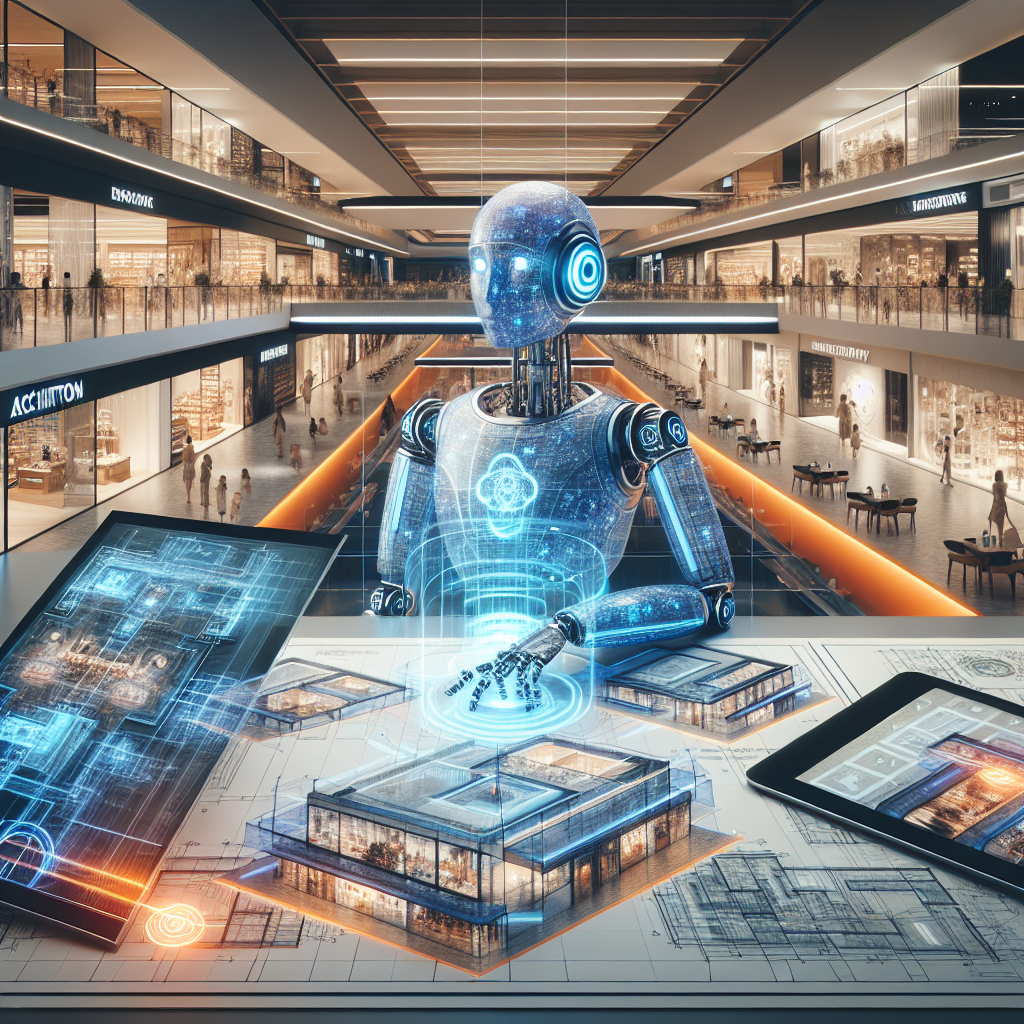
Artificial intelligence (AI) is revolutionizing the way we design retail spaces, with its ability to streamline processes, generate innovative ideas, and optimize the overall customer experience. In the fast-paced world of retail architecture, where trends and consumer preferences are constantly evolving, AI offers a powerful tool for architects and designers to stay ahead of the curve.
AI-enhanced design processes in retail architecture can help create spaces that are not only aesthetically pleasing but also functional and efficient. By harnessing the power of AI, designers can analyze vast amounts of data, predict customer behavior, and optimize the layout and flow of retail spaces to maximize sales and customer satisfaction.
One of the key ways in which AI is transforming retail architecture is through the use of generative design. Generative design uses algorithms to explore thousands of possible design solutions based on a set of parameters and constraints. This allows designers to quickly generate and evaluate a wide range of design options, helping them to discover new possibilities and push the boundaries of traditional design.
AI can also be used to analyze customer data and predict trends, helping designers to create spaces that are tailored to the needs and preferences of their target audience. By analyzing factors such as foot traffic patterns, buying behavior, and demographic information, AI can help designers optimize the layout of a retail space to enhance the overall customer experience and drive sales.
In addition, AI can assist designers in the material selection process by analyzing factors such as cost, durability, and sustainability. By recommending the most suitable materials for a project, AI can help designers reduce waste, save time, and create more environmentally friendly spaces.
Another way in which AI is revolutionizing retail architecture is through the use of virtual reality (VR) and augmented reality (AR) technologies. These immersive technologies allow designers to visualize and experience a space before it is built, helping them to identify potential issues and make adjustments early in the design process. By combining AI with VR and AR, designers can create more realistic and engaging designs that are tailored to the needs of their clients and customers.
Overall, AI-enhanced design processes in retail architecture are transforming the way we think about and design retail spaces. By harnessing the power of AI, designers can create spaces that are not only visually stunning but also functional, efficient, and tailored to the needs of their target audience.
FAQs:
1. How can AI help designers create more sustainable retail spaces?
AI can analyze data on material properties, environmental impact, and cost to recommend the most sustainable materials for a project. By selecting materials that are durable, energy-efficient, and environmentally friendly, designers can create retail spaces that are both sustainable and aesthetically pleasing.
2. How can AI enhance the customer experience in retail spaces?
AI can analyze customer data to predict trends, optimize the layout of a retail space, and personalize the shopping experience for each customer. By creating spaces that are tailored to the needs and preferences of their target audience, designers can enhance the overall customer experience and drive sales.
3. How does generative design work in retail architecture?
Generative design uses algorithms to explore thousands of possible design solutions based on a set of parameters and constraints. By quickly generating and evaluating a wide range of design options, designers can discover new possibilities and push the boundaries of traditional design.
4. What are the benefits of using VR and AR in retail architecture?
VR and AR technologies allow designers to visualize and experience a space before it is built, helping them to identify potential issues and make adjustments early in the design process. By combining AI with VR and AR, designers can create more realistic and engaging designs that are tailored to the needs of their clients and customers.