
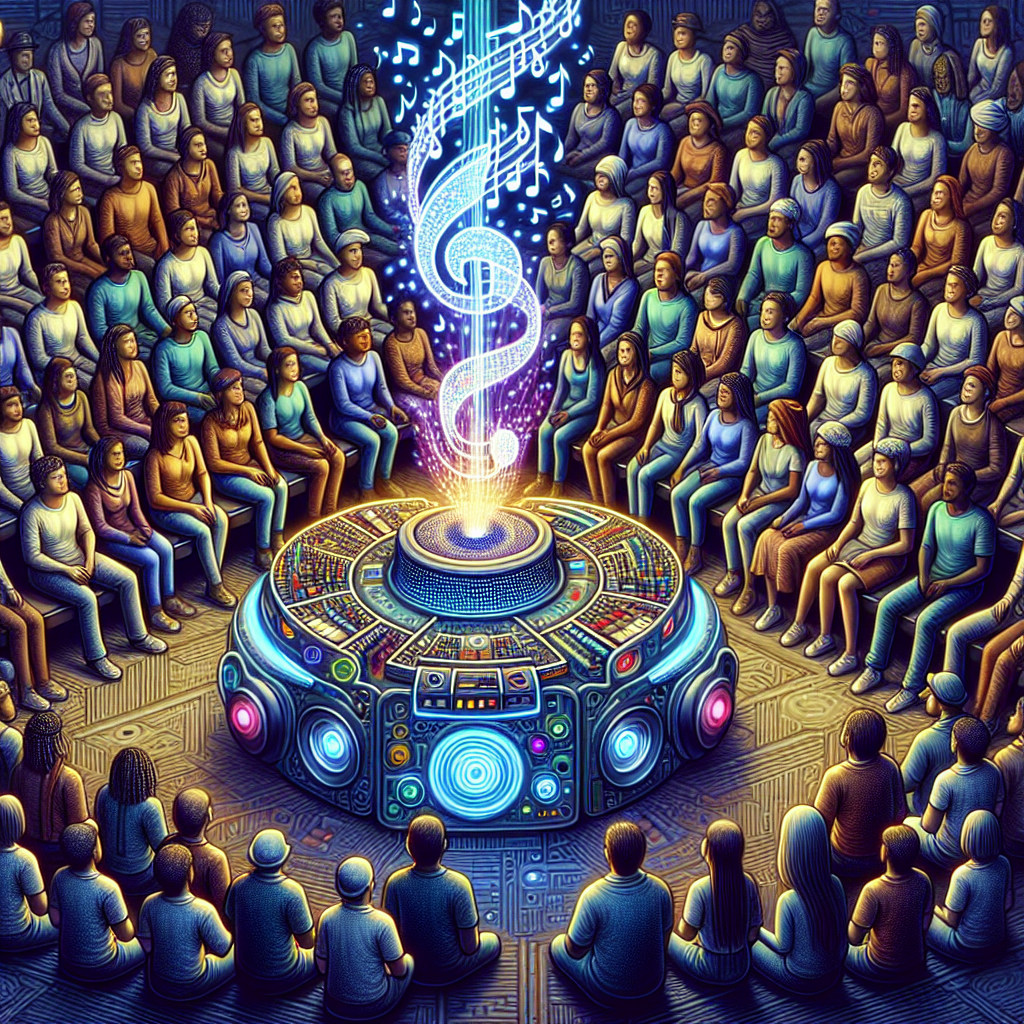
As technology continues to advance, artificial intelligence (AI) is increasingly being used in various creative fields, including music composition. AI-generated music is created using algorithms that analyze vast amounts of musical data to generate new compositions. While AI-generated music has the potential to revolutionize the music industry by producing an endless stream of new and innovative compositions, there are questions about how this music is received emotionally by listeners.
Exploring the emotional response to AI-generated music is a complex and multi-faceted topic that involves understanding the role of emotion in music, the limitations of AI in capturing emotional nuances, and the potential impact of AI-generated music on the music industry and society as a whole.
The Role of Emotion in Music
Music is a powerful medium that has the ability to evoke a wide range of emotions in listeners. From joy and excitement to sadness and nostalgia, music has the power to connect with people on a deep emotional level. The emotional response to music is a complex interplay of various factors, including the melody, harmony, rhythm, lyrics, and the personal experiences and memories of the listener.
Emotion in music is often conveyed through subtle nuances in the composition, such as the use of dynamics, tempo, and phrasing. These elements can create a sense of tension and release, build anticipation, or evoke a particular mood or feeling. The emotional impact of music is also influenced by cultural and societal factors, as different music genres and styles are associated with different emotions and meanings.
AI-Generated Music and Emotional Response
AI-generated music presents a unique challenge when it comes to evoking emotion in listeners. While AI algorithms can analyze and replicate musical patterns and structures, they may struggle to capture the subtle nuances and emotional depth that human composers bring to their compositions. AI-generated music may lack the emotional authenticity and creativity that comes from the personal experiences and artistic vision of a human composer.
However, AI-generated music also has the potential to create new and innovative compositions that push the boundaries of traditional music genres and styles. By analyzing vast amounts of musical data and generating new combinations of musical elements, AI algorithms can produce compositions that are fresh, unexpected, and technically impressive. This can lead to a new and exciting listening experience for audiences.
The emotional response to AI-generated music is likely to vary among listeners. Some may be skeptical of the emotional authenticity of AI-generated music and prefer the human touch of traditional compositions. Others may appreciate the novelty and technical prowess of AI-generated music and find it emotionally engaging in its own right. Ultimately, the emotional response to AI-generated music may depend on the individual listener’s personal preferences, experiences, and cultural background.
Limitations of AI in Capturing Emotional Nuances
One of the main limitations of AI-generated music is its ability to capture the emotional nuances and subtleties that are inherent in human composition. While AI algorithms can analyze and replicate musical patterns and structures, they may struggle to convey the emotional depth and complexity that comes from the personal experiences and artistic vision of a human composer.
For example, AI algorithms may have difficulty understanding the cultural and societal meanings of different musical elements, such as the use of specific chord progressions or melodic motifs. These elements can convey deep emotional and symbolic meanings that may be lost in AI-generated compositions. Additionally, AI algorithms may struggle to create compositions that evoke specific emotions or moods, as they may lack the intuitive understanding and emotional intelligence that human composers possess.
The limitations of AI in capturing emotional nuances raise questions about the authenticity and emotional impact of AI-generated music. While AI-generated music can be technically impressive and innovative, it may lack the emotional depth and subtlety that comes from the human creative process. This can lead to a disconnect between the listener and the music, as the emotional response may feel superficial or contrived.
Impact of AI-Generated Music on the Music Industry and Society
The rise of AI-generated music has the potential to have a significant impact on the music industry and society as a whole. AI algorithms can produce an endless stream of new compositions, leading to a flood of new music that may challenge traditional notions of creativity and originality. This can democratize the music-making process, allowing aspiring musicians and producers to access powerful AI tools that can help them create professional-quality compositions.
However, the proliferation of AI-generated music may also have negative consequences for the music industry. As AI algorithms become more sophisticated and capable of producing high-quality compositions, there is a risk that human composers and musicians may be displaced by AI-generated music. This raises questions about the future of creativity and artistic expression in a world dominated by AI-generated content.
In addition, the emotional impact of AI-generated music on listeners is a key consideration for the music industry. While some listeners may appreciate the novelty and technical prowess of AI-generated music, others may prefer the emotional authenticity and creativity of human compositions. This can create a divide among audiences and challenge the traditional role of music in connecting people on a deep emotional level.
FAQs
Q: Can AI-generated music evoke the same emotional response as human-generated music?
A: While AI-generated music can be technically impressive and innovative, it may struggle to capture the emotional nuances and subtleties that come from the personal experiences and artistic vision of a human composer. AI-generated music may lack the emotional authenticity and creativity that human composers bring to their compositions, leading to a different emotional response from listeners.
Q: What are the limitations of AI in capturing emotional nuances in music?
A: AI algorithms may have difficulty understanding the cultural and societal meanings of different musical elements, such as chord progressions or melodic motifs. They may also struggle to create compositions that evoke specific emotions or moods, as they lack the intuitive understanding and emotional intelligence that human composers possess. This can lead to a disconnect between the listener and the music, as the emotional response may feel superficial or contrived.
Q: How will AI-generated music impact the music industry and society?
A: The rise of AI-generated music has the potential to revolutionize the music industry by producing an endless stream of new compositions. However, the proliferation of AI-generated music may also have negative consequences, such as displacing human composers and musicians. This raises questions about the future of creativity and artistic expression in a world dominated by AI-generated content. The emotional impact of AI-generated music on listeners is also a key consideration for the music industry, as it may challenge traditional notions of musical authenticity and emotional connection.
In conclusion, exploring the emotional response to AI-generated music is a complex and nuanced topic that raises questions about the role of emotion in music, the limitations of AI in capturing emotional nuances, and the potential impact of AI-generated music on the music industry and society. While AI-generated music has the potential to revolutionize the music industry by producing new and innovative compositions, it may struggle to capture the emotional depth and authenticity that comes from the human creative process. Ultimately, the emotional response to AI-generated music is likely to vary among listeners, depending on their personal preferences, experiences, and cultural background.