
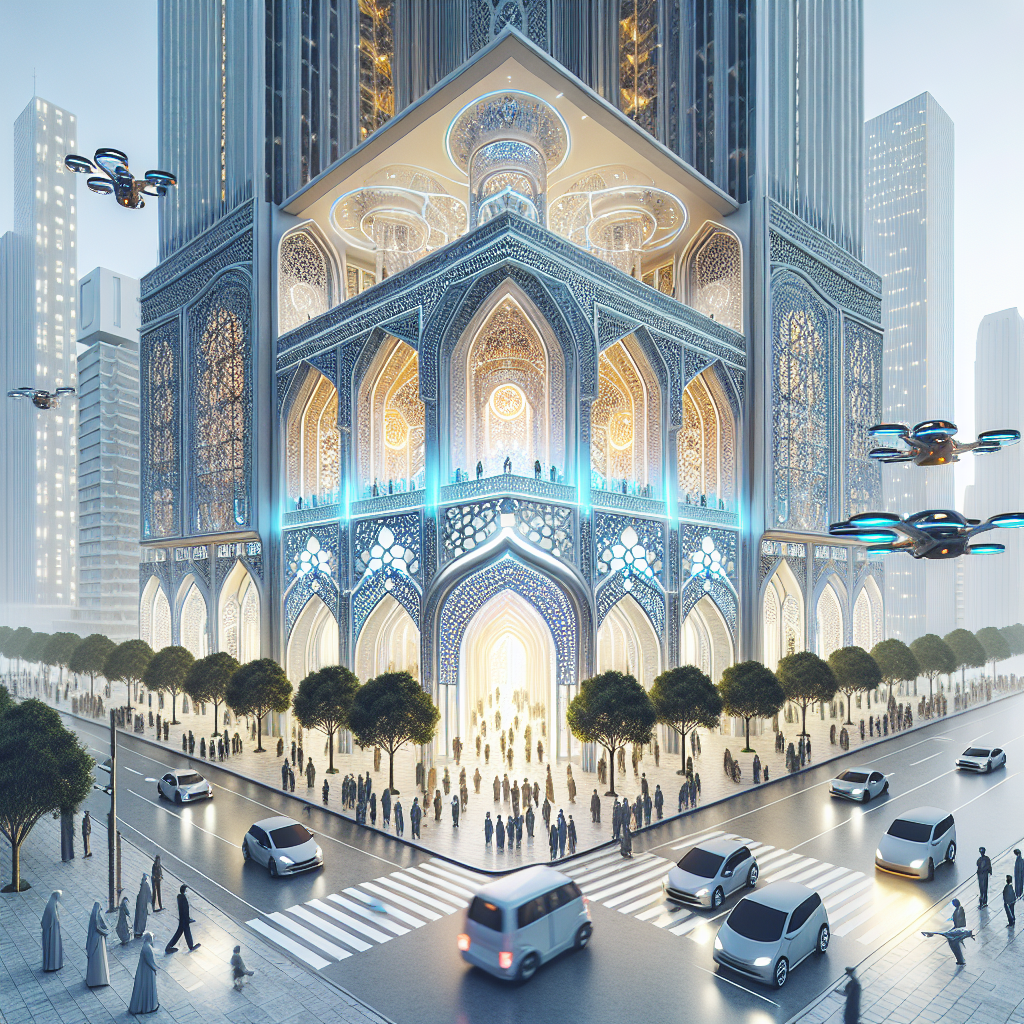
Architecture has always been a field that pushes the boundaries of creativity and innovation. From ancient civilizations constructing monumental structures like the pyramids of Egypt to modern skyscrapers that pierce the sky, architecture has constantly evolved to meet the needs and desires of society. In recent years, artificial intelligence (AI) has begun to play a significant role in shaping the future of architecture, promising to revolutionize the way buildings are designed, constructed, and maintained.
AI in architecture is not a new concept, but recent advancements in machine learning and deep learning technologies have opened up new possibilities for architects and designers. AI can now analyze vast amounts of data, generate design options, optimize building performance, and even predict how buildings will perform in different environmental conditions. This has the potential to streamline the design process, improve energy efficiency, and create more sustainable and resilient buildings.
One of the key ways AI is transforming architecture is through generative design. Generative design is a process where AI algorithms generate multiple design options based on a set of parameters and constraints. This allows architects to explore a much wider range of design possibilities than they could on their own, leading to more innovative and creative solutions. For example, AI can generate thousands of different building layouts based on factors like site conditions, program requirements, and aesthetic preferences, helping architects find the best design solution for a given project.
Another area where AI is making an impact in architecture is in building performance optimization. AI algorithms can analyze building data in real-time to optimize energy consumption, indoor air quality, and occupant comfort. By continuously monitoring and adjusting building systems, AI can help reduce energy costs, improve indoor environmental quality, and extend the lifespan of building components. This not only benefits building owners and occupants but also helps reduce the environmental impact of buildings.
AI is also being used to predict how buildings will perform in different environmental conditions. By simulating various scenarios, AI can help architects and engineers design buildings that are more resilient to climate change, natural disasters, and other external factors. For example, AI can predict how a building will respond to extreme weather events, such as hurricanes or earthquakes, and recommend design changes to improve its performance and safety.
In addition to design and performance optimization, AI is also being used in construction and project management. AI-powered robots and drones can be used to perform tasks like site surveying, material handling, and quality control, reducing the need for human labor and improving efficiency on construction sites. AI can also help project managers track progress, identify potential risks, and optimize schedules to ensure projects are completed on time and within budget.
Despite the many benefits of AI in architecture, there are also challenges and concerns that need to be addressed. One of the main concerns is the potential for AI to replace human architects and designers. While AI can assist in the design process and generate options, it cannot replace the creativity, intuition, and cultural sensitivity that human architects bring to a project. Architects will still play a crucial role in shaping the built environment, but AI can help them work more efficiently and effectively.
Another challenge is the ethical and social implications of using AI in architecture. AI algorithms are only as good as the data they are trained on, and there is a risk of bias and discrimination in the data used to train AI models. Architects and designers need to be aware of these issues and ensure that AI is used in a responsible and ethical manner. Additionally, there are concerns about data privacy and security, as AI systems may collect and analyze sensitive information about buildings and their occupants.
Despite these challenges, the future of architecture with AI looks promising. As AI technologies continue to advance, architects and designers will have access to powerful tools that can help them create more innovative, sustainable, and resilient buildings. By embracing AI and integrating it into their design processes, architects can stay ahead of the curve and shape the future of architecture in exciting new ways.
FAQs
Q: Will AI replace human architects and designers?
A: AI can assist in the design process and generate options, but it cannot replace the creativity, intuition, and cultural sensitivity that human architects bring to a project. Architects will still play a crucial role in shaping the built environment, but AI can help them work more efficiently and effectively.
Q: What are the ethical and social implications of using AI in architecture?
A: AI algorithms are only as good as the data they are trained on, and there is a risk of bias and discrimination in the data used to train AI models. Architects and designers need to be aware of these issues and ensure that AI is used in a responsible and ethical manner. Additionally, there are concerns about data privacy and security, as AI systems may collect and analyze sensitive information about buildings and their occupants.
Q: How can AI improve building performance and sustainability?
A: AI can analyze building data in real-time to optimize energy consumption, indoor air quality, and occupant comfort. By continuously monitoring and adjusting building systems, AI can help reduce energy costs, improve indoor environmental quality, and create more sustainable and resilient buildings.
Q: What are some practical applications of AI in architecture?
A: AI can be used for generative design, building performance optimization, predictive modeling, construction robotics, project management, and many other tasks that can help architects and designers create more innovative and efficient buildings.