
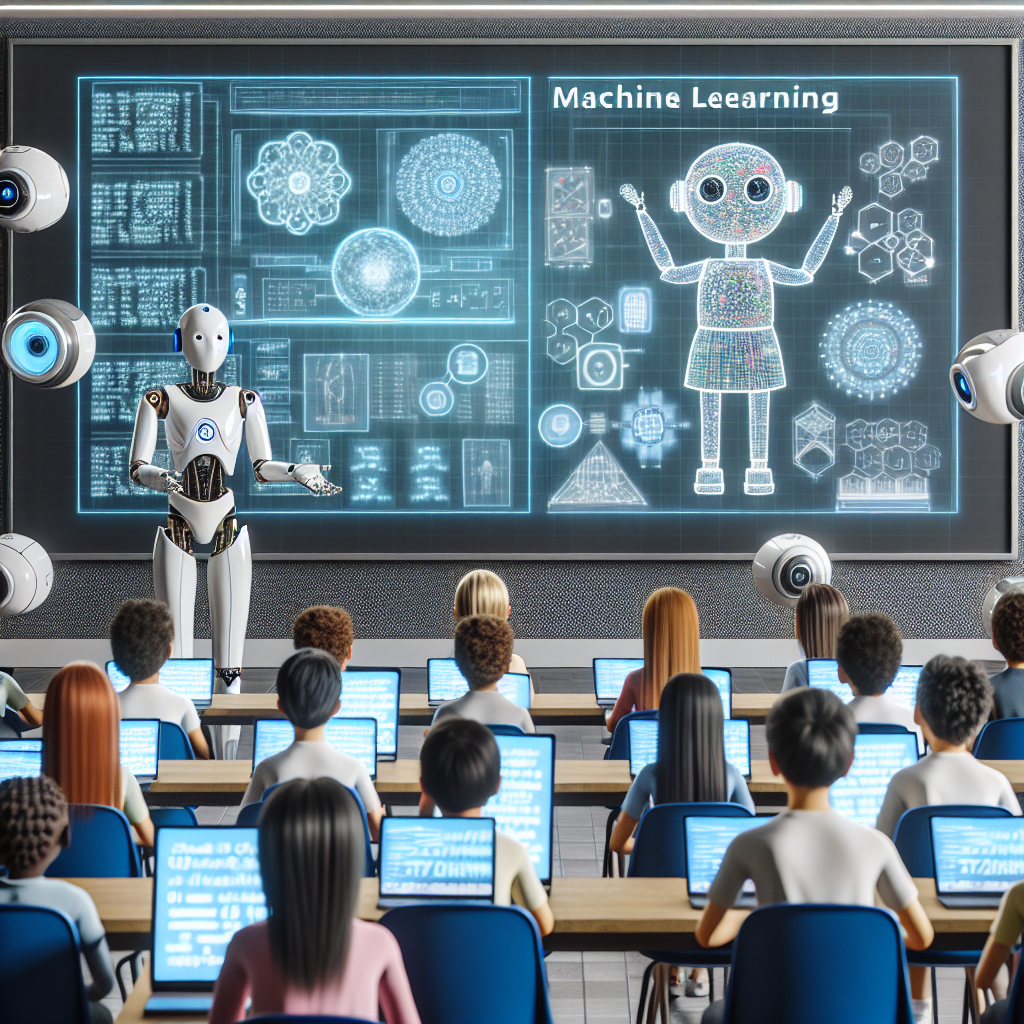
Artificial Intelligence (AI) and Machine Learning (ML) are rapidly transforming various industries, including education. These technologies have the potential to revolutionize the way students learn, teachers teach, and schools operate. By leveraging AI and ML, educators can personalize learning experiences, analyze student performance, and improve educational outcomes. In this article, we will explore the future possibilities of AI and ML in education and how these technologies are reshaping the learning landscape.
Personalized Learning Experiences
One of the key benefits of AI and ML in education is the ability to personalize learning experiences for students. By analyzing data on student preferences, learning styles, and performance, AI algorithms can generate tailored lesson plans, assignments, and assessments. This individualized approach helps students learn at their own pace and in a way that suits their unique needs.
For example, adaptive learning platforms use AI to provide real-time feedback to students as they work through course materials. These platforms can identify areas where students are struggling and offer additional resources or support to help them master the material. By adapting to each student’s learning style and pace, these platforms can improve student engagement and retention.
Analyzing Student Performance
AI and ML can also be used to analyze student performance data, providing valuable insights to educators and administrators. By tracking student progress, identifying patterns, and predicting outcomes, AI algorithms can help educators make data-driven decisions to support student success.
For instance, predictive analytics can be used to identify students who are at risk of falling behind or dropping out. By analyzing factors such as attendance, grades, and behavior, AI algorithms can flag students who may need additional support or interventions. This proactive approach allows educators to intervene early and provide targeted assistance to help students succeed.
Improving Educational Outcomes
By harnessing the power of AI and ML, educators can improve educational outcomes for all students. These technologies can help identify gaps in learning, customize instruction, and support student growth and development. By using data-driven insights to inform teaching practices, educators can optimize the learning experience and ensure that all students have the opportunity to succeed.
For example, AI-powered tutoring systems can provide personalized support to students outside of the classroom. These systems can offer instant feedback, adaptive exercises, and targeted resources to help students master challenging concepts. By supplementing traditional instruction with AI tutoring, educators can enhance student learning and improve academic performance.
Challenges and Considerations
While the potential benefits of AI and ML in education are vast, there are also challenges and considerations to be aware of. One concern is the potential for bias in AI algorithms, which can perpetuate inequalities and reinforce existing disparities in education. It is critical for educators and developers to address bias in AI systems and ensure that they are fair, transparent, and equitable.
Additionally, there are privacy and security concerns related to the use of AI and ML in education. As these technologies collect and analyze vast amounts of student data, it is essential to protect sensitive information and comply with regulations such as the Family Educational Rights and Privacy Act (FERPA). Educators must prioritize data security and privacy to maintain trust and confidence in AI-powered systems.
Future Possibilities
Looking ahead, the future possibilities of AI and ML in education are limitless. These technologies have the potential to transform teaching and learning in ways that were previously unimaginable. As AI algorithms become more sophisticated and powerful, educators can leverage these tools to create innovative learning experiences, support student growth, and improve educational outcomes.
In the coming years, we can expect to see AI-powered virtual tutors, personalized learning platforms, and adaptive assessments becoming more prevalent in classrooms. These technologies will enable educators to provide individualized support to students, optimize instruction, and enhance the overall learning experience. By embracing AI and ML, educators can unlock new opportunities for innovation and collaboration in education.
FAQs
Q: How can AI and ML be used to personalize learning experiences for students?
A: AI and ML can analyze student data to identify learning preferences, strengths, and weaknesses. By leveraging this information, educators can create personalized lesson plans, assignments, and assessments tailored to each student’s individual needs.
Q: What are some potential challenges of using AI and ML in education?
A: Some challenges include bias in AI algorithms, privacy and security concerns, and the need for proper training and support for educators. It is essential to address these challenges to ensure that AI and ML are used effectively and ethically in education.
Q: How can educators address bias in AI algorithms?
A: Educators can address bias in AI algorithms by ensuring that data sets are diverse and representative, testing algorithms for fairness and transparency, and regularly monitoring and evaluating their performance. By taking proactive steps to address bias, educators can create more equitable and inclusive learning environments.
Q: What are some future possibilities of AI and ML in education?
A: Future possibilities include AI-powered virtual tutors, personalized learning platforms, and adaptive assessments. These technologies have the potential to revolutionize teaching and learning, enhance student outcomes, and create more engaging and effective educational experiences.