
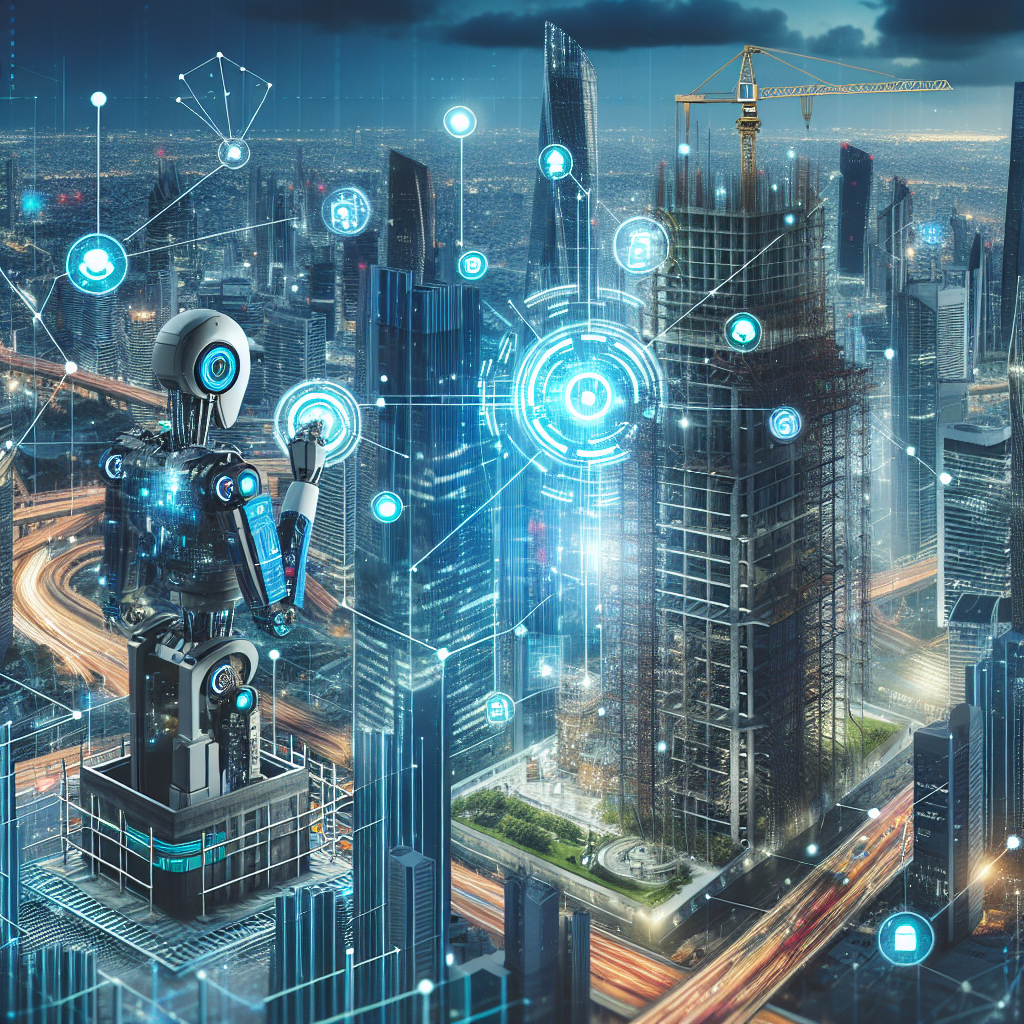
Artificial Intelligence (AI) has been transforming various industries, and real estate development is no exception. The potential of AI in real estate development is vast, offering opportunities to streamline processes, enhance decision-making, and improve overall efficiency. From property management to market analysis, AI is revolutionizing the way real estate projects are planned, executed, and managed.
AI in Market Analysis
One of the key areas where AI is making a significant impact in real estate development is market analysis. AI algorithms can analyze large volumes of data to identify trends, patterns, and insights that can help developers make informed decisions about where to invest and what types of properties to develop. By analyzing data such as demographic information, sales history, and market trends, AI can provide valuable insights into market demand, pricing trends, and potential risks.
AI in Property Management
Another area where AI is being increasingly used in real estate development is property management. AI-powered software can automate routine tasks such as rent collection, maintenance scheduling, and tenant communication, freeing up property managers to focus on more strategic activities. AI can also help property managers identify maintenance issues early on, predict tenant turnover, and optimize rental pricing based on market demand.
AI in Design and Construction
AI is also being used to improve the design and construction of real estate projects. AI-powered tools can help architects and engineers optimize building designs, predict construction costs, and improve energy efficiency. By analyzing data on building materials, construction techniques, and environmental factors, AI can help developers create more sustainable, cost-effective, and aesthetically pleasing buildings.
AI in Customer Service
AI is also transforming the way real estate developers interact with customers. AI-powered chatbots can provide instant responses to customer inquiries, schedule property viewings, and even assist with the buying or renting process. By leveraging AI, developers can provide a more personalized and efficient customer experience, leading to higher satisfaction and loyalty.
FAQs
Q: How can AI help real estate developers make better investment decisions?
A: AI can analyze large volumes of data to identify market trends, predict property values, and assess potential risks, helping developers make informed decisions about where to invest and what types of properties to develop.
Q: Can AI help improve the efficiency of property management?
A: Yes, AI-powered software can automate routine tasks such as rent collection, maintenance scheduling, and tenant communication, freeing up property managers to focus on more strategic activities.
Q: How can AI optimize building design and construction?
A: AI can analyze data on building materials, construction techniques, and environmental factors to help architects and engineers optimize building designs, predict construction costs, and improve energy efficiency.
Q: How can AI enhance customer service in real estate development?
A: AI-powered chatbots can provide instant responses to customer inquiries, schedule property viewings, and assist with the buying or renting process, leading to a more personalized and efficient customer experience.
In conclusion, the potential of AI in real estate development is immense, offering opportunities to streamline processes, enhance decision-making, and improve overall efficiency. From market analysis to property management, design and construction, and customer service, AI is transforming the way real estate projects are planned, executed, and managed. By leveraging AI technologies, real estate developers can gain a competitive edge in a rapidly evolving industry and drive innovation in the built environment.