
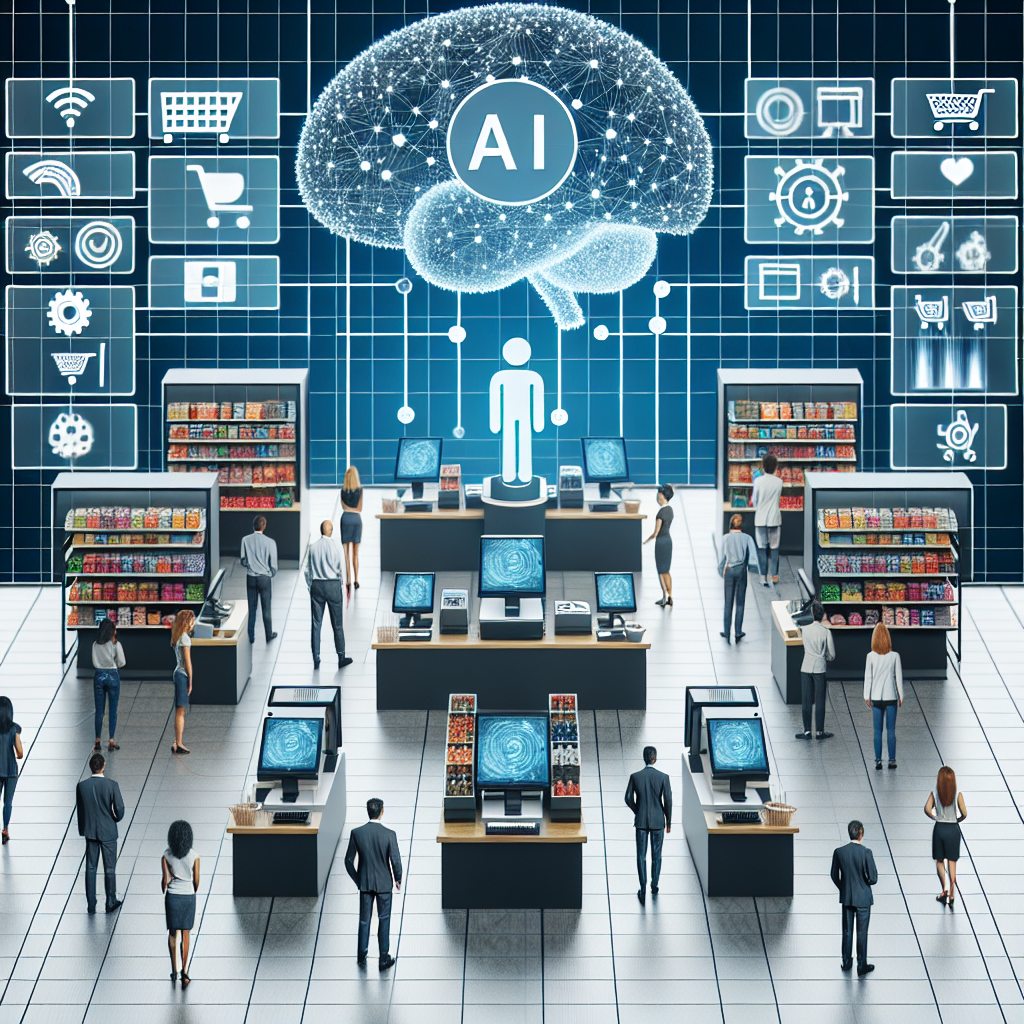
Artificial intelligence (AI) has revolutionized various industries, and retail is no exception. In the age of digital transformation, retailers are leveraging AI in their analytics to gain valuable insights and make informed decisions. From personalized recommendations to inventory management, AI is transforming the retail landscape and helping businesses stay competitive in a rapidly evolving market.
One of the key areas where AI is making a significant impact in retail is business intelligence. By utilizing AI-powered analytics, retailers can analyze vast amounts of data to understand consumer behavior, optimize operations, and drive revenue growth. In this article, we will explore the potential of AI in retail analytics for business intelligence and how it can help retailers thrive in the digital age.
Personalized Recommendations
One of the most common applications of AI in retail analytics is personalized recommendations. By analyzing customer data, such as purchase history, browsing behavior, and demographics, AI algorithms can predict customer preferences and offer personalized product recommendations. This not only enhances the shopping experience for customers but also increases sales and customer loyalty.
For example, e-commerce giant Amazon uses AI algorithms to analyze customer data and provide personalized product recommendations. By recommending products based on individual preferences, Amazon has been able to significantly increase sales and customer engagement.
Inventory Management
AI-powered analytics can also help retailers optimize their inventory management processes. By analyzing historical sales data, seasonality trends, and external factors such as weather and economic conditions, AI algorithms can forecast demand accurately and optimize inventory levels. This helps retailers avoid stockouts, reduce excess inventory, and improve overall supply chain efficiency.
For instance, Walmart uses AI algorithms to analyze sales data and predict demand for its products. By optimizing inventory levels, Walmart has been able to reduce stockouts and improve its overall operational efficiency.
Customer Segmentation
AI in retail analytics can also help retailers segment their customers more effectively. By analyzing customer data, such as purchase behavior, demographics, and psychographics, AI algorithms can identify different customer segments and tailor marketing strategies accordingly. This allows retailers to target specific customer groups with personalized marketing messages and offers, leading to higher conversion rates and customer satisfaction.
For example, clothing retailer Stitch Fix uses AI algorithms to analyze customer data and segment its customers based on their style preferences and shopping habits. By targeting specific customer segments with personalized recommendations, Stitch Fix has been able to increase customer engagement and loyalty.
Predictive Analytics
Another key application of AI in retail analytics is predictive analytics. By analyzing historical data and identifying patterns and trends, AI algorithms can predict future outcomes and help retailers make informed decisions. This allows retailers to anticipate customer demand, optimize pricing strategies, and identify potential risks and opportunities.
For instance, luxury fashion retailer Burberry uses predictive analytics to forecast sales and optimize its pricing strategies. By analyzing historical sales data and external factors such as economic conditions and fashion trends, Burberry can predict future demand and adjust its pricing accordingly.
Challenges and Opportunities
While the potential of AI in retail analytics is vast, there are also challenges that retailers need to overcome. One of the key challenges is data quality and integration. Retailers often have vast amounts of data scattered across different systems and platforms, making it difficult to extract meaningful insights. To harness the power of AI in retail analytics, retailers need to invest in data quality and integration processes to ensure that data is clean, accurate, and accessible.
Another challenge is talent and skills. AI-powered analytics require specialized skills such as data science, machine learning, and programming. Retailers need to invest in training and hiring skilled professionals to effectively implement AI in their analytics processes.
Despite these challenges, the opportunities that AI presents in retail analytics are immense. By leveraging AI-powered analytics, retailers can gain valuable insights, optimize operations, and drive revenue growth. In the age of digital transformation, AI is becoming a key differentiator for retailers looking to stay competitive in a rapidly evolving market.
FAQs
Q: How can retailers get started with AI in retail analytics?
A: Retailers looking to get started with AI in retail analytics can begin by identifying their business objectives and data sources. They can then invest in AI tools and technologies that align with their objectives, such as predictive analytics, personalized recommendations, and customer segmentation. Retailers can also consider partnering with AI vendors or hiring skilled professionals to help them implement AI in their analytics processes.
Q: What are the benefits of AI in retail analytics?
A: The benefits of AI in retail analytics are vast. AI-powered analytics can help retailers gain valuable insights, optimize operations, and drive revenue growth. By analyzing customer data, retailers can offer personalized recommendations, optimize inventory levels, segment customers effectively, and predict future outcomes. This not only enhances the shopping experience for customers but also increases sales and customer loyalty.
Q: What are some examples of retailers using AI in retail analytics?
A: Several retailers are already leveraging AI in their analytics processes. For example, e-commerce giant Amazon uses AI algorithms to provide personalized product recommendations to its customers. Walmart uses AI to optimize inventory levels and predict demand for its products. Burberry uses predictive analytics to forecast sales and optimize pricing strategies. These examples highlight the diverse applications of AI in retail analytics and the benefits it can bring to retailers.
In conclusion, AI in retail analytics is revolutionizing the way retailers analyze data, gain insights, and make informed decisions. By leveraging AI-powered analytics, retailers can enhance the shopping experience for customers, optimize operations, and drive revenue growth. Despite the challenges, the opportunities that AI presents in retail analytics are immense. In the age of digital transformation, retailers that embrace AI are poised to thrive in a rapidly evolving market.