
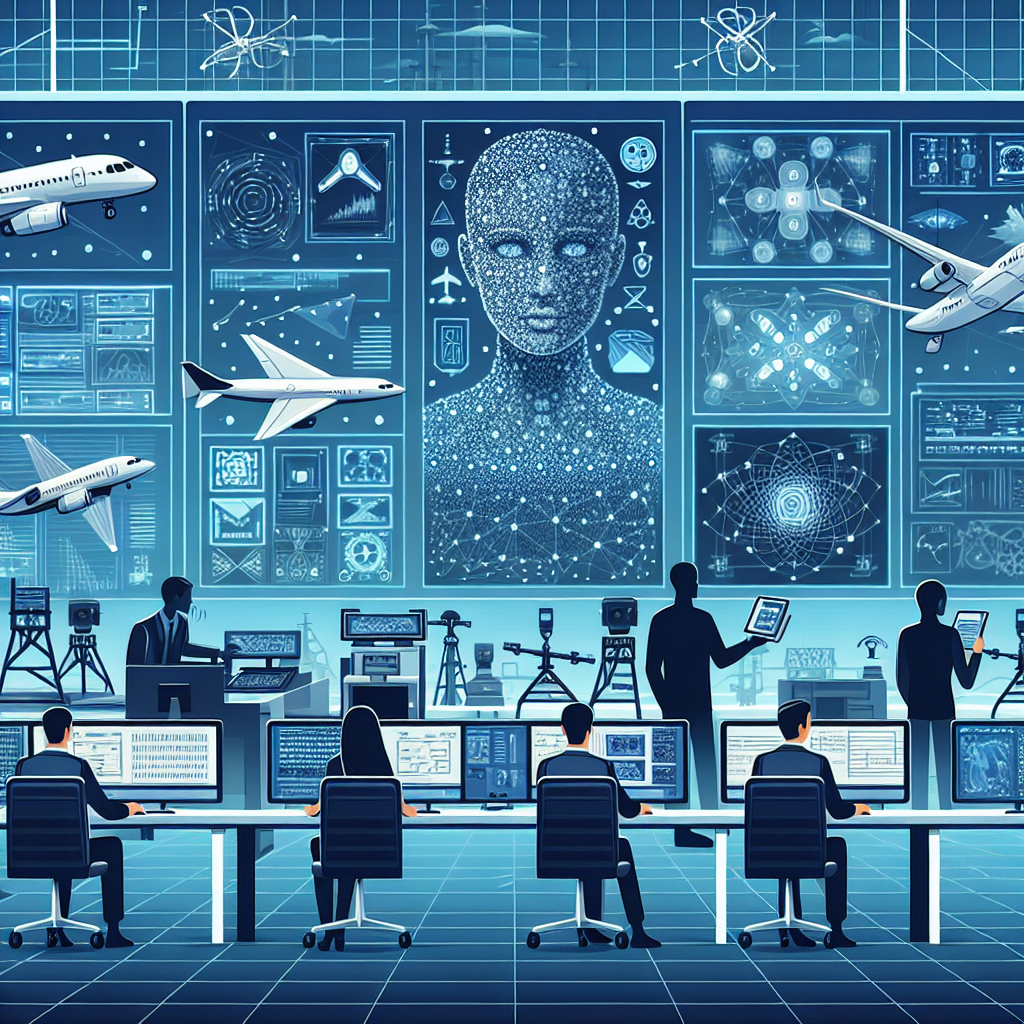
Artificial intelligence (AI) has rapidly transformed countless industries, and aerospace engineering is no exception. The potential of AI platforms in this field is vast, offering opportunities for increased efficiency, improved safety, and enhanced capabilities in aircraft design, manufacturing, and operations. In this article, we will explore the various ways in which AI is being utilized in aerospace engineering and the potential it holds for the future.
AI in Aerospace Engineering: Current Applications
One of the key areas where AI is making a significant impact in aerospace engineering is in the design and optimization of aircraft. AI algorithms can analyze vast amounts of data and simulate different scenarios to identify the most efficient and effective designs. This allows engineers to quickly iterate on design concepts and find optimal solutions that meet performance requirements while minimizing cost and weight.
AI is also being used to improve the manufacturing process in aerospace engineering. By analyzing data from sensors and cameras on the production line, AI algorithms can detect defects in real-time and make adjustments to ensure quality control. This not only reduces the likelihood of errors and rework but also speeds up the manufacturing process, leading to cost savings and increased productivity.
In addition to design and manufacturing, AI is being utilized in aerospace engineering to enhance safety and efficiency in aircraft operations. AI-powered predictive maintenance systems can analyze data from sensors on aircraft components to detect potential issues before they lead to a breakdown. This allows maintenance crews to proactively address problems and minimize downtime, reducing costs and improving overall fleet reliability.
AI platforms are also being used to optimize flight operations, from route planning and fuel management to air traffic control. By analyzing real-time data on weather conditions, air traffic patterns, and aircraft performance, AI algorithms can recommend the most efficient flight paths and fuel-saving strategies. This not only reduces fuel consumption and emissions but also improves on-time performance and passenger satisfaction.
Future Potential of AI in Aerospace Engineering
Looking ahead, the potential of AI platforms in aerospace engineering is only expected to grow. As AI algorithms become more sophisticated and capable of handling larger datasets, they will be able to tackle even more complex challenges in aircraft design, manufacturing, and operations.
One promising area of development is in autonomous aircraft systems. AI-powered algorithms can enable aircraft to make real-time decisions and navigate complex environments without human intervention. This could lead to significant advancements in unmanned aerial vehicles (UAVs) for tasks such as surveillance, search and rescue, and cargo delivery.
AI is also poised to revolutionize air traffic management systems. By leveraging AI algorithms to optimize air traffic flow and reduce congestion, airlines can save time and fuel, while also minimizing their environmental impact. This could lead to a more sustainable and efficient air transportation system that benefits both passengers and the environment.
Furthermore, AI platforms can enhance the overall passenger experience by personalizing services and providing real-time updates on flight status and amenities. By analyzing data on passenger preferences and behavior, airlines can tailor their offerings to meet individual needs and preferences, leading to higher customer satisfaction and loyalty.
FAQs
Q: How is AI being used in aircraft design?
A: AI algorithms are being used to analyze vast amounts of data and simulate different design scenarios to identify the most efficient and effective aircraft designs. This allows engineers to quickly iterate on design concepts and find optimal solutions that meet performance requirements while minimizing cost and weight.
Q: How is AI improving manufacturing processes in aerospace engineering?
A: AI-powered systems can analyze data from sensors and cameras on the production line to detect defects in real-time and make adjustments to ensure quality control. This not only reduces errors and rework but also speeds up the manufacturing process, leading to cost savings and increased productivity.
Q: How is AI enhancing safety in aircraft operations?
A: AI-powered predictive maintenance systems can analyze data from sensors on aircraft components to detect potential issues before they lead to a breakdown. This allows maintenance crews to proactively address problems and minimize downtime, reducing costs and improving overall fleet reliability.
Q: What is the future potential of AI in aerospace engineering?
A: The potential of AI in aerospace engineering is expected to grow as algorithms become more sophisticated and capable of handling larger datasets. AI is poised to revolutionize autonomous aircraft systems, air traffic management, and passenger services, leading to a more efficient and sustainable air transportation system.
In conclusion, the potential of AI platforms in aerospace engineering is vast and promising. From optimizing aircraft design and manufacturing processes to enhancing safety and efficiency in aircraft operations, AI is revolutionizing the aerospace industry in countless ways. As AI technology continues to evolve, we can expect even more groundbreaking advancements in the future that will further improve the safety, efficiency, and sustainability of air transportation.