
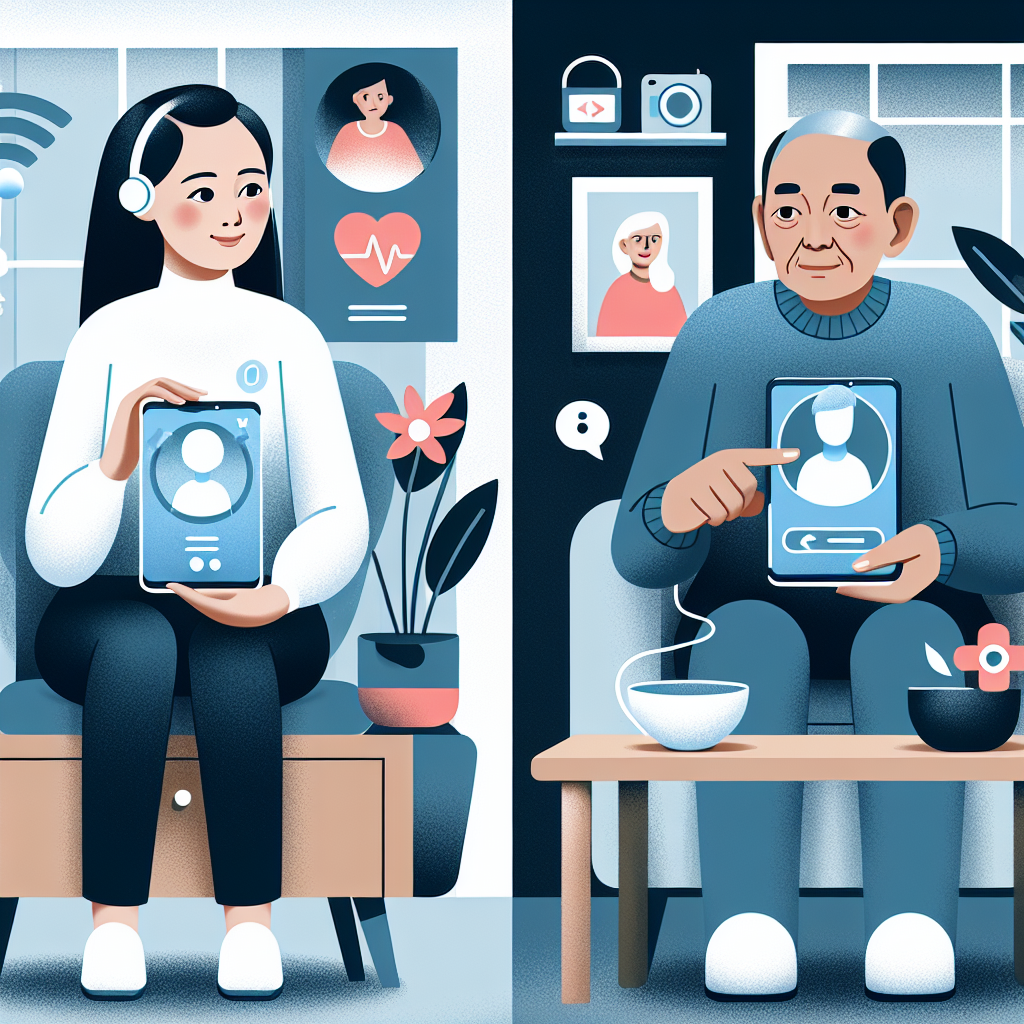
The aging population is a rapidly growing demographic worldwide, with the number of people aged 65 and over expected to double by 2050. This demographic shift presents numerous challenges for healthcare systems, as older adults are more likely to have chronic health conditions and require more complex care. In recent years, there has been increasing interest in the potential of artificial intelligence (AI) platforms to revolutionize aging population care and improve the quality of life for older adults.
AI platforms have the potential to transform the way healthcare is delivered to the aging population by enabling more personalized and proactive care. These platforms can analyze vast amounts of data from electronic health records, wearable devices, and other sources to identify patterns and trends that can help predict and prevent health issues before they escalate. AI algorithms can also help healthcare providers make more informed decisions about treatment options and interventions, leading to better outcomes for older adults.
One of the key benefits of AI platforms in aging population care is their ability to improve care coordination and communication among healthcare providers, caregivers, and older adults themselves. AI-powered tools can streamline the sharing of information and facilitate collaboration among different members of the care team, leading to more efficient and effective care delivery. These platforms can also empower older adults to take a more active role in managing their health by providing them with personalized recommendations and reminders to adhere to their treatment plans.
Furthermore, AI platforms can help address the growing shortage of healthcare providers by automating routine tasks and freeing up clinicians to focus on more complex and high-value activities. For example, AI-powered chatbots can provide older adults with information and support around the clock, reducing the burden on healthcare providers and improving access to care for those in remote or underserved areas. Similarly, AI algorithms can help healthcare providers prioritize their workload and allocate resources more effectively, ensuring that older adults receive the care they need in a timely manner.
Despite the numerous benefits of AI platforms in aging population care, there are also challenges and concerns that need to be addressed. One of the main concerns is the potential for AI algorithms to perpetuate bias and discrimination, particularly in healthcare settings. For example, if AI platforms are trained on biased data or algorithms, they may inadvertently reinforce existing disparities in healthcare access and outcomes for older adults from marginalized groups. It is crucial for developers and healthcare providers to carefully monitor and evaluate the performance of AI platforms to ensure they are fair and equitable for all older adults.
Another challenge is the need to protect the privacy and security of older adults’ health data when using AI platforms. As these platforms rely on large amounts of sensitive information to generate insights and recommendations, there is a risk of unauthorized access or misuse of data that could compromise older adults’ privacy and confidentiality. Healthcare providers must implement robust data protection measures and comply with regulatory requirements to safeguard the security of older adults’ health information when using AI platforms.
In addition, there are concerns about the potential for AI platforms to replace human interaction and empathy in aging population care. While AI algorithms can provide valuable insights and recommendations, they cannot replace the human touch and emotional support that older adults often need when facing health challenges. It is important for healthcare providers to strike a balance between using AI technology to enhance care delivery and maintaining the human connection that is essential for older adults’ well-being.
Despite these challenges, the potential of AI platforms in aging population care is immense, and their adoption is likely to continue to grow in the coming years. As healthcare systems face increasing pressure to provide high-quality care to a growing number of older adults, AI platforms offer a promising solution to improve care outcomes, enhance care coordination, and empower older adults to take control of their health. By harnessing the power of AI technology, healthcare providers can revolutionize aging population care and create a more sustainable and efficient healthcare system for the future.
FAQs:
1. How can AI platforms improve care coordination for older adults?
AI platforms can streamline the sharing of information and facilitate collaboration among different members of the care team, leading to more efficient and effective care delivery for older adults.
2. Are there concerns about the privacy and security of older adults’ health data when using AI platforms?
Yes, there are concerns about unauthorized access or misuse of sensitive health data that could compromise older adults’ privacy and confidentiality. Healthcare providers must implement robust data protection measures to safeguard the security of health information.
3. Can AI platforms replace human interaction and empathy in aging population care?
While AI algorithms can provide valuable insights and recommendations, they cannot replace the human touch and emotional support that older adults often need. It is important for healthcare providers to maintain the human connection in care delivery.
4. How can AI platforms help address the growing shortage of healthcare providers for the aging population?
AI platforms can automate routine tasks and free up clinicians to focus on more complex activities, helping healthcare providers prioritize their workload and allocate resources more effectively to ensure older adults receive timely care.