
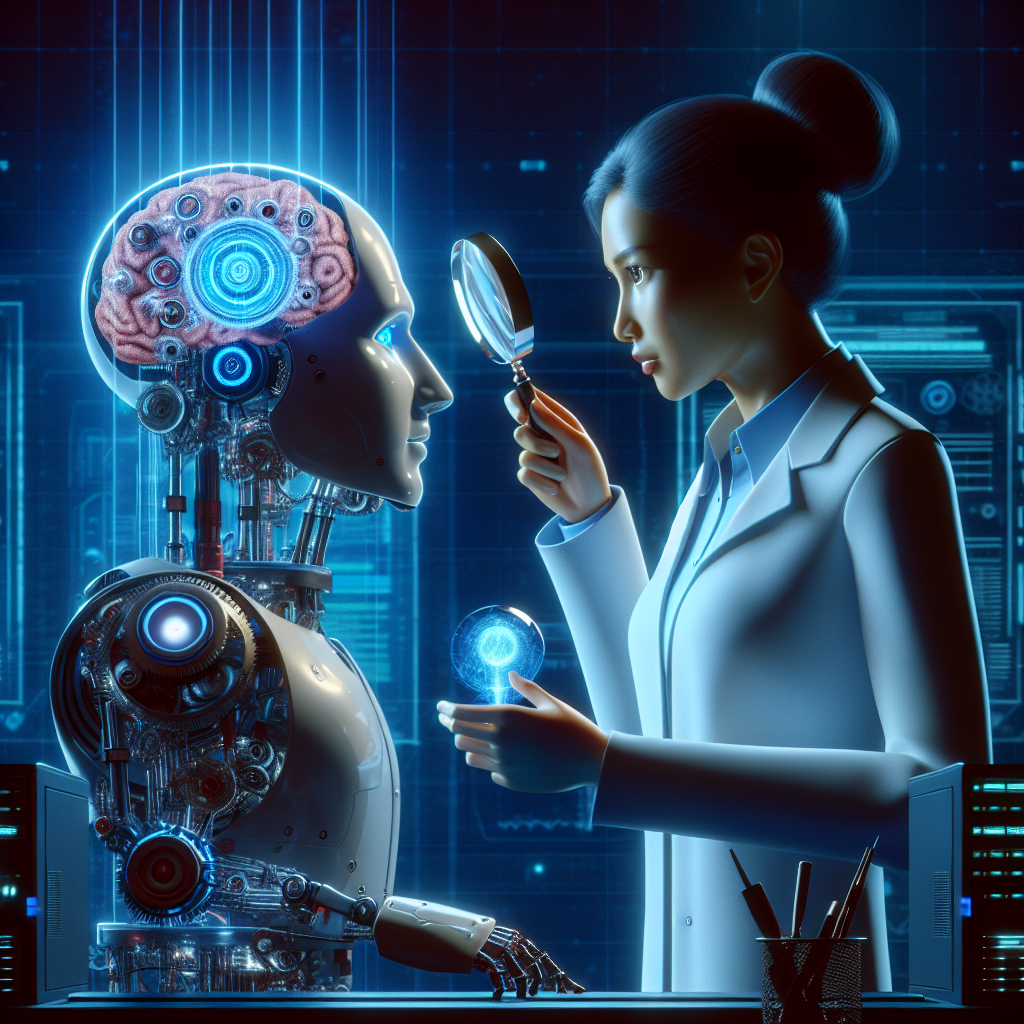
Artificial Intelligence (AI) and Machine Learning (ML) have become integral parts of our daily lives, revolutionizing industries and transforming the way we interact with technology. From personalized recommendations on streaming services to self-driving cars, AI and ML have made significant advancements in recent years. However, as these technologies continue to evolve, so too do the risks associated with their use.
Exploring the Risks of AI and Machine Learning
1. Job Displacement: One of the most significant risks of AI and ML is the potential for job displacement. As these technologies become more advanced, there is a growing concern that they will replace human workers in various industries. Automation can lead to job losses in sectors such as manufacturing, transportation, and customer service, resulting in economic instability and social unrest.
2. Bias and Discrimination: AI and ML algorithms are only as good as the data they are trained on. If the data used to train these algorithms is biased or incomplete, it can result in discriminatory outcomes. For example, facial recognition software has been found to be less accurate when identifying people of color, leading to concerns about racial bias in law enforcement and other applications.
3. Privacy and Security: The use of AI and ML in collecting and analyzing vast amounts of data raises significant privacy and security concerns. Companies and governments may use these technologies to track individuals’ behavior, preferences, and personal information without their consent. This can lead to data breaches, identity theft, and other forms of cybercrime.
4. Lack of Transparency: AI and ML algorithms are often seen as “black boxes” that make decisions without clear explanations. This lack of transparency can make it difficult to understand how these technologies work and why they produce certain outcomes. As a result, it can be challenging to hold AI systems accountable for their actions and address any errors or biases that may arise.
5. Ethical Concerns: The use of AI and ML raises ethical dilemmas related to autonomy, accountability, and fairness. For example, autonomous vehicles must make split-second decisions that can have life-or-death consequences. Who is responsible when an AI system makes a mistake? How can we ensure that these technologies are used in a way that promotes the greater good and respects human rights?
FAQs
Q: Are AI and ML the same thing?
A: While AI and ML are often used interchangeably, they are not the same. AI refers to the broader field of creating intelligent machines that can simulate human cognitive functions, while ML is a subset of AI that focuses on algorithms that can learn from data and make predictions.
Q: How can we address bias in AI and ML algorithms?
A: To address bias in AI and ML algorithms, it is essential to ensure that the data used to train these algorithms is diverse, representative, and free from bias. Additionally, organizations can implement fairness checks and audits to identify and mitigate any biases that may arise in these technologies.
Q: What role do regulations play in governing the use of AI and ML?
A: Regulations can play a crucial role in governing the use of AI and ML by setting standards for data privacy, security, and transparency. Governments and industry organizations can develop guidelines and policies to ensure that these technologies are used responsibly and ethically.
Q: How can individuals protect their privacy in the age of AI and ML?
A: Individuals can protect their privacy in the age of AI and ML by being mindful of the data they share online, using strong passwords and encryption, and staying informed about the privacy policies of the companies and organizations they interact with. Additionally, they can advocate for stronger data protection laws and regulations.
In conclusion, while AI and ML offer many benefits and opportunities, they also pose significant risks that must be addressed. By understanding and exploring these risks, we can work towards developing AI and ML technologies that are ethical, transparent, and accountable. It is essential for policymakers, businesses, and individuals to collaborate and take proactive steps to mitigate these risks and ensure that these technologies are used responsibly for the betterment of society.