
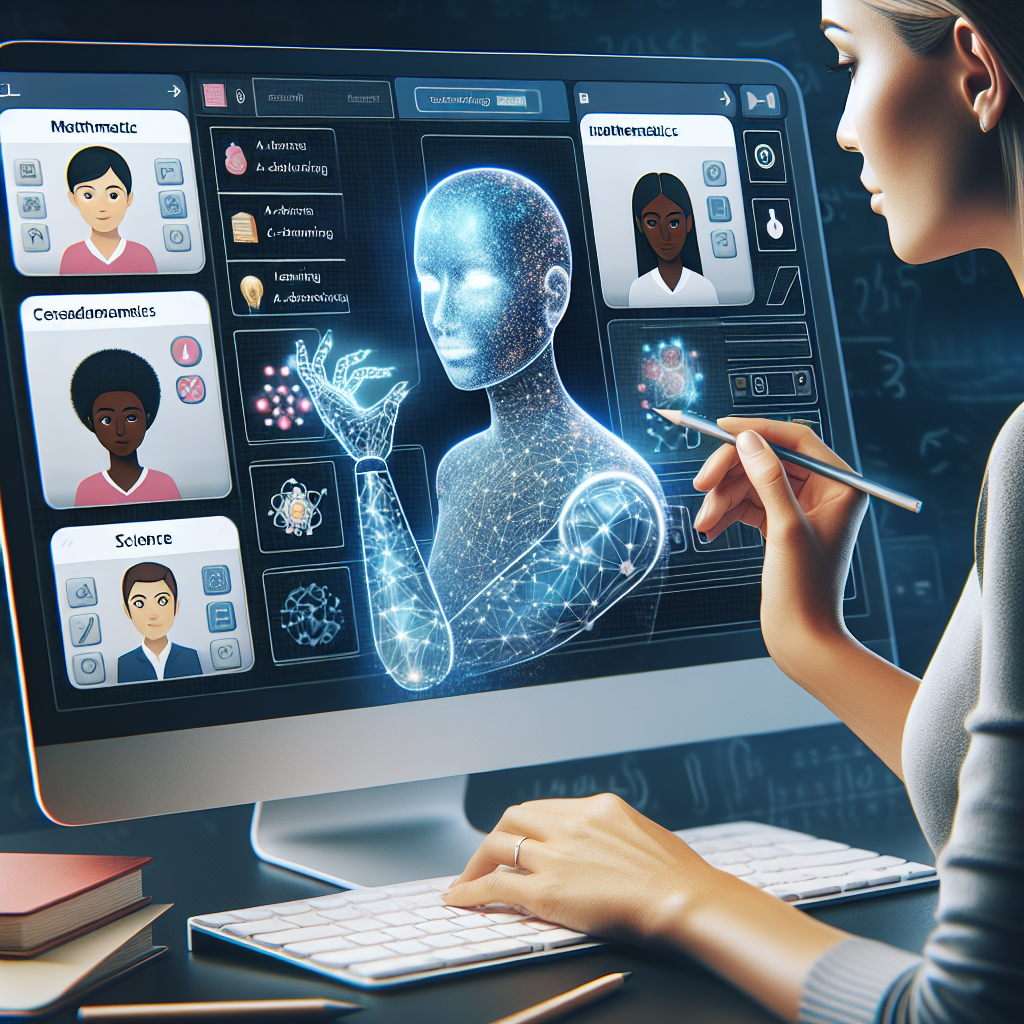
In recent years, there has been a significant shift towards personalized learning in education. This approach recognizes that every student has unique strengths, weaknesses, and learning styles, and seeks to tailor instruction to meet the individual needs of each learner. Personalized learning has been shown to improve student outcomes, engagement, and motivation, making it an increasingly popular approach in schools and educational institutions around the world.
One of the key drivers of personalized learning is the use of artificial intelligence (AI) software. AI has the ability to analyze vast amounts of data, identify patterns, and make predictions, making it an invaluable tool for personalizing instruction. In this article, we will explore the role of AI software in personalized learning, its benefits, challenges, and future prospects.
Benefits of AI in Personalized Learning
There are several benefits of using AI software in personalized learning. One of the key advantages is its ability to analyze student data and provide insights into their learning progress. By tracking student performance, AI can identify areas where a student may be struggling and provide targeted interventions to help them improve. This can help educators tailor instruction to meet the specific needs of each student, leading to better learning outcomes.
AI software can also adapt to each student’s individual learning style and pace. By analyzing how a student interacts with the material, AI can personalize the content and delivery method to suit their preferences. For example, if a student learns best through visual aids, AI can provide more visual content to support their learning. This personalized approach can help students stay engaged and motivated, leading to better retention of information.
Another benefit of AI in personalized learning is its ability to provide immediate feedback to students. This can help students identify their mistakes, correct them, and improve their understanding of the material. By providing real-time feedback, AI can help students stay on track and make progress towards their learning goals.
Challenges of AI in Personalized Learning
While AI software has many benefits for personalized learning, there are also some challenges that need to be addressed. One of the main challenges is the potential for bias in AI algorithms. AI systems are only as good as the data they are trained on, and if the data is biased, the algorithm may make biased decisions. This can lead to unfair treatment of students and hinder their learning progress.
Another challenge is the lack of transparency in AI algorithms. Many AI systems are complex and difficult to understand, making it hard for educators to know how the system is making decisions. This lack of transparency can make it difficult to trust AI software and may hinder its adoption in the classroom.
Furthermore, there are concerns about data privacy and security when using AI software in personalized learning. Student data is sensitive and should be protected from misuse or unauthorized access. Educators need to ensure that proper safeguards are in place to protect student data and comply with privacy regulations.
Future Prospects of AI in Personalized Learning
Despite the challenges, the future of AI in personalized learning looks promising. As AI technology continues to advance, we can expect to see more sophisticated and accurate algorithms that can personalize learning even further. For example, AI software may be able to analyze not just student performance data, but also their emotions, preferences, and motivations, to provide even more tailored instruction.
AI-powered virtual tutors and learning assistants are also on the horizon. These virtual agents can provide personalized support to students, answering questions, providing feedback, and guiding them through their learning journey. Virtual tutors can be available 24/7, offering students instant support whenever they need it.
Additionally, AI can help educators streamline administrative tasks and free up more time for personalized instruction. By automating routine tasks such as grading, lesson planning, and data analysis, educators can focus more on working one-on-one with students and providing targeted interventions.
FAQs
Q: How does AI software personalize learning for students?
A: AI software analyzes student data, such as performance, learning style, and preferences, to tailor instruction to meet the individual needs of each student. It can provide targeted interventions, adapt content and delivery methods, and provide immediate feedback to help students improve.
Q: What are the benefits of using AI in personalized learning?
A: Some benefits of using AI in personalized learning include improved student outcomes, engagement, and motivation. AI can help educators tailor instruction to meet the specific needs of each student, adapt to their learning style and pace, and provide immediate feedback to help them stay on track.
Q: What are the challenges of using AI in personalized learning?
A: Some challenges of using AI in personalized learning include potential bias in AI algorithms, lack of transparency in decision-making, and concerns about data privacy and security. Educators need to address these challenges to ensure that AI software is used ethically and responsibly in the classroom.
Q: What is the future of AI in personalized learning?
A: The future of AI in personalized learning looks promising, with more sophisticated algorithms, virtual tutors, and learning assistants on the horizon. AI technology will continue to advance, providing even more personalized support to students and helping educators streamline administrative tasks to focus more on personalized instruction.