
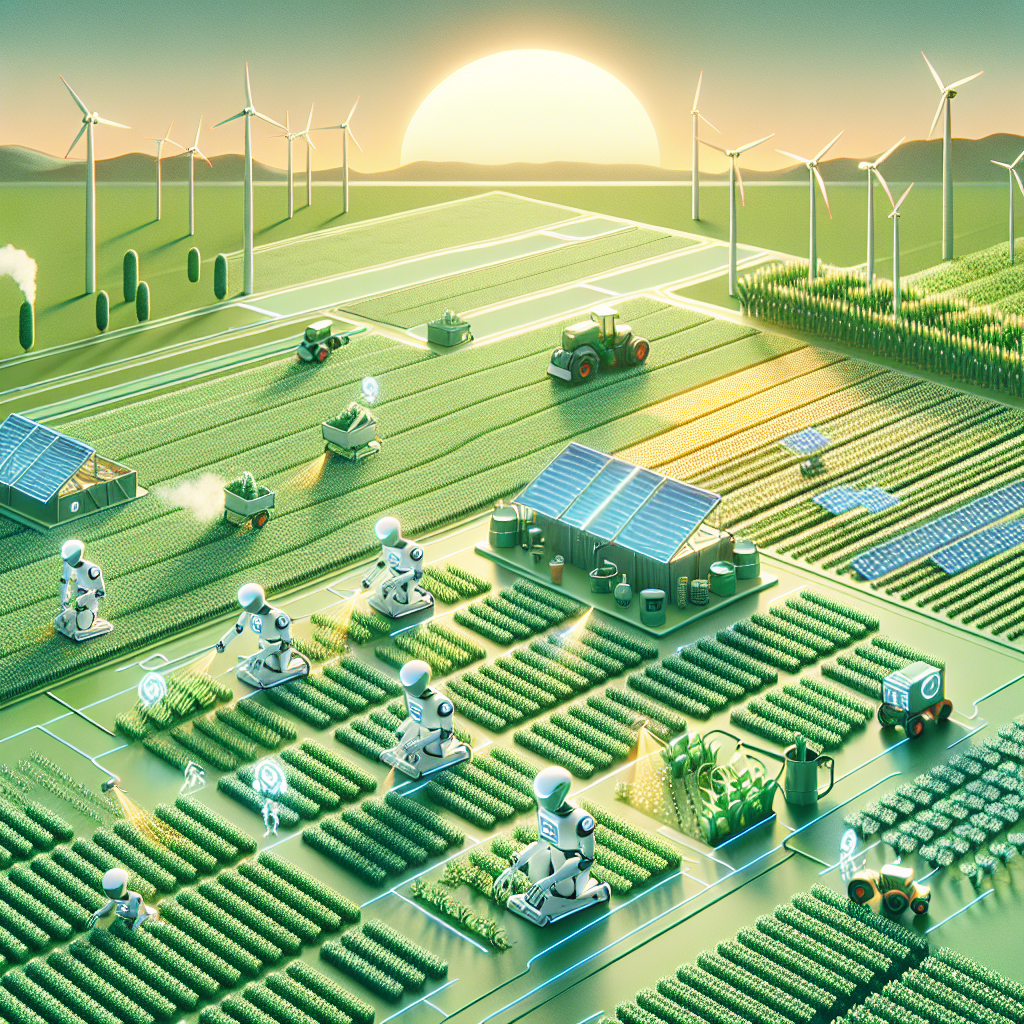
The use of artificial intelligence (AI) software in sustainable agriculture is revolutionizing the way we grow crops, raise livestock, and manage resources. By leveraging the power of AI, farmers and agricultural professionals can optimize their operations, minimize waste, and increase productivity in an environmentally friendly manner.
AI software in agriculture encompasses a wide range of technologies, including machine learning algorithms, computer vision systems, and data analytics tools. These technologies can be used to automate tasks such as monitoring crop health, predicting weather patterns, and managing irrigation systems. By collecting and analyzing data from sensors, drones, and other sources, AI software can provide valuable insights that help farmers make informed decisions and improve their overall efficiency.
One of the key benefits of using AI software in sustainable agriculture is its ability to optimize resource usage. By analyzing data on soil quality, weather conditions, and crop growth patterns, AI systems can help farmers make more efficient use of water, fertilizer, and other inputs. This not only reduces waste and lowers production costs but also minimizes the environmental impact of agriculture by reducing the use of harmful chemicals and preserving natural resources.
Another advantage of AI software in agriculture is its ability to enhance crop monitoring and management. By analyzing images from drones and satellite sensors, AI systems can detect signs of pest infestations, nutrient deficiencies, and other problems early on, allowing farmers to take corrective action before they escalate. This proactive approach can help farmers prevent crop losses and improve yields, ultimately leading to more sustainable and profitable farming practices.
In addition to crop management, AI software can also be used to optimize livestock production. By analyzing data on animal health, feed consumption, and environmental conditions, AI systems can help farmers improve the efficiency of their operations and ensure the well-being of their animals. For example, AI-powered monitoring systems can alert farmers to signs of illness or distress in their livestock, allowing them to provide timely care and prevent outbreaks of disease.
Overall, the use of AI software in sustainable agriculture holds great promise for the future of food production. By harnessing the power of technology to optimize resource usage, enhance crop management, and improve livestock production, farmers can increase their resilience to environmental challenges, boost their productivity, and contribute to a more sustainable food system.
FAQs:
1. How does AI software help farmers optimize resource usage in agriculture?
AI software can analyze data on soil quality, weather conditions, and crop growth patterns to help farmers make more efficient use of water, fertilizer, and other inputs. By providing insights and recommendations based on this data, AI systems can help farmers reduce waste, lower production costs, and minimize the environmental impact of agriculture.
2. How does AI software enhance crop monitoring and management?
AI software can analyze images from drones and satellite sensors to detect signs of pest infestations, nutrient deficiencies, and other problems early on. By alerting farmers to these issues, AI systems can help them take corrective action before they escalate, ultimately improving crop yields and reducing losses.
3. How can AI software optimize livestock production?
AI software can analyze data on animal health, feed consumption, and environmental conditions to help farmers improve the efficiency of their operations and ensure the well-being of their livestock. By providing insights and alerts on animal health and behavior, AI systems can help farmers prevent illness, optimize feed management, and enhance overall livestock production.
4. What are some challenges associated with the use of AI software in sustainable agriculture?
Some challenges associated with the use of AI software in sustainable agriculture include the high cost of implementing and maintaining AI systems, the need for specialized training and expertise to use these technologies effectively, and concerns about data privacy and security. Additionally, there may be resistance to adopting AI technologies among some farmers who are unfamiliar with or skeptical of these tools.
5. How can farmers benefit from using AI software in sustainable agriculture?
Farmers can benefit from using AI software in sustainable agriculture in a variety of ways, including optimizing resource usage, enhancing crop monitoring and management, and improving livestock production. By leveraging the power of AI technology, farmers can increase their efficiency, productivity, and profitability while reducing their environmental impact and contributing to a more sustainable food system.