
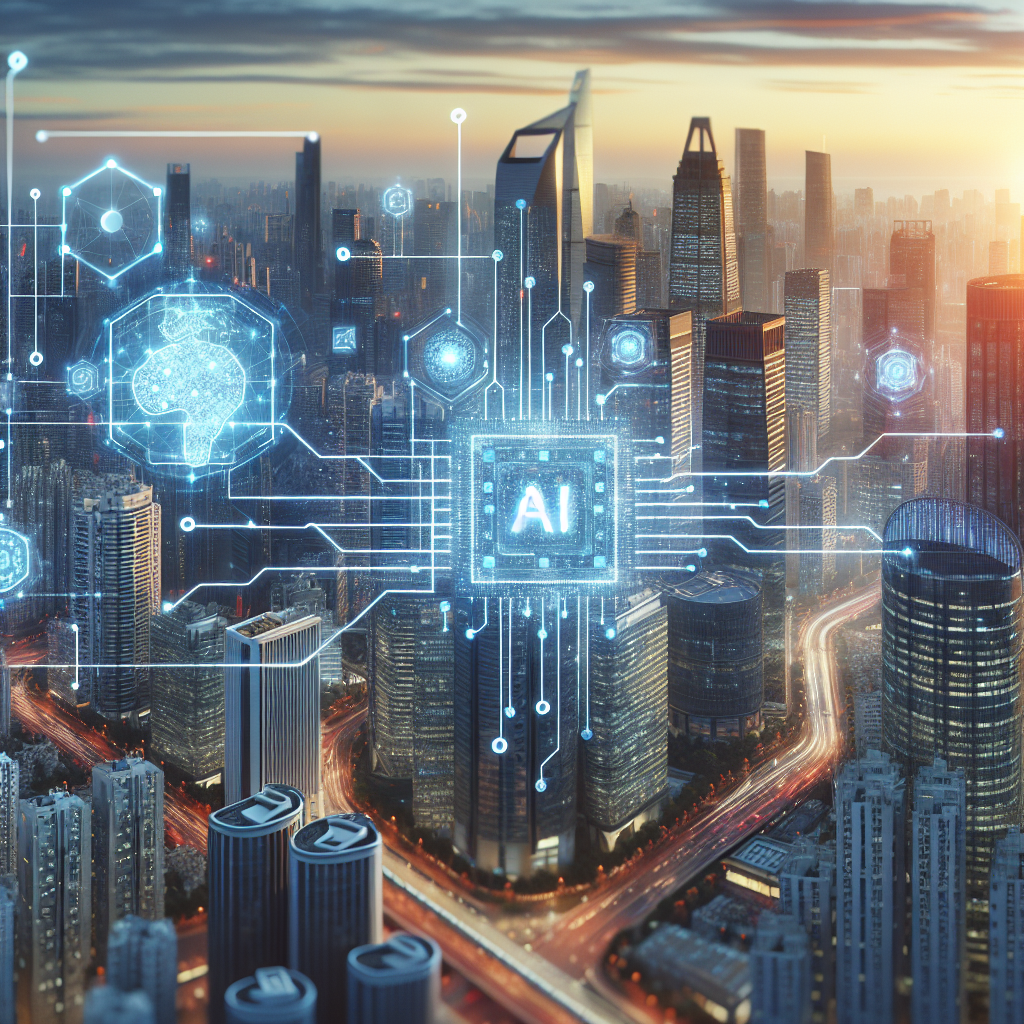
In recent years, artificial intelligence (AI) has been increasingly utilized in various fields, including urban planning. AI software has the potential to revolutionize the way cities are designed, managed, and developed, offering new opportunities to improve efficiency, sustainability, and quality of life for residents. In this article, we will explore the use of AI software in urban planning, its benefits, challenges, and potential future developments.
Benefits of AI Software in Urban Planning
One of the key benefits of using AI software in urban planning is its ability to analyze vast amounts of data quickly and accurately. AI algorithms can process data from various sources, such as sensors, satellite imagery, and social media, to provide valuable insights into urban trends, patterns, and challenges. This data-driven approach enables planners to make informed decisions based on evidence, rather than intuition or guesswork.
AI software can also help optimize urban infrastructure and services, such as transportation, energy, and waste management. By analyzing real-time data, AI algorithms can identify bottlenecks, predict demand, and suggest improvements to enhance efficiency and reduce costs. For example, AI-powered traffic management systems can adjust traffic signals in real-time to reduce congestion and improve traffic flow.
Furthermore, AI software can support the development of sustainable and resilient cities. By analyzing environmental data, such as air quality, noise levels, and green spaces, AI algorithms can help identify areas that require attention and suggest solutions to improve quality of life for residents. For instance, AI-powered energy management systems can optimize energy usage in buildings, leading to reduced carbon emissions and lower energy costs.
Challenges of Using AI Software in Urban Planning
Despite its potential benefits, the use of AI software in urban planning also poses several challenges. One of the main challenges is the lack of transparency and accountability in AI algorithms. As AI systems become more complex and autonomous, it can be difficult to understand how they make decisions and ensure they do not perpetuate biases or discrimination. Planners must therefore carefully consider the ethical implications of using AI software in urban planning and ensure they are used responsibly and transparently.
Another challenge is the potential for AI software to replace human expertise and judgment in decision-making processes. While AI algorithms can provide valuable insights and recommendations, they should not be seen as a substitute for human creativity, intuition, and empathy. Planners should therefore use AI software as a tool to augment their decision-making processes, rather than replace them entirely.
Furthermore, the use of AI software in urban planning raises concerns about data privacy and security. As AI algorithms rely on vast amounts of data to make informed decisions, there is a risk that sensitive information about individuals and communities could be misused or compromised. Planners must therefore ensure that data collection and analysis are conducted in a responsible and ethical manner, with appropriate safeguards in place to protect privacy and security.
Future Developments in AI Software for Urban Planning
Despite the challenges, the future of AI software in urban planning looks promising. As AI technologies continue to advance, we can expect to see new applications and innovations that will further enhance the efficiency, sustainability, and livability of cities. For example, AI-powered simulation tools can help planners visualize and test different scenarios for urban development, allowing them to make more informed decisions about land use, transportation, and infrastructure.
Furthermore, the integration of AI software with other emerging technologies, such as Internet of Things (IoT) and blockchain, holds great potential for transforming urban planning. By connecting AI algorithms with IoT devices and sensors, planners can create smart cities that are more responsive and adaptive to the needs of residents. For instance, AI-powered smart grids can optimize energy distribution and reduce waste, while AI-powered mobility services can improve access to transportation for underserved communities.
FAQs
1. What is AI software in urban planning?
AI software in urban planning refers to the use of artificial intelligence algorithms and technologies to analyze data, optimize infrastructure, and support decision-making processes in cities. AI software can help planners identify trends, patterns, and challenges in urban environments, leading to more informed and efficient planning decisions.
2. How is AI software used in urban planning?
AI software is used in urban planning to analyze vast amounts of data, optimize infrastructure and services, and support the development of sustainable and resilient cities. AI algorithms can process data from various sources, such as sensors, satellite imagery, and social media, to provide valuable insights and recommendations for planners.
3. What are the benefits of using AI software in urban planning?
The benefits of using AI software in urban planning include the ability to analyze data quickly and accurately, optimize infrastructure and services, and support sustainable and resilient city development. AI software can help planners make informed decisions based on evidence, improve efficiency and reduce costs, and enhance quality of life for residents.
4. What are the challenges of using AI software in urban planning?
The challenges of using AI software in urban planning include the lack of transparency and accountability in AI algorithms, the potential for AI to replace human expertise and judgment, and concerns about data privacy and security. Planners must carefully consider the ethical implications of using AI software and ensure that data collection and analysis are conducted responsibly and ethically.
5. What are the future developments in AI software for urban planning?
Future developments in AI software for urban planning include the integration of AI with other emerging technologies, such as IoT and blockchain, the development of AI-powered simulation tools for urban development, and the creation of smart cities that are more responsive and adaptive to the needs of residents. These innovations hold great potential for transforming urban planning and creating more efficient, sustainable, and livable cities.