
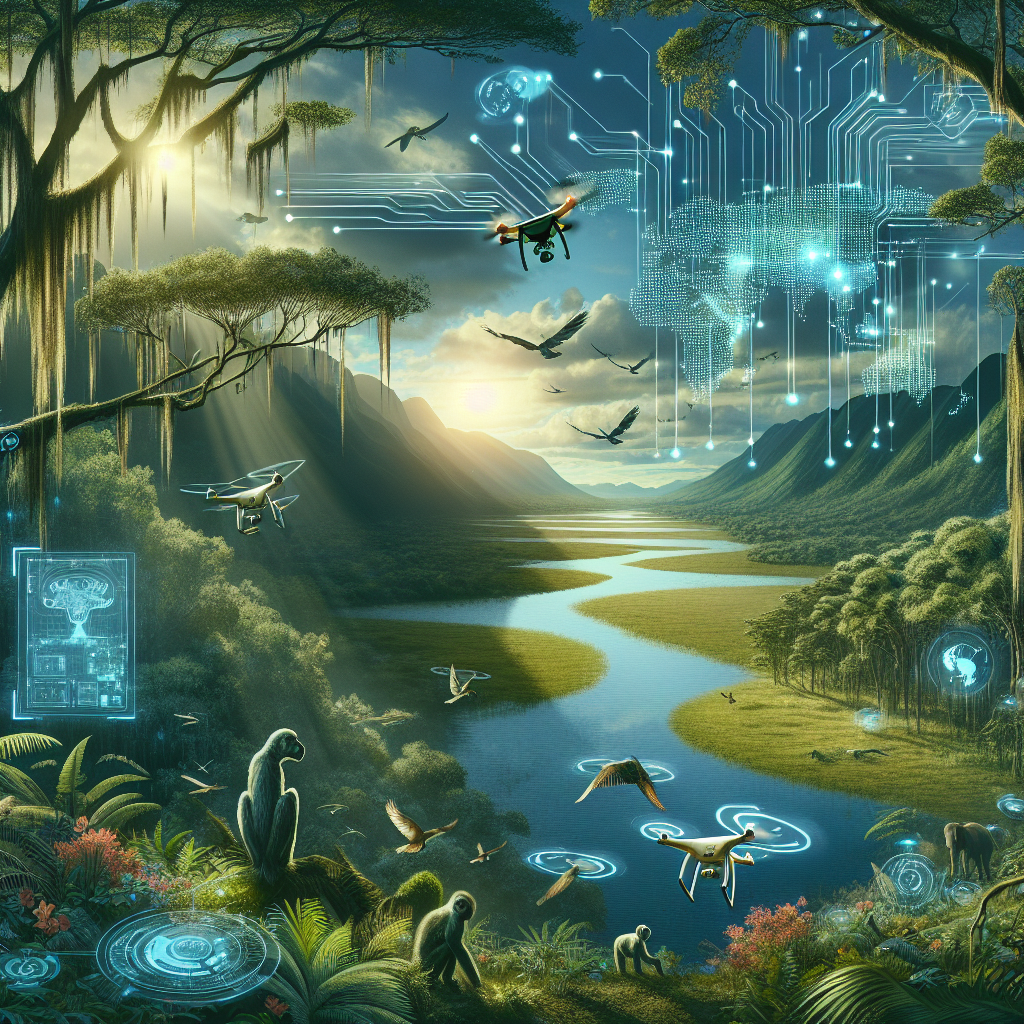
The use of artificial intelligence (AI) tools in wildlife conservation is revolutionizing the way we protect and preserve endangered species and their habitats. By harnessing the power of AI, researchers and conservationists are able to collect and analyze vast amounts of data, monitor wildlife populations, track animal movements, and even predict future trends in biodiversity loss. In this article, we will explore the various ways in which AI tools are being used in wildlife conservation, as well as the benefits and challenges of incorporating these technologies into conservation efforts.
One of the key applications of AI in wildlife conservation is in the field of monitoring and tracking animal populations. Traditional methods of tracking wildlife, such as radio collaring and camera traps, can be time-consuming and labor-intensive. AI tools, on the other hand, are able to process large amounts of data from satellite imagery, drones, and other sources to track the movements of animals in real-time. This information can then be used to monitor population trends, identify threats to species, and inform conservation strategies.
For example, researchers at the University of Oxford have developed a system called Wildbook, which uses AI algorithms to identify individual animals based on their unique markings and patterns. By analyzing thousands of images collected from camera traps and other sources, Wildbook is able to track the movements of individual animals, monitor population sizes, and identify potential threats to wildlife populations. This information can then be used to inform conservation efforts and prioritize areas for protection.
Another application of AI in wildlife conservation is in the field of predictive modeling. By analyzing historical data on wildlife populations, habitat loss, and climate change, researchers can use AI algorithms to predict future trends in biodiversity loss and identify areas at high risk of species extinction. This information can then be used to develop conservation strategies that target the most vulnerable species and habitats.
For example, researchers at the University of California, Berkeley have developed a model called MaxEnt, which uses AI algorithms to predict the distribution of species based on environmental factors such as temperature, precipitation, and land cover. By analyzing data on the historical distribution of species and projecting future changes in climate and habitat loss, MaxEnt is able to identify areas at high risk of species extinction and prioritize conservation efforts in those areas.
In addition to monitoring and predictive modeling, AI tools are also being used in the field of conservation genetics. By analyzing genetic data from wildlife populations, researchers can use AI algorithms to identify patterns of genetic diversity, track the spread of diseases, and assess the viability of small populations. This information can then be used to inform breeding programs, reintroduction efforts, and other conservation strategies aimed at preserving genetic diversity and preventing inbreeding.
For example, researchers at the Smithsonian Conservation Biology Institute have developed a system called SPIDER, which uses AI algorithms to analyze genetic data from endangered species and assess their genetic diversity. By comparing the genetic profiles of individuals within a population, SPIDER is able to identify patterns of inbreeding, track the spread of diseases, and assess the overall health of a population. This information can then be used to inform breeding programs and other conservation efforts aimed at preserving genetic diversity and preventing the loss of species.
Despite the many benefits of using AI tools in wildlife conservation, there are also some challenges and limitations to consider. One of the main challenges is the availability of data. In order for AI algorithms to be effective, they require large amounts of high-quality data on wildlife populations, habitat loss, and other factors. This data can be difficult to collect and analyze, especially in remote or inaccessible areas. In addition, there may be limitations to the accuracy of AI algorithms, especially when it comes to identifying individual animals or predicting future trends in biodiversity loss.
Another challenge is the ethical implications of using AI in wildlife conservation. Some researchers and conservationists have raised concerns about the potential for AI tools to infringe on the privacy of animals, disrupt natural behaviors, or lead to unintended consequences. For example, there have been cases where AI algorithms have misidentified animals or made errors in tracking their movements, leading to inaccurate data and potentially harmful outcomes for wildlife populations. It is important for researchers and conservationists to carefully consider the ethical implications of using AI tools in wildlife conservation and to prioritize the well-being of animals and their habitats.
Despite these challenges, the use of AI tools in wildlife conservation holds great promise for the future of conservation efforts. By harnessing the power of AI, researchers and conservationists are able to collect and analyze vast amounts of data, monitor wildlife populations, track animal movements, and predict future trends in biodiversity loss. This information can then be used to inform conservation strategies, prioritize areas for protection, and preserve endangered species and their habitats for future generations.
In conclusion, the use of AI tools in wildlife conservation is revolutionizing the way we protect and preserve endangered species and their habitats. By harnessing the power of AI, researchers and conservationists are able to collect and analyze vast amounts of data, monitor wildlife populations, track animal movements, and predict future trends in biodiversity loss. Despite some challenges and limitations, the use of AI in wildlife conservation holds great promise for the future of conservation efforts and the preservation of biodiversity around the world.
FAQs:
Q: How do AI tools help in monitoring wildlife populations?
A: AI tools help in monitoring wildlife populations by analyzing data from satellite imagery, drones, and other sources to track the movements of animals in real-time. This information can then be used to monitor population trends, identify threats to species, and inform conservation strategies.
Q: What is predictive modeling in wildlife conservation?
A: Predictive modeling in wildlife conservation involves using AI algorithms to analyze historical data on wildlife populations, habitat loss, and climate change to predict future trends in biodiversity loss and identify areas at high risk of species extinction. This information can then be used to develop conservation strategies that target the most vulnerable species and habitats.
Q: What are some ethical concerns related to using AI tools in wildlife conservation?
A: Some ethical concerns related to using AI tools in wildlife conservation include the potential for infringing on the privacy of animals, disrupting natural behaviors, and leading to unintended consequences. It is important for researchers and conservationists to carefully consider the ethical implications of using AI tools in wildlife conservation and prioritize the well-being of animals and their habitats.