
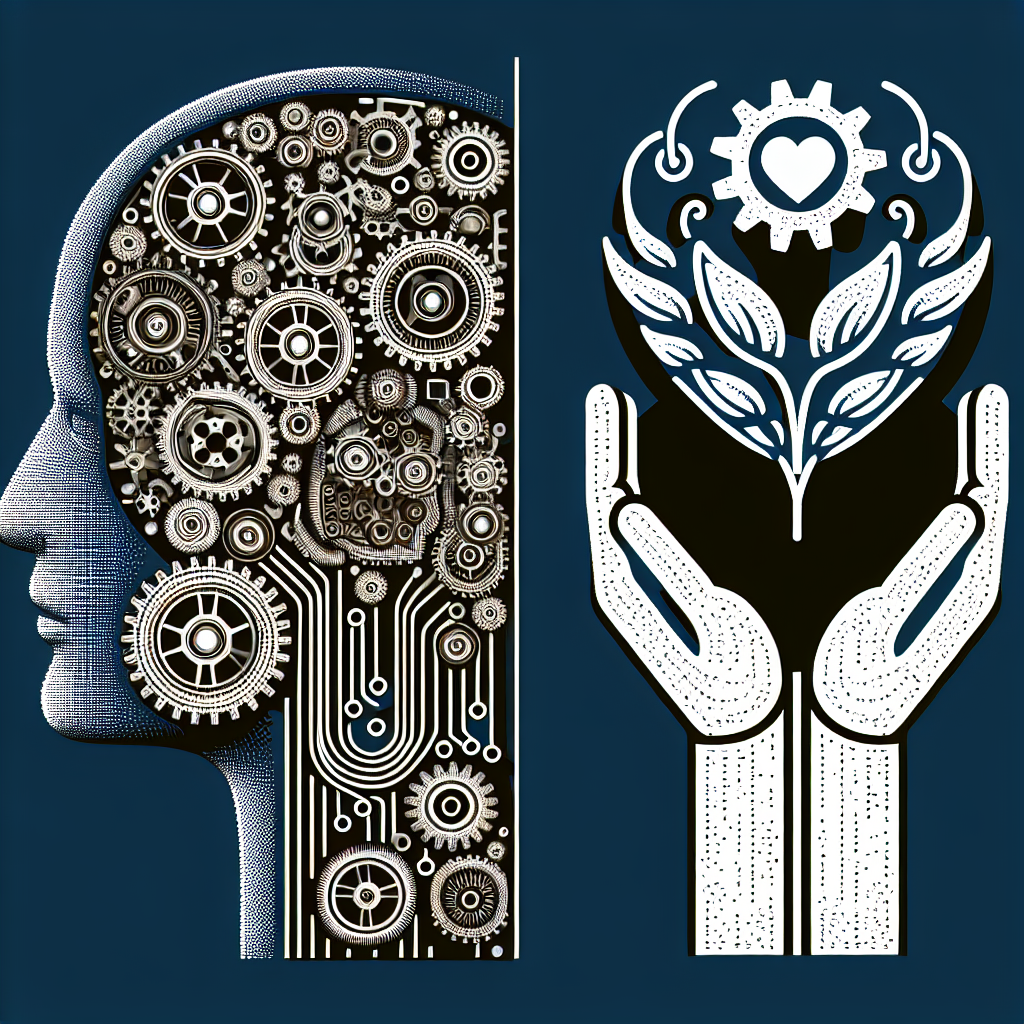
Harnessing AI for Effective Nonprofit Management
In recent years, artificial intelligence (AI) has become an increasingly important tool for organizations across various sectors. Nonprofit organizations, in particular, can benefit greatly from incorporating AI into their operations to improve efficiency, make data-driven decisions, and better serve their communities. In this article, we will explore how nonprofits can harness the power of AI for effective management, as well as address common questions and concerns surrounding the use of AI in the nonprofit sector.
1. Improving Efficiency with AI
One of the key benefits of AI for nonprofits is its ability to automate routine tasks and streamline processes. By leveraging AI-powered tools, nonprofits can free up staff time to focus on more strategic initiatives and mission-critical work. For example, AI can automate data entry, analyze large datasets to identify trends and patterns, and even assist with donor outreach and engagement.
Additionally, AI can help nonprofits make more informed decisions by providing real-time insights and predictive analytics. For instance, AI-powered fundraising platforms can analyze donor behavior to predict future giving patterns, identify potential major donors, and personalize fundraising campaigns to maximize impact. This can help nonprofits optimize their fundraising efforts and achieve better outcomes.
2. Enhancing Program Effectiveness
AI can also be used to enhance the effectiveness of nonprofit programs and services. By analyzing data on program outcomes, AI can help nonprofits identify areas for improvement, measure impact, and make data-driven decisions to optimize program delivery. For instance, AI-powered tools can track program performance metrics, monitor participant progress, and provide insights on how to better meet the needs of beneficiaries.
Moreover, AI can help nonprofits personalize their services to better serve diverse communities. By analyzing demographic data and user preferences, AI can tailor program offerings to meet the specific needs of different groups and individuals. This can lead to more personalized and effective interventions that drive positive social change.
3. Strengthening Donor Relationships
Another way nonprofits can leverage AI is to strengthen donor relationships and improve fundraising effectiveness. AI-powered tools can analyze donor data to segment donors based on giving patterns, preferences, and engagement levels. This can help nonprofits tailor their outreach strategies to different donor segments, personalize communications, and cultivate relationships with key supporters.
In addition, AI can help nonprofits identify potential major donors and develop targeted cultivation strategies to engage them effectively. By analyzing donor behavior and wealth indicators, AI can pinpoint individuals with the capacity and inclination to make significant contributions, allowing nonprofits to focus their efforts on high-value prospects and maximize fundraising revenue.
4. Addressing Common Concerns
While AI offers numerous benefits for nonprofits, there are also common concerns and challenges associated with its adoption. Some nonprofits may be hesitant to invest in AI due to perceived costs, technical complexity, or data privacy concerns. However, there are ways to address these challenges and ensure successful implementation of AI in nonprofit management:
– Start small and scale: Nonprofits can begin by implementing AI in specific areas where it can provide the most value, such as fundraising, program evaluation, or donor management. By starting small and demonstrating the impact of AI in a targeted way, nonprofits can build momentum and secure buy-in for broader AI initiatives.
– Collaborate with partners: Nonprofits can leverage partnerships with AI providers, consultants, and technology experts to access the expertise and resources needed to implement AI effectively. By collaborating with external partners, nonprofits can navigate technical challenges, mitigate risks, and accelerate the adoption of AI in their organizations.
– Prioritize data privacy and ethics: Nonprofits must prioritize data privacy and ethical considerations when using AI to ensure the responsible and transparent use of data. By implementing robust data governance policies, obtaining informed consent from stakeholders, and complying with data protection regulations, nonprofits can build trust with donors, beneficiaries, and other stakeholders.
5. FAQs
Q: How can AI help nonprofits improve fundraising effectiveness?
A: AI can help nonprofits improve fundraising effectiveness by analyzing donor data, predicting giving patterns, and personalizing fundraising campaigns. AI-powered tools can segment donors, identify major donors, and optimize fundraising strategies to maximize revenue.
Q: What are some examples of AI applications in nonprofit management?
A: Some examples of AI applications in nonprofit management include fundraising platforms that use predictive analytics to identify potential major donors, program evaluation tools that analyze outcomes data to measure impact, and donor management systems that personalize donor communications based on engagement levels.
Q: What are the key considerations for nonprofits when adopting AI?
A: Key considerations for nonprofits when adopting AI include starting small and scaling gradually, collaborating with partners to access expertise and resources, and prioritizing data privacy and ethics to ensure responsible use of AI.
In conclusion, AI holds great promise for nonprofits seeking to enhance their management practices, improve program effectiveness, and strengthen donor relationships. By harnessing the power of AI, nonprofits can unlock new opportunities for innovation, efficiency, and impact, ultimately advancing their missions and driving positive social change.