
Introduction
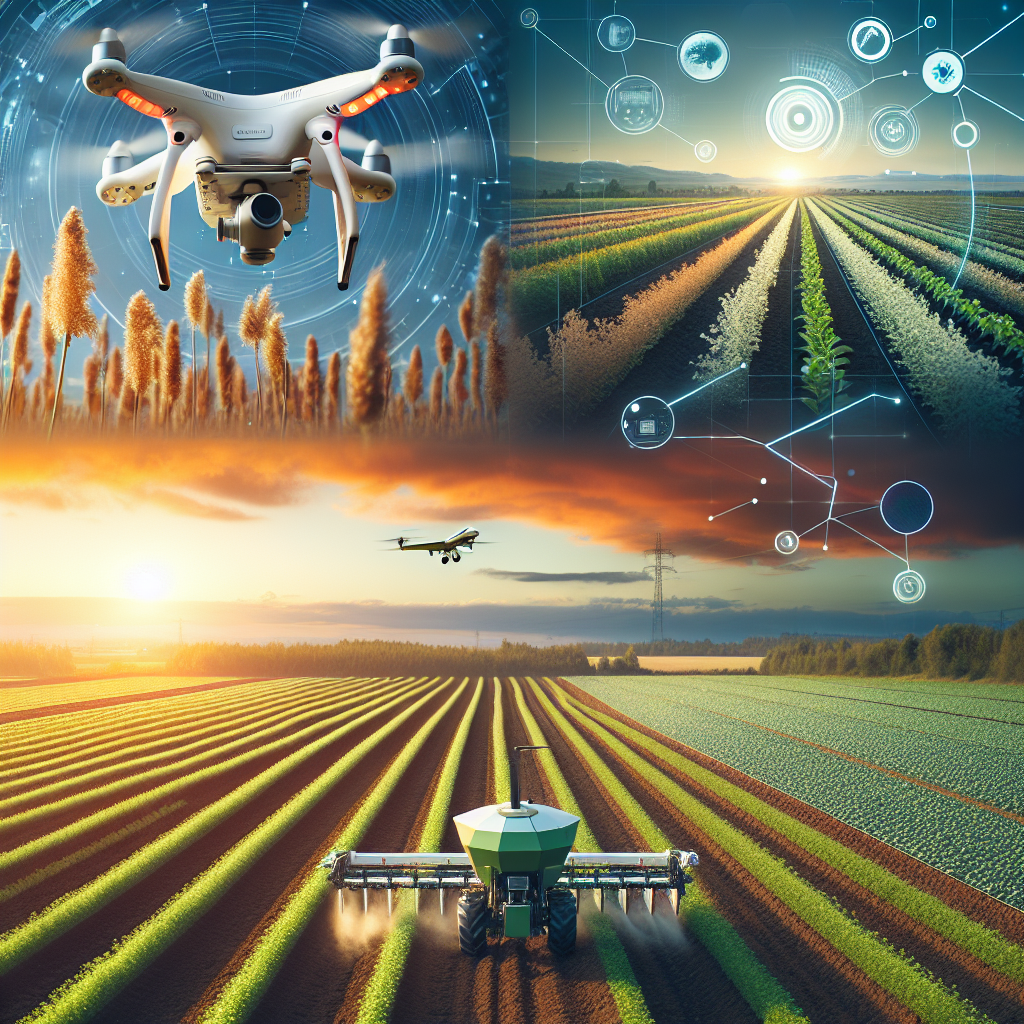
In recent years, artificial intelligence (AI) has been making significant strides in various industries, including agriculture. AI automation is revolutionizing the way farmers and agricultural businesses operate, leading to increased efficiency, productivity, and sustainability. By harnessing the power of AI, farmers are able to make more informed decisions, optimize resource usage, and ultimately improve crop yields.
How AI Automation is Improving Agriculture
1. Precision Farming
One of the key areas where AI automation is revolutionizing agriculture is in precision farming. Through the use of AI-powered sensors, drones, and other technologies, farmers are able to collect real-time data on soil conditions, weather patterns, crop health, and more. This data is then analyzed by AI algorithms to provide farmers with insights and recommendations on how to optimize their farming practices.
For example, AI can help farmers determine the optimal planting time, calculate the right amount of water and fertilizer to use, and even identify areas of a field that need special attention. By leveraging AI automation, farmers are able to reduce waste, improve crop quality, and increase overall productivity.
2. Crop Monitoring and Management
AI automation is also being used to monitor and manage crops more effectively. Through the use of AI-powered cameras and sensors, farmers can track the growth of their crops, detect diseases and pests early on, and make informed decisions on how to address issues in real-time.
For example, AI algorithms can analyze images of crops to identify signs of disease or stress, allowing farmers to take action before the problem spreads. Similarly, AI can help farmers monitor soil moisture levels and adjust irrigation schedules accordingly, leading to better water usage and healthier crops.
3. Predictive Analytics
Another key benefit of AI automation in agriculture is its ability to predict future outcomes based on historical data and current conditions. By analyzing vast amounts of data, AI algorithms can forecast crop yields, predict market trends, and even anticipate potential risks such as extreme weather events or pest outbreaks.
This predictive capability allows farmers to make more informed decisions and plan ahead, ultimately reducing uncertainty and maximizing profitability. For example, AI can help farmers determine the best time to harvest crops based on predicted weather patterns, or adjust planting schedules to optimize yields based on market demand.
4. Autonomous Machinery
AI automation is also enabling the development of autonomous machinery for agriculture. Self-driving tractors, drones, and other equipment are being equipped with AI algorithms that allow them to operate independently, performing tasks such as planting, spraying, and harvesting with precision and efficiency.
Autonomous machinery not only reduces the need for manual labor, but also enables farmers to work faster and more accurately. By leveraging AI automation, farmers can cover more ground in less time, leading to increased productivity and cost savings.
5. Supply Chain Optimization
AI automation is also playing a crucial role in optimizing the agricultural supply chain. By analyzing data on factors such as transportation routes, storage conditions, and market demand, AI algorithms can help farmers and suppliers streamline their operations and reduce waste.
For example, AI can optimize delivery routes to minimize transportation costs and reduce carbon emissions, or predict demand fluctuations to ensure that perishable goods are delivered on time. By improving efficiency and transparency in the supply chain, AI automation is helping to create a more sustainable and resilient agricultural industry.
Frequently Asked Questions (FAQs)
Q: How is AI automation different from traditional farming methods?
A: AI automation leverages advanced technologies such as sensors, drones, and AI algorithms to collect and analyze data in real-time, enabling farmers to make more informed decisions and optimize their farming practices. This is in contrast to traditional farming methods, which rely on manual labor and experience to manage crops and resources.
Q: Is AI automation only beneficial for large-scale farms?
A: While AI automation can provide significant benefits to large-scale farms, it is also valuable for small and medium-sized farms. By enabling farmers to optimize their resources and make better decisions, AI automation can help farms of all sizes increase efficiency, productivity, and sustainability.
Q: What are some challenges associated with implementing AI automation in agriculture?
A: Some of the challenges of implementing AI automation in agriculture include the initial cost of investment in technology, the need for specialized skills and training, and concerns over data privacy and security. However, as the technology continues to advance and become more accessible, these challenges are gradually being addressed.
Q: How can farmers get started with AI automation?
A: Farmers interested in implementing AI automation in their operations can start by researching available technologies and solutions, reaching out to vendors and experts for guidance, and gradually integrating AI-powered tools and systems into their farming practices. By starting small and experimenting with different technologies, farmers can gradually realize the benefits of AI automation in agriculture.
Conclusion
AI automation is transforming the agriculture industry by enabling farmers to make more informed decisions, optimize their resources, and improve crop yields. From precision farming and crop monitoring to predictive analytics and autonomous machinery, AI is revolutionizing the way agriculture is practiced. By harnessing the power of AI, farmers are able to increase efficiency, productivity, and sustainability, leading to a more resilient and prosperous agricultural industry.