
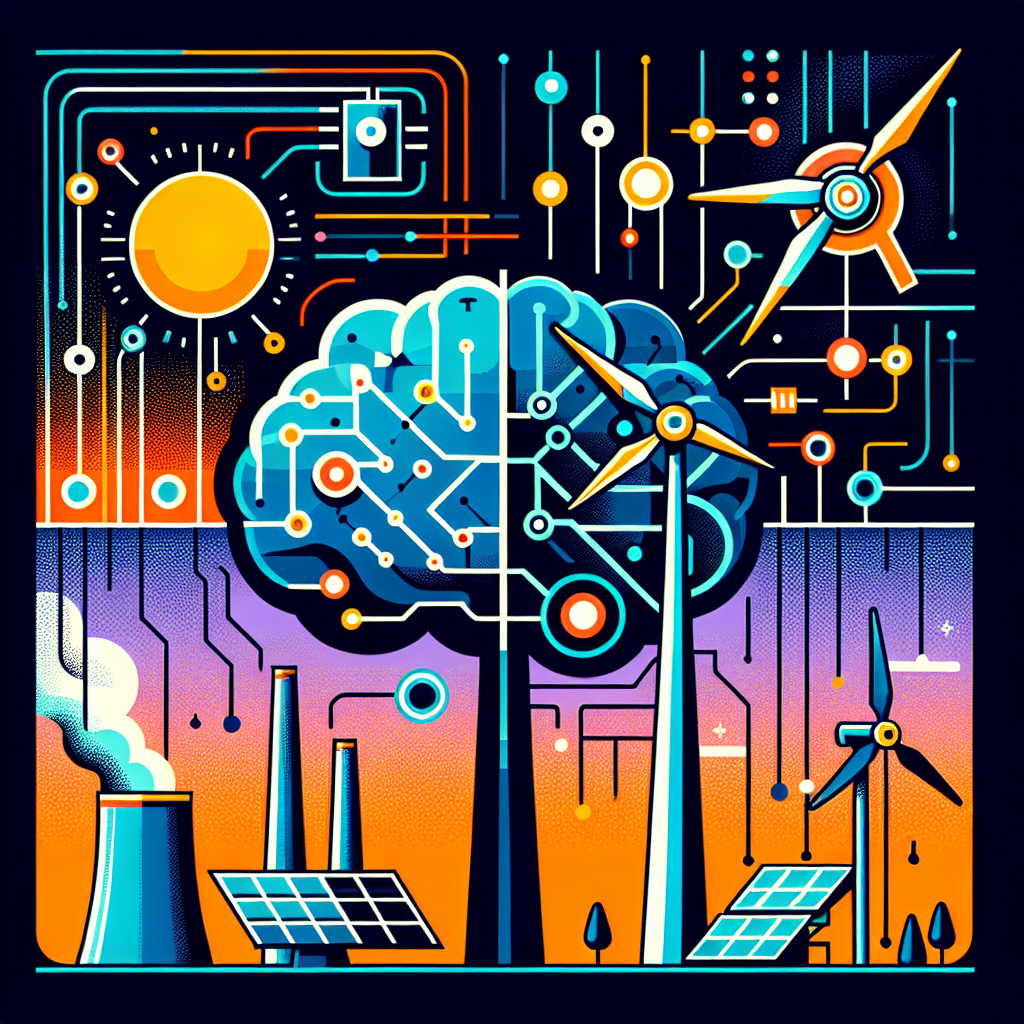
The energy sector is undergoing a significant transformation as a result of advancements in artificial intelligence (AI) technology. AI integration is revolutionizing the way energy is produced, distributed, and consumed, leading to increased efficiency, lower costs, and reduced environmental impact. From predictive maintenance of equipment to optimizing energy usage in buildings, AI is playing a crucial role in shaping the future of the energy industry.
One of the key areas where AI is making a significant impact is in the optimization of energy production. AI algorithms are being used to analyze vast amounts of data from sensors and other sources to predict equipment failures and optimize maintenance schedules. By identifying potential issues before they occur, AI can help prevent costly downtime and extend the lifespan of equipment. This predictive maintenance approach is being adopted by many energy companies to improve the reliability and efficiency of their operations.
AI is also being used to optimize energy distribution networks. By analyzing data on energy consumption patterns, weather conditions, and other factors, AI algorithms can help utilities better manage their grids and reduce energy losses. This can lead to a more reliable and resilient energy infrastructure, as well as lower costs for consumers.
In addition to production and distribution, AI is also transforming the way energy is consumed. Smart home devices, such as thermostats, lighting systems, and appliances, are increasingly being equipped with AI capabilities to optimize energy usage based on user preferences and real-time data. This can lead to significant energy savings for consumers, as well as a more sustainable and environmentally friendly lifestyle.
Furthermore, AI is being used to optimize energy efficiency in commercial and industrial buildings. By analyzing data on building energy usage, occupancy patterns, and other factors, AI algorithms can help identify areas where energy savings can be achieved. This can lead to lower energy bills for building owners, as well as a reduced carbon footprint.
Overall, AI integration is revolutionizing the energy sector by improving efficiency, reliability, and sustainability. As the technology continues to advance, we can expect to see even more innovative solutions that will further transform the industry.
FAQs:
Q: How is AI being used in the energy sector?
A: AI is being used in the energy sector to optimize energy production, distribution, and consumption. It is being used for predictive maintenance of equipment, optimization of energy grids, and energy usage in buildings.
Q: What are the benefits of AI integration in the energy sector?
A: The benefits of AI integration in the energy sector include increased efficiency, lower costs, reduced downtime, improved reliability, and sustainability.
Q: How is AI helping to reduce energy consumption?
A: AI is helping to reduce energy consumption by optimizing energy usage in buildings, analyzing data on energy consumption patterns, and identifying areas where energy savings can be achieved.
Q: What are some examples of AI applications in the energy sector?
A: Some examples of AI applications in the energy sector include predictive maintenance of equipment, optimization of energy grids, and smart home devices that optimize energy usage.
Q: What are the challenges of integrating AI in the energy sector?
A: Some of the challenges of integrating AI in the energy sector include data privacy concerns, cybersecurity risks, and the need for skilled personnel to implement and maintain AI systems.