
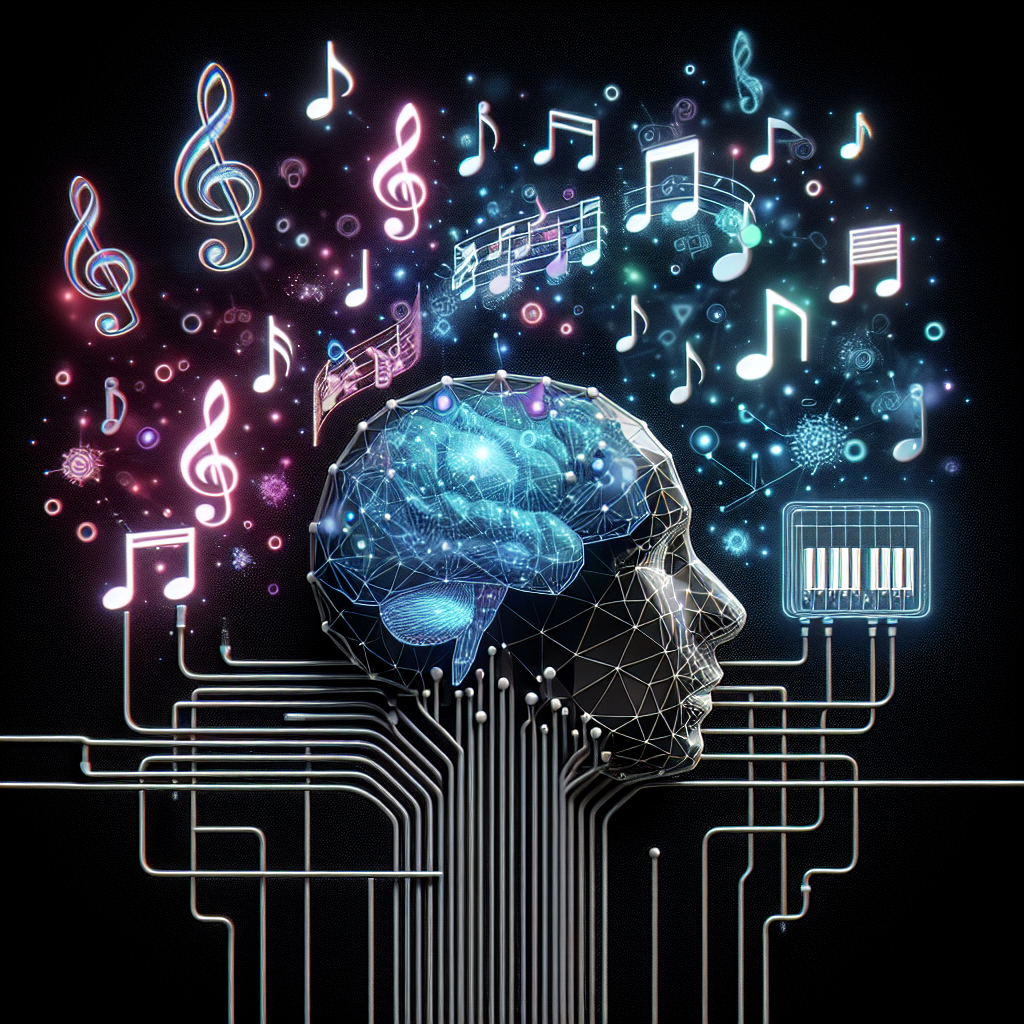
In recent years, artificial intelligence (AI) has revolutionized the way we discover music. From personalized recommendations to creating new sounds, AI technology is changing the music industry in profound ways. In this article, we will explore how AI is transforming the way we discover music and the impact it is having on both artists and listeners.
Personalized Recommendations
One of the most significant ways AI is changing the music discovery process is through personalized recommendations. Streaming services like Spotify and Apple Music use AI algorithms to analyze users’ listening habits and preferences to suggest new music that they may enjoy. These algorithms take into account factors such as listening history, genre preferences, and even the time of day to create personalized playlists for each user.
This level of personalization has made it easier than ever for listeners to discover new music that aligns with their tastes. By leveraging AI technology, streaming services can offer a more tailored listening experience, helping users find new artists and songs that they may not have come across otherwise.
Creating New Sounds
AI is also being used to create entirely new sounds and music compositions. Artists and producers are using AI tools to experiment with different musical styles, genres, and sounds, pushing the boundaries of what is possible in music production.
One example of AI-generated music is the work of Amper Music, a platform that uses AI algorithms to compose and produce music for various projects. Amper Music can create custom tracks based on input from the user, such as mood, tempo, and instrumentation, providing a quick and easy way to generate original music.
Similarly, AI-powered tools like Magenta, developed by Google, are being used by musicians and producers to explore new possibilities in music creation. Magenta uses machine learning algorithms to generate melodies, harmonies, and rhythms, allowing artists to experiment with different musical ideas and push the boundaries of their creativity.
Impact on Artists
For artists, AI technology represents both opportunities and challenges. On one hand, AI can help artists reach a broader audience and connect with fans in new ways. By leveraging AI-powered platforms and tools, artists can promote their music, reach new listeners, and even collaborate with other artists from around the world.
However, AI also presents challenges for artists, particularly in terms of copyright and ownership. As AI tools become more sophisticated, there is a concern that AI-generated music may blur the lines between original compositions and derivative works. This raises questions about intellectual property rights and ownership, as well as the role of AI in the creative process.
Despite these challenges, many artists are embracing AI technology as a tool to enhance their creativity and explore new possibilities in music production. By collaborating with AI-powered platforms and experimenting with new tools, artists can push the boundaries of their craft and create innovative music that resonates with audiences.
Impact on Listeners
For listeners, AI technology has transformed the music discovery process, making it easier to find new music that aligns with their tastes and preferences. By leveraging AI algorithms, streaming services can offer personalized recommendations, curated playlists, and tailored listening experiences that cater to the individual preferences of each user.
AI technology has also made it easier for listeners to explore new genres, artists, and sounds that they may not have come across otherwise. By leveraging AI-powered platforms, listeners can discover new music from around the world, connect with artists, and engage with a diverse range of musical styles and genres.
Furthermore, AI technology has enabled listeners to interact with music in new ways, such as through voice commands, chatbots, and virtual assistants. Platforms like Amazon Alexa and Google Assistant allow users to request songs, create playlists, and discover new music simply by using their voice, making it easier than ever to engage with music on a daily basis.
FAQs
Q: How does AI technology recommend music to users?
A: AI algorithms analyze users’ listening habits, preferences, and behavior to suggest new music that aligns with their tastes. By taking into account factors such as listening history, genre preferences, and the time of day, AI technology can create personalized playlists and recommendations for each user.
Q: Can AI technology create original music compositions?
A: Yes, AI-powered tools like Amper Music and Magenta can generate original music compositions based on input from the user. These tools use machine learning algorithms to create melodies, harmonies, and rhythms, allowing artists to experiment with different musical ideas and styles.
Q: How is AI technology impacting the music industry?
A: AI technology is transforming the music industry by changing the way we discover, create, and engage with music. From personalized recommendations to creating new sounds, AI is revolutionizing the music discovery process and offering new opportunities for artists and listeners alike.
In conclusion, AI technology is changing the way we discover music in profound ways. From personalized recommendations to creating new sounds, AI is revolutionizing the music industry and offering new opportunities for artists and listeners alike. By leveraging AI-powered platforms and tools, artists can push the boundaries of their creativity and explore new possibilities in music production. And for listeners, AI technology has made it easier than ever to find new music that aligns with their tastes and preferences, creating a more tailored listening experience. As AI technology continues to evolve, the future of music discovery looks brighter than ever.