
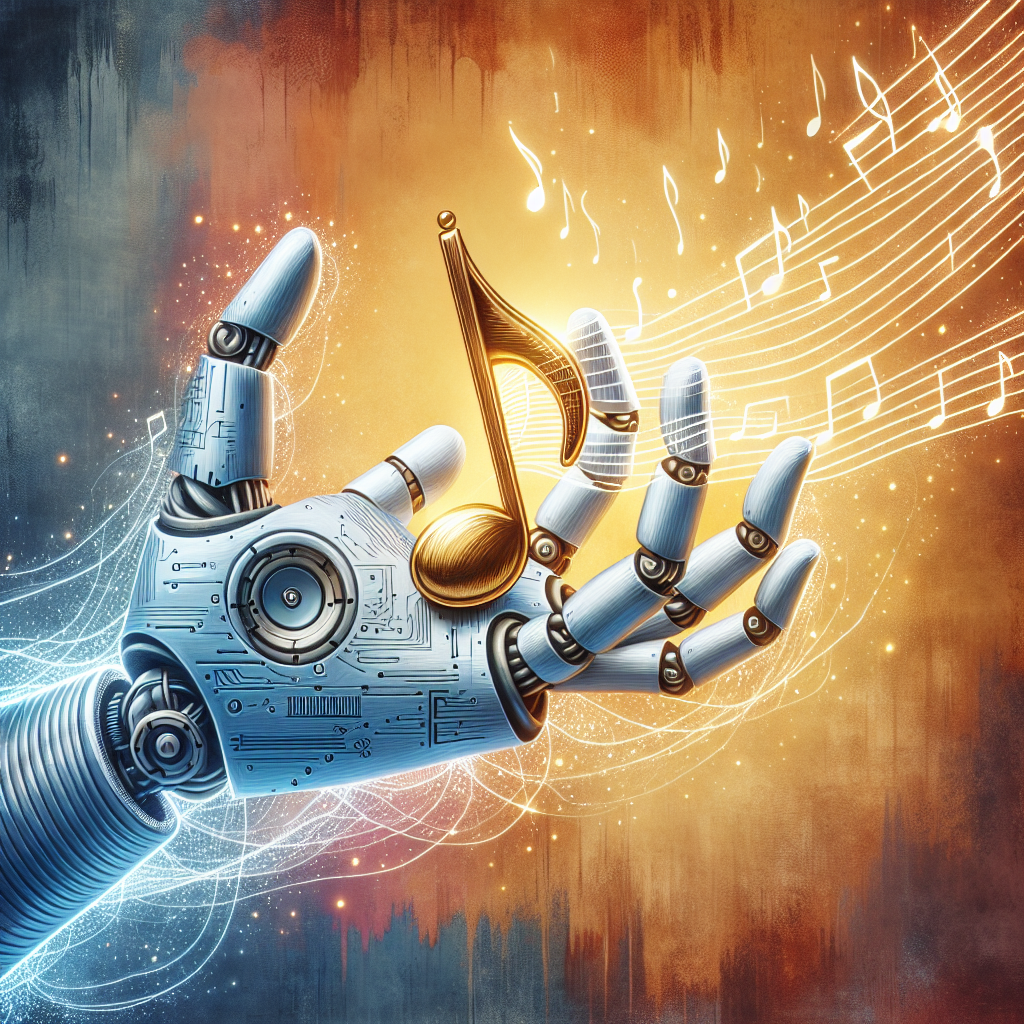
Music has always been a reflection of human emotions, thoughts, and experiences. It has the power to evoke strong feelings, connect people, and tell stories in a way that words alone cannot. Throughout history, musicians have strived for authenticity in their music, seeking to express their unique voice and connect with their audience on a deeper level.
However, with the advent of artificial intelligence (AI) technology, the concept of musical authenticity is being redefined. AI is revolutionizing the music industry in ways that were previously unimaginable, from creating original compositions to enhancing the listening experience for music enthusiasts. This technological advancement raises questions about what it means to create authentic music and challenges traditional notions of artistic expression.
AI-generated music has the potential to blur the lines between human and machine creativity, leading to a new era of musical innovation. As AI continues to evolve and become more sophisticated, it is reshaping the way we think about music and creativity. In this article, we will explore how AI is redefining the concept of musical authenticity and the implications it has for artists, listeners, and the music industry as a whole.
AI and Music Creation
One of the most significant ways in which AI is redefining musical authenticity is through its ability to generate original compositions. AI algorithms can analyze vast amounts of musical data, learn patterns and trends, and create new music that is indistinguishable from human-created compositions. This has opened up a world of possibilities for musicians and composers, allowing them to explore new genres, styles, and sounds that were previously inaccessible.
For example, AI-powered software such as Amper Music and AIVA can compose original music in a matter of minutes, providing artists with a wealth of creative options. These tools can generate melodies, harmonies, and rhythms, allowing musicians to focus on other aspects of music production such as lyrics, arrangement, and performance. This has the potential to revolutionize the creative process, enabling artists to experiment with new ideas and push the boundaries of what is possible in music.
AI-generated music is also being used in a variety of other applications, such as film scoring, video game soundtracks, and advertising jingles. The ability of AI to quickly and efficiently create high-quality music tailored to specific needs has made it an invaluable tool for industries that rely on music to enhance their products and services. This has raised questions about the role of human composers and musicians in these industries, as AI continues to demonstrate its capabilities in creating music that resonates with audiences.
Challenging Traditional Notions of Authenticity
The rise of AI-generated music has sparked a debate about what it means to create authentic music. Traditionally, authenticity in music has been associated with the human experience, emotions, and creativity. Musicians are expected to pour their heart and soul into their music, drawing from their personal experiences and perspectives to create a genuine connection with their audience.
With AI-generated music, the question of authenticity becomes more complex. Can music created by a machine be considered authentic? Does the lack of human emotion and intentionality in AI-generated music diminish its value and impact? These are questions that artists, listeners, and industry professionals are grappling with as AI continues to reshape the music landscape.
Some argue that AI-generated music lacks the emotional depth and nuance that human-created music possesses. While AI can replicate musical patterns and styles, it cannot replicate the raw emotion and vulnerability that often define authentic music. Human musicians bring their unique experiences, struggles, and triumphs to their music, creating a sense of connection and empathy with their audience that AI-generated music may struggle to achieve.
On the other hand, proponents of AI-generated music argue that creativity and authenticity are not exclusive to human beings. AI algorithms can analyze and interpret vast amounts of data, enabling them to create music that is innovative, compelling, and resonant. AI-generated music has the potential to break down barriers and push the boundaries of musical expression, opening up new possibilities for artists and listeners alike.
Ultimately, the concept of musical authenticity is evolving in the age of AI. As technology continues to advance and AI becomes more integrated into the music industry, the definition of what constitutes authentic music will continue to be redefined. Artists, listeners, and industry professionals will need to adapt to these changes and explore the implications of AI-generated music on creativity, expression, and artistic integrity.
Implications for Artists and the Music Industry
The rise of AI-generated music has significant implications for artists and the music industry as a whole. As AI technology continues to evolve and become more widespread, artists will need to adapt to new ways of creating and distributing music. AI tools can streamline the music production process, allowing artists to focus on creativity and innovation rather than technical details.
AI-generated music also has the potential to democratize the music industry, making it more accessible to aspiring musicians and independent artists. With AI tools such as LANDR and Amuse, artists can produce and distribute their music independently, reaching a global audience without the need for a record label or expensive production equipment. This has the potential to revolutionize the music industry, giving artists more control over their music and connecting them directly with their fans.
However, the rise of AI-generated music also raises concerns about the future of human creativity and artistic expression. As AI becomes more integrated into the music industry, there is a risk that human musicians and composers may be marginalized or overshadowed by AI-generated music. Artists will need to find ways to differentiate themselves and showcase their unique voice and perspective in a crowded and competitive market.
Moreover, the ethical implications of AI-generated music must also be considered. As AI algorithms become more sophisticated and capable of creating music that is indistinguishable from human-created compositions, questions arise about ownership, copyright, and artistic integrity. Artists, labels, and industry professionals will need to navigate these complex issues and establish guidelines for the ethical use of AI in music production.
FAQs
1. Can AI-generated music be considered authentic?
While AI-generated music can replicate musical patterns and styles, it may lack the emotional depth and nuance that human-created music possesses. The concept of authenticity in music is evolving in the age of AI, challenging traditional notions of creativity and expression.
2. How is AI redefining the music industry?
AI technology is revolutionizing the music industry by enabling artists to create original compositions, streamline the production process, and reach a global audience independently. AI-generated music has the potential to democratize the music industry and open up new opportunities for artists and listeners.
3. What are the implications of AI-generated music for artists and the music industry?
The rise of AI-generated music has significant implications for artists and the music industry, including changes in the creative process, distribution methods, and industry dynamics. Artists will need to adapt to new ways of creating and distributing music, while industry professionals will need to address ethical considerations and establish guidelines for the use of AI in music production.
In conclusion, AI is redefining the concept of musical authenticity in ways that challenge traditional notions of creativity and expression. As AI technology continues to evolve and become more integrated into the music industry, artists, listeners, and industry professionals will need to adapt to these changes and explore the implications of AI-generated music on the future of music. While AI has the potential to revolutionize the music landscape, it also raises important questions about human creativity, artistic integrity, and the role of technology in shaping the music of tomorrow.