
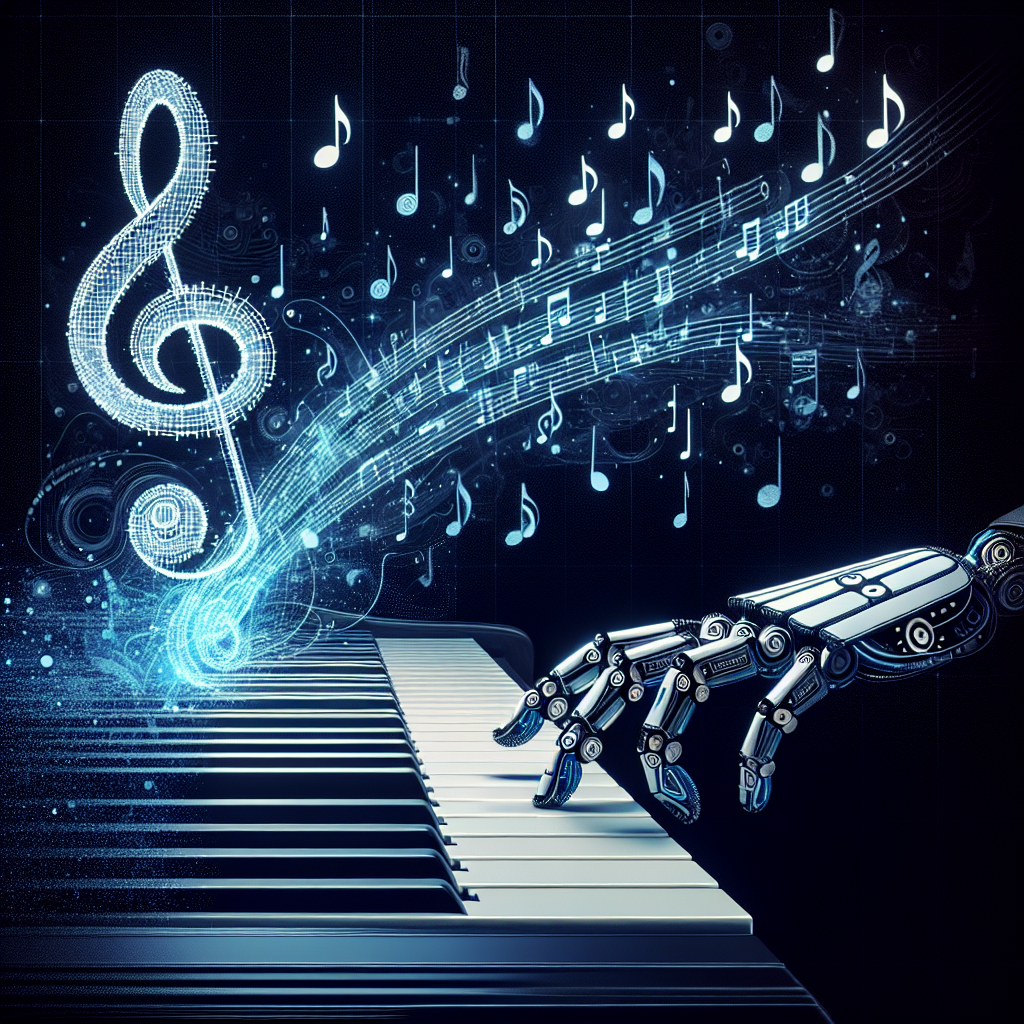
Artificial Intelligence (AI) is revolutionizing almost every aspect of our lives, and the world of music is no exception. AI is redefining the concept of musical creativity by offering new tools and techniques for musicians, composers, and producers to create and innovate in ways that were previously unimaginable. In this article, we will explore how AI is reshaping the music industry, from generating melodies to composing entire songs, and discuss the implications of this technological advancement on the future of music.
AI in Music Composition
One of the most exciting applications of AI in music is its ability to compose original pieces. AI-powered algorithms can analyze vast amounts of music data, learn patterns and structures, and generate compositions that sound remarkably human-like. This technology has the potential to revolutionize the way music is created, allowing musicians to collaborate with AI systems to produce unique and innovative pieces.
One example of AI composition is Jukedeck, a platform that uses machine learning algorithms to create royalty-free music. Users can input parameters such as genre, tempo, and mood, and the AI system will generate a custom-made track in seconds. This technology is particularly useful for content creators, filmmakers, and advertisers who need high-quality music on a tight deadline.
Another example is AIVA (Artificial Intelligence Virtual Artist), an AI composer that can generate original compositions in various styles and genres. AIVA has been used in film soundtracks, video games, and even live performances, demonstrating the versatility and creativity of AI in music composition.
AI in Music Production
In addition to composing music, AI is also being used in the production process to enhance sound quality, automate mixing and mastering, and even assist in live performances. AI-powered tools such as LANDR and iZotope Ozone can analyze audio tracks, identify flaws, and apply corrective measures to achieve professional-grade results.
AI can also help musicians and producers explore new sounds and genres by generating music recommendations based on their preferences and listening habits. Platforms like Spotify and Apple Music use AI algorithms to curate personalized playlists and suggest new artists and tracks, expanding the listener’s musical horizons.
Furthermore, AI is increasingly being used in live performances to create immersive and interactive experiences for audiences. Artists like Björk and Imogen Heap have incorporated AI technologies into their shows, using machine learning algorithms to manipulate sound and visuals in real-time, creating a dynamic and engaging performance that blurs the line between human and machine creativity.
Implications of AI in Music
The rise of AI in music raises important questions about the nature of creativity, authorship, and artistic expression. Some critics argue that AI-generated music lacks the emotional depth and authenticity of human compositions, while others see it as a powerful tool for expanding artistic boundaries and exploring new creative possibilities.
One of the main concerns surrounding AI in music is the potential loss of jobs and opportunities for human musicians and composers. As AI technologies become more sophisticated and widely adopted, there is a fear that traditional roles in the music industry may be replaced by machines, leading to a decline in creativity and diversity.
However, proponents of AI in music argue that these technologies can actually empower artists and democratize the creative process by providing access to tools and resources that were previously unavailable. AI can help musicians overcome creative blocks, experiment with new ideas, and collaborate with virtual composers to produce music that pushes the boundaries of traditional genres and styles.
Furthermore, AI has the potential to revolutionize music education by providing students with interactive tools and personalized learning experiences. Platforms like Amper Music and Google Magenta offer educational resources and tutorials on AI music composition, allowing aspiring musicians to explore new techniques and develop their skills in a digital age.
FAQs
Q: Can AI replace human musicians and composers?
A: While AI technologies have the potential to automate certain aspects of music composition and production, they cannot replicate the emotional depth and artistic intuition of human creativity. AI can be a powerful tool for collaboration and innovation, but it is ultimately up to the artist to infuse their work with passion and authenticity.
Q: How is AI changing the way music is consumed?
A: AI algorithms are reshaping the music industry by personalizing recommendations, curating playlists, and enhancing the overall listening experience for audiences. Platforms like Spotify and Apple Music use AI to analyze user data and preferences, providing tailored content that reflects individual tastes and interests.
Q: What are the ethical implications of AI in music?
A: The use of AI in music raises important ethical questions about copyright, ownership, and originality. As AI technologies become more sophisticated, there is a need to establish guidelines and regulations to ensure that artists are properly credited and compensated for their work, and that the integrity of the creative process is preserved.
In conclusion, AI is redefining the concept of musical creativity by offering new tools and techniques for artists to explore and innovate in ways that were previously unimaginable. From composing original pieces to enhancing sound quality and live performances, AI technologies are transforming the music industry and reshaping the future of music. While there are concerns about job displacement and ethical implications, the potential for collaboration, creativity, and experimentation with AI in music is endless, offering exciting possibilities for artists and audiences alike.