
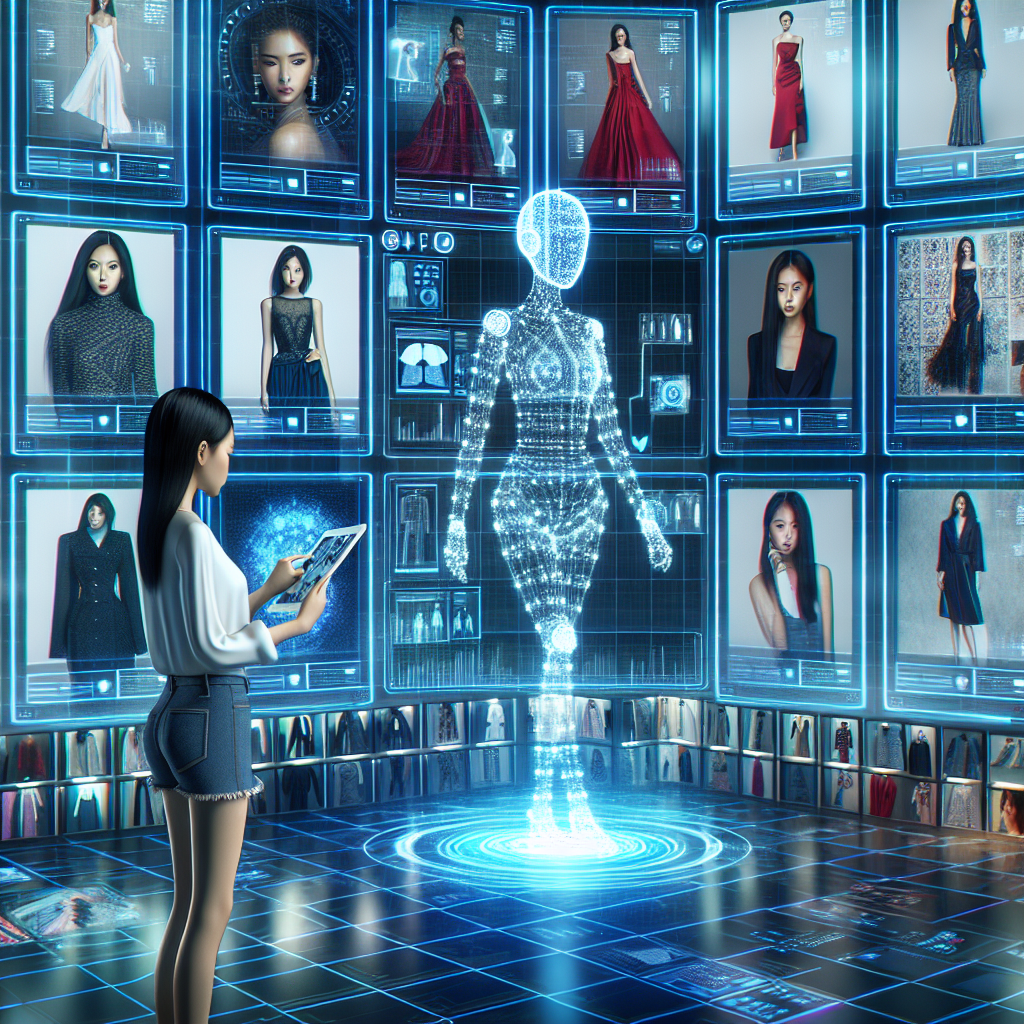
In the fast-paced world of fashion, staying ahead of trends and identifying the next big thing is crucial for fashion editors. However, with the rapid advancements in technology, particularly in the field of artificial intelligence (AI), the role of fashion editors is being redefined. AI is not only changing the way fashion content is created and consumed but also how trends are identified and analyzed. In this article, we will explore how AI is reshaping the role of fashion editors and what this means for the future of the industry.
How AI is Transforming Fashion Editing
AI has the potential to revolutionize the way fashion editors work by automating time-consuming tasks and providing valuable insights into consumer behavior and trends. Here are some ways in which AI is reshaping the role of fashion editors:
1. Trend Forecasting: One of the key responsibilities of fashion editors is to predict trends and identify what will be popular in the upcoming seasons. AI-powered trend forecasting tools can analyze vast amounts of data, including social media posts, online searches, and sales data, to identify emerging trends and predict what will be popular in the future. This can help fashion editors stay ahead of the curve and create content that resonates with their audience.
2. Content Creation: AI can also assist fashion editors in creating compelling content. For example, AI-powered tools can generate personalized recommendations for fashion articles based on a reader’s browsing history and preferences. This can help fashion editors tailor their content to their audience and increase engagement.
3. Personalization: AI can help fashion editors personalize their content to individual readers. By analyzing data on a reader’s browsing history, social media activity, and shopping behavior, AI can recommend personalized fashion articles, products, and trends that are tailored to their interests. This can help fashion editors create more relevant and engaging content for their audience.
4. Image Recognition: AI-powered image recognition tools can help fashion editors identify trends and influencers by analyzing images from social media platforms and fashion websites. This can help fashion editors discover new trends and sources of inspiration, as well as track the popularity of certain styles and brands.
5. Data Analysis: AI can help fashion editors analyze data on consumer behavior, sales trends, and social media engagement to identify patterns and insights that can inform their content strategy. By leveraging AI-powered analytics tools, fashion editors can gain a deeper understanding of their audience and create content that resonates with them.
FAQs:
1. How is AI being used in fashion editing?
AI is being used in fashion editing in various ways, including trend forecasting, content creation, personalization, image recognition, and data analysis. AI-powered tools can analyze data on consumer behavior, sales trends, and social media engagement to identify emerging trends, create personalized recommendations for fashion articles, and analyze images from social media platforms to identify trends and influencers.
2. How can AI help fashion editors stay ahead of trends?
AI can help fashion editors stay ahead of trends by analyzing vast amounts of data, including social media posts, online searches, and sales data, to predict what will be popular in the future. AI-powered trend forecasting tools can identify emerging trends and provide valuable insights into consumer behavior, helping fashion editors create content that resonates with their audience.
3. How can AI personalize fashion content for readers?
AI can personalize fashion content for readers by analyzing data on their browsing history, social media activity, and shopping behavior to recommend personalized fashion articles, products, and trends that are tailored to their interests. This can help fashion editors create more relevant and engaging content for their audience.
4. What are the benefits of using AI in fashion editing?
The benefits of using AI in fashion editing include improved trend forecasting, personalized content recommendations, image recognition, data analysis, and increased efficiency. AI-powered tools can help fashion editors stay ahead of trends, create engaging content, identify influencers, and gain insights into consumer behavior, ultimately improving the overall quality of their work.
In conclusion, AI is redefining the role of fashion editors by automating time-consuming tasks, providing valuable insights into consumer behavior, and helping editors stay ahead of trends. By leveraging AI-powered tools, fashion editors can create more personalized and engaging content, identify emerging trends, and gain a deeper understanding of their audience. As AI continues to advance, the role of fashion editors will likely evolve even further, shaping the future of the industry in exciting new ways.