
Introduction
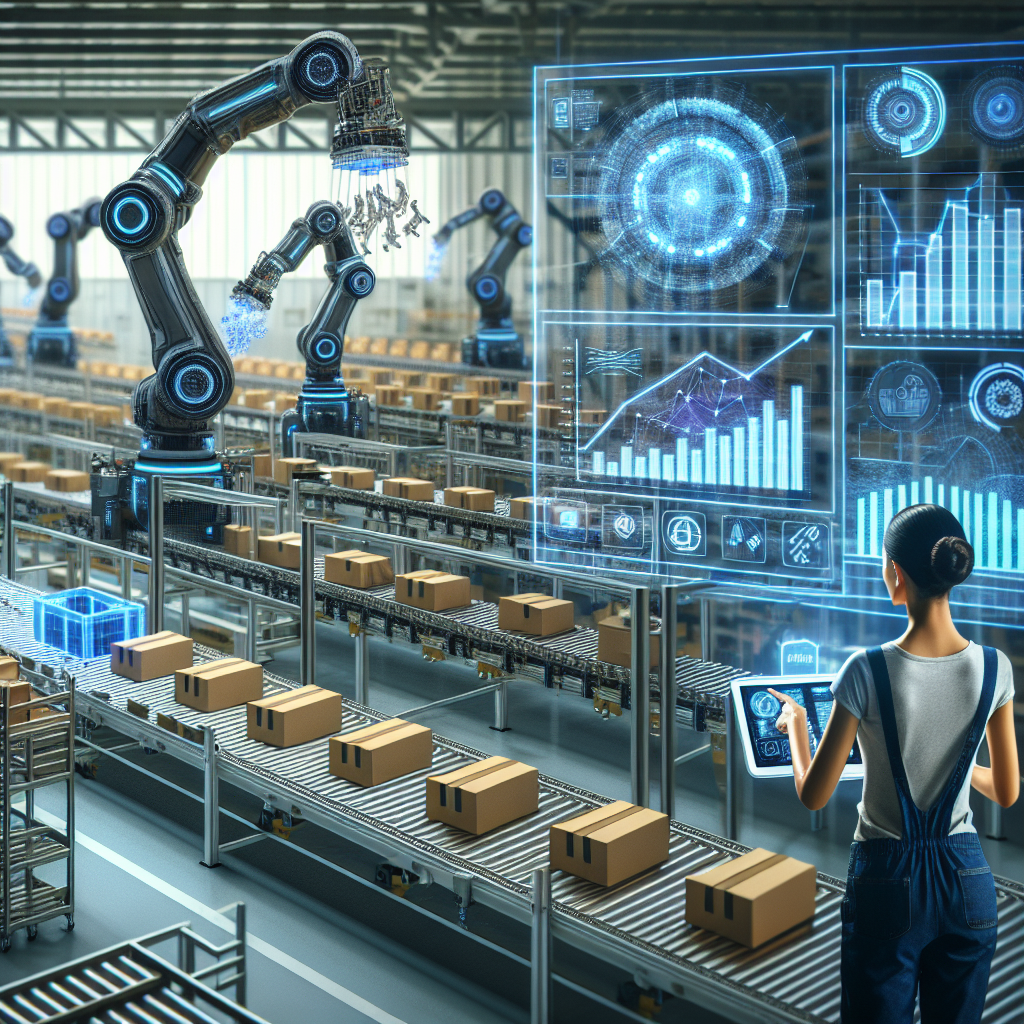
In the world of manufacturing, inventory management is a critical aspect of operations. Efficiently managing inventory ensures that businesses have the right amount of raw materials, work-in-progress, and finished goods to meet customer demand while minimizing waste and costs. Traditionally, inventory management has been a labor-intensive and error-prone process, but with the advent of artificial intelligence (AI), manufacturers are now able to transform the way they manage their inventory.
AI-powered inventory management systems use machine learning algorithms to analyze data and make predictions about inventory levels, demand forecasting, and supply chain optimization. By harnessing the power of AI, manufacturers can streamline their operations, reduce costs, and improve customer satisfaction. In this article, we will explore how AI is transforming inventory management in manufacturing and the benefits it brings to businesses.
Benefits of AI in Inventory Management
1. Demand Forecasting: One of the key benefits of AI in inventory management is its ability to accurately predict demand. By analyzing historical sales data, market trends, and other factors, AI-powered systems can generate more accurate demand forecasts compared to traditional methods. This allows manufacturers to optimize their inventory levels, reduce stockouts, and minimize excess inventory.
2. Real-Time Inventory Tracking: AI enables real-time tracking of inventory levels, allowing manufacturers to have a clear view of their stock at all times. This real-time visibility helps businesses make more informed decisions about ordering, production, and distribution, leading to improved efficiency and reduced costs.
3. Inventory Optimization: AI algorithms can analyze data to identify patterns and trends in inventory levels, allowing manufacturers to optimize their inventory levels based on demand fluctuations, lead times, and other factors. This optimization helps businesses reduce carrying costs, minimize stockouts, and improve overall inventory management.
4. Supply Chain Optimization: AI can also optimize the entire supply chain by analyzing data from suppliers, logistics providers, and other stakeholders. By identifying inefficiencies and bottlenecks in the supply chain, AI-powered systems can help manufacturers improve lead times, reduce costs, and enhance overall operational performance.
5. Enhanced Decision-Making: AI provides manufacturers with valuable insights and recommendations for inventory management. By analyzing vast amounts of data, AI algorithms can identify opportunities for improvement, alert businesses to potential risks, and guide decision-making processes. This enables businesses to make more informed and strategic decisions that drive operational excellence.
Case Studies
1. Amazon: As one of the largest e-commerce retailers in the world, Amazon relies heavily on AI for inventory management. The company uses machine learning algorithms to forecast demand, optimize inventory levels, and improve supply chain efficiency. By leveraging AI, Amazon is able to deliver millions of products to customers worldwide with high accuracy and efficiency.
2. Bosch: Bosch, a leading global supplier of technology and services, uses AI to optimize its inventory management processes. By analyzing data from sensors, RFID tags, and other sources, Bosch can track inventory levels in real-time, identify inefficiencies in its supply chain, and make data-driven decisions to improve operational performance.
3. Toyota: Toyota, a renowned automotive manufacturer, utilizes AI to enhance its inventory management practices. By integrating AI-powered systems into its production and distribution processes, Toyota can optimize inventory levels, reduce waste, and improve customer satisfaction. The company’s use of AI has helped it maintain its position as a leader in the automotive industry.
FAQs
Q: How does AI improve demand forecasting in inventory management?
A: AI algorithms analyze historical sales data, market trends, and other factors to generate more accurate demand forecasts compared to traditional methods. This enables manufacturers to optimize their inventory levels and reduce stockouts.
Q: How does AI enable real-time inventory tracking?
A: AI-powered systems provide real-time visibility of inventory levels, allowing manufacturers to make informed decisions about ordering, production, and distribution. This real-time tracking helps businesses improve efficiency and reduce costs.
Q: How can AI optimize the supply chain in inventory management?
A: AI analyzes data from suppliers, logistics providers, and other stakeholders to identify inefficiencies and bottlenecks in the supply chain. By optimizing the supply chain, manufacturers can improve lead times, reduce costs, and enhance operational performance.
Q: How does AI enhance decision-making in inventory management?
A: AI algorithms provide valuable insights and recommendations for inventory management, enabling businesses to make more informed and strategic decisions. By analyzing vast amounts of data, AI guides decision-making processes and drives operational excellence.
Conclusion
AI is transforming inventory management in manufacturing by enabling more accurate demand forecasting, real-time inventory tracking, inventory optimization, supply chain optimization, and enhanced decision-making. By harnessing the power of AI, manufacturers can streamline their operations, reduce costs, and improve customer satisfaction. As AI continues to evolve, its impact on inventory management will only grow, driving greater efficiency and innovation in the manufacturing industry.