
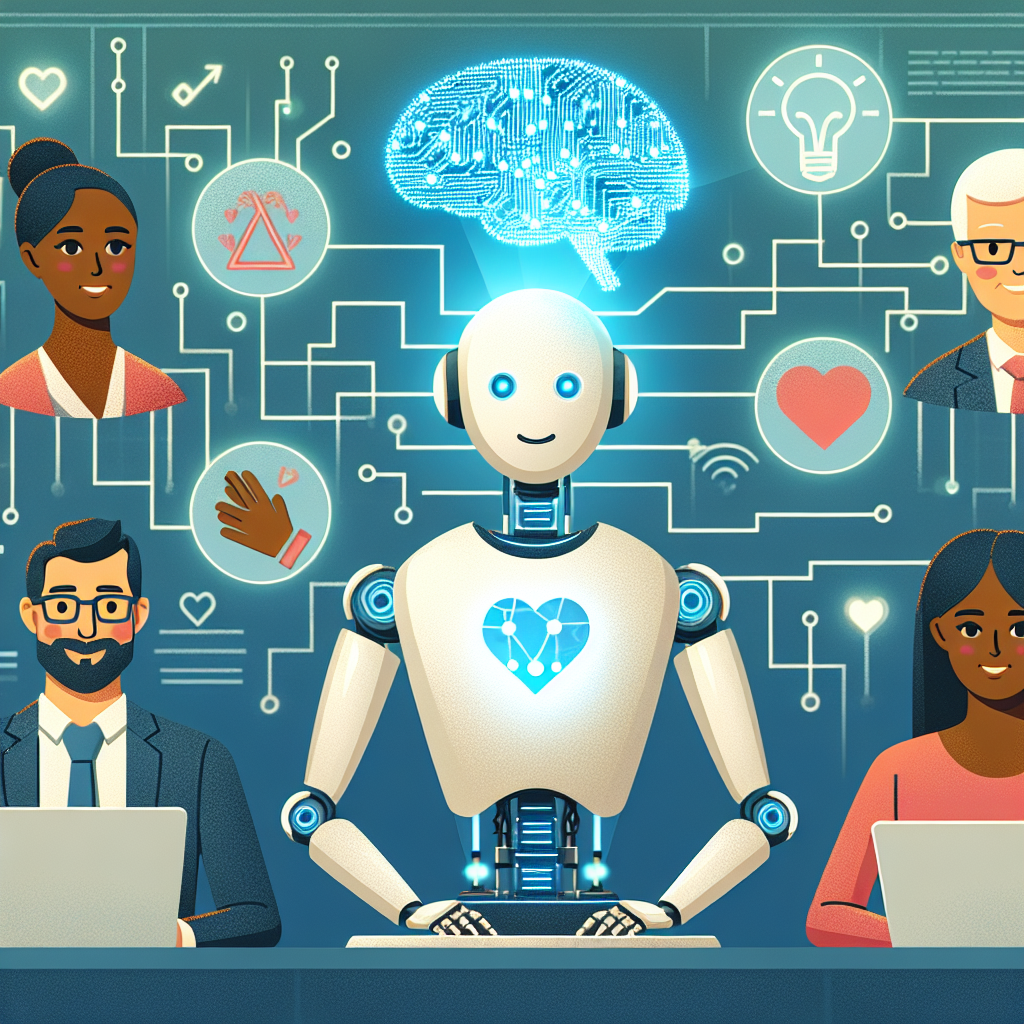
Artificial Intelligence (AI) is revolutionizing the way philanthropic organizations operate, allowing them to streamline processes, make data-driven decisions, and ultimately have a greater impact on the communities they serve. From fundraising to program evaluation, AI is transforming the nonprofit sector in numerous ways.
One of the most significant ways AI is transforming philanthropic organizations is through its ability to analyze large amounts of data quickly and accurately. Nonprofits collect a vast amount of data on donors, volunteers, and beneficiaries, but often struggle to make sense of it all. AI can help organizations analyze this data to identify trends, predict donor behavior, and personalize fundraising appeals.
For example, AI-powered fundraising platforms can analyze donor data to identify the most likely donors to give to a particular campaign. These platforms can also provide personalized recommendations on the best ways to engage with donors, such as sending personalized emails or suggesting donation amounts based on past giving history.
AI is also being used to improve program evaluation and impact assessment. Nonprofits can use AI algorithms to analyze program data and determine what strategies are most effective in achieving their goals. This allows organizations to allocate resources more efficiently and make evidence-based decisions on how to best serve their communities.
Furthermore, AI can help philanthropic organizations automate repetitive tasks, freeing up staff to focus on more strategic initiatives. For example, chatbots powered by AI can handle donor inquiries, event registrations, and volunteer management, allowing staff to spend more time on fundraising and program development.
In addition to improving operational efficiency, AI is also helping philanthropic organizations increase transparency and accountability. AI algorithms can detect fraud and prevent financial mismanagement, ensuring that donor funds are used efficiently and effectively.
Overall, AI is transforming philanthropic organizations in numerous ways, enabling them to operate more efficiently, make data-driven decisions, and have a greater impact on the communities they serve.
FAQs:
Q: How can AI help philanthropic organizations improve fundraising efforts?
A: AI can analyze donor data to identify trends and predict donor behavior, helping organizations target the most likely donors to give to a particular campaign. AI can also provide personalized recommendations on how to engage with donors, such as sending personalized emails or suggesting donation amounts based on past giving history.
Q: Can AI help nonprofits with program evaluation and impact assessment?
A: Yes, AI algorithms can analyze program data to determine what strategies are most effective in achieving organizational goals. This allows nonprofits to allocate resources more efficiently and make evidence-based decisions on how to best serve their communities.
Q: How can AI improve operational efficiency for philanthropic organizations?
A: AI can help organizations automate repetitive tasks, such as donor inquiries, event registrations, and volunteer management, allowing staff to focus on more strategic initiatives. AI can also detect fraud and prevent financial mismanagement, increasing transparency and accountability.
In conclusion, AI is transforming philanthropic organizations in numerous ways, enabling them to operate more efficiently, make data-driven decisions, and have a greater impact on the communities they serve. By embracing AI technology, nonprofits can better achieve their mission of creating positive change in the world.