
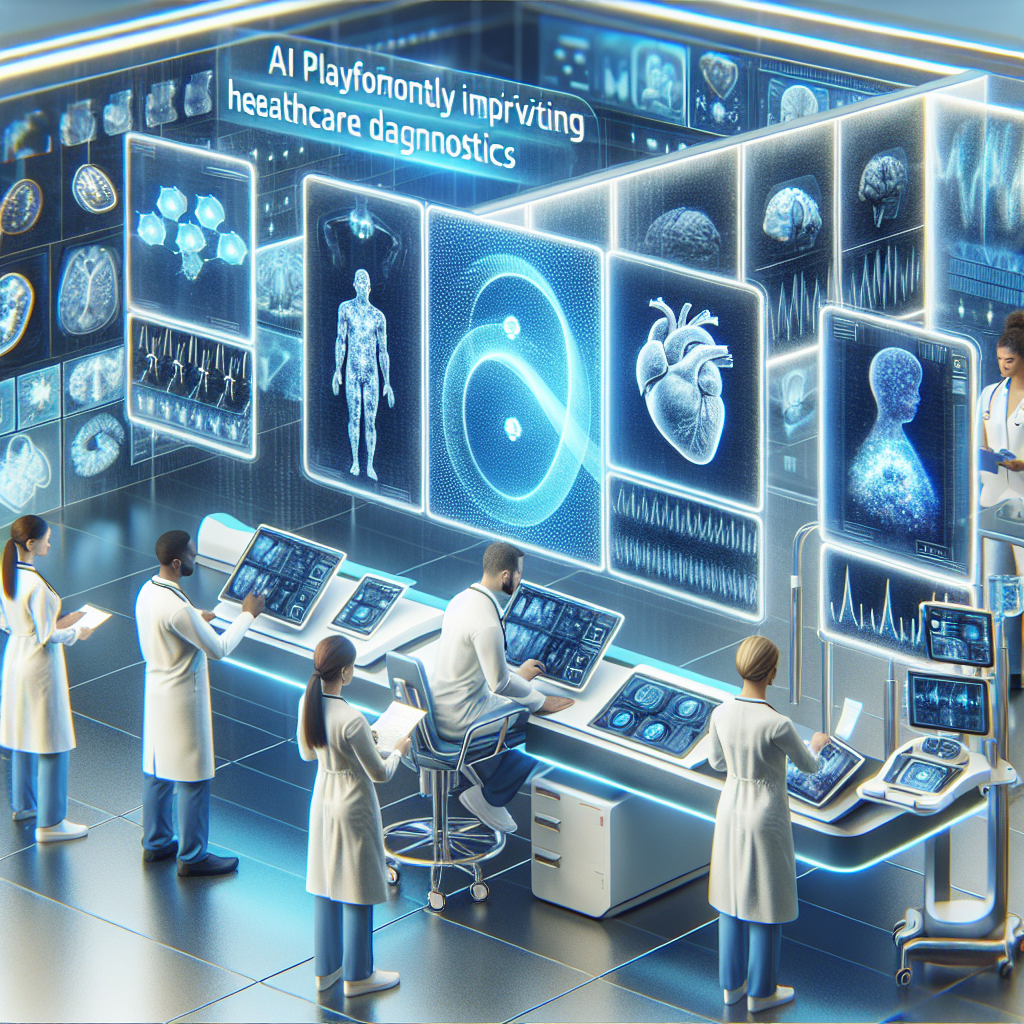
Artificial intelligence (AI) has rapidly transformed the healthcare industry in recent years, particularly in the field of diagnostics. AI platforms are revolutionizing the way medical professionals diagnose and treat various diseases by utilizing advanced algorithms and machine learning techniques to analyze vast amounts of data quickly and accurately. In this article, we will explore how AI platforms are improving healthcare diagnostics and revolutionizing patient care.
One of the most significant ways AI platforms are transforming healthcare diagnostics is through image recognition technology. AI algorithms can analyze medical images, such as X-rays, MRIs, and CT scans, with incredible speed and accuracy. This enables healthcare professionals to detect abnormalities and diagnose conditions with greater precision than ever before. For example, AI-powered imaging platforms can identify early signs of diseases like cancer, cardiovascular disorders, and neurological conditions, allowing for earlier intervention and improved outcomes for patients.
In addition to image recognition, AI platforms are also being used to analyze genetic data and medical records to predict and diagnose illnesses. By studying patterns and correlations in large datasets, AI algorithms can identify risk factors for diseases and recommend personalized treatment plans based on an individual’s genetic makeup and medical history. This personalized approach to healthcare is revolutionizing the way doctors diagnose and treat patients, leading to more effective and efficient care.
Moreover, AI platforms are also enhancing the speed and accuracy of diagnostic testing. For instance, AI-powered diagnostic tools can analyze blood samples, urine tests, and other laboratory tests with incredible precision, reducing the risk of human error and speeding up the diagnosis process. This not only improves patient outcomes but also helps healthcare providers make more informed decisions about treatment options.
Furthermore, AI platforms are playing a crucial role in improving telemedicine and remote patient monitoring. By analyzing data from wearable devices and remote sensors, AI algorithms can track a patient’s vital signs, monitor their health status, and detect any potential issues in real-time. This enables healthcare providers to intervene quickly and prevent complications, especially for patients with chronic conditions or those who live in remote areas with limited access to healthcare facilities.
Overall, AI platforms are revolutionizing healthcare diagnostics by providing faster, more accurate, and personalized care to patients. By leveraging the power of AI, healthcare providers can improve patient outcomes, reduce healthcare costs, and enhance the overall quality of care.
FAQs:
Q: Are AI platforms replacing human doctors in healthcare diagnostics?
A: AI platforms are not replacing human doctors but rather enhancing their capabilities. AI algorithms can analyze vast amounts of data quickly and accurately, helping doctors make more informed decisions and improve patient outcomes.
Q: Are AI-powered diagnostic tools safe and reliable?
A: AI-powered diagnostic tools undergo rigorous testing and validation to ensure their safety and reliability. These tools are constantly being improved and updated to provide accurate and timely results for healthcare professionals.
Q: How are patients benefiting from AI platforms in healthcare diagnostics?
A: Patients are benefiting from AI platforms in healthcare diagnostics by receiving faster, more accurate, and personalized care. AI algorithms can help doctors diagnose diseases earlier, recommend tailored treatment plans, and monitor patients’ health status in real-time, leading to improved outcomes and better quality of care.
Q: What are the challenges of implementing AI platforms in healthcare diagnostics?
A: Some of the challenges of implementing AI platforms in healthcare diagnostics include data privacy concerns, regulatory compliance, and the need for healthcare professionals to be trained in using AI tools effectively. However, as technology advances and regulations evolve, these challenges are being addressed to ensure the safe and effective use of AI in healthcare diagnostics.