
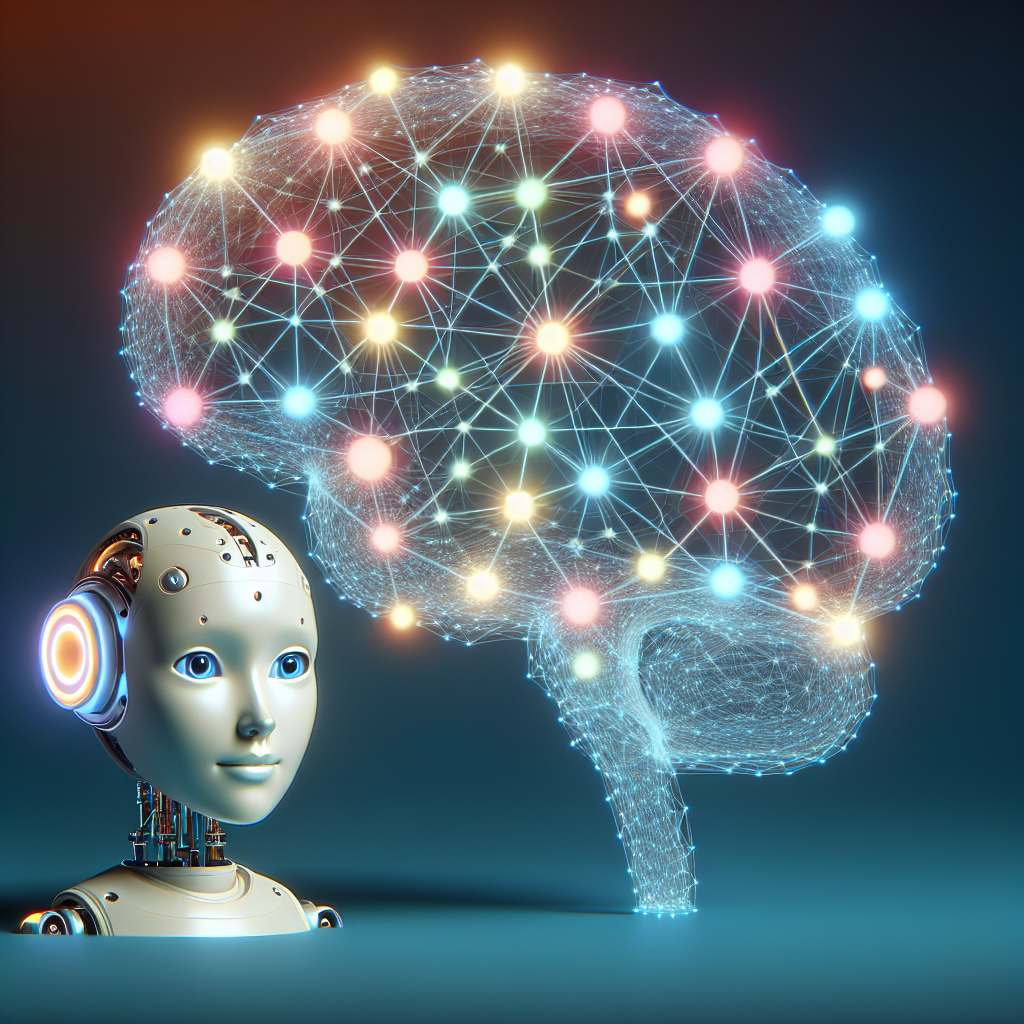
Generative AI, or artificial intelligence that is capable of creating new content, is revolutionizing the field of mental health in numerous ways. From providing personalized therapy to creating innovative tools for self-care, generative AI is transforming the way we approach mental health care and support. In this article, we will explore the ways in which generative AI is making a difference in mental health and address some common questions about this emerging technology.
One of the most significant ways in which generative AI is transforming mental health is through the creation of personalized therapy tools. Traditionally, therapy has been a one-size-fits-all approach, with therapists using the same techniques and interventions for all patients. However, generative AI is changing this by allowing therapists to create individualized therapy programs for each patient based on their unique needs and preferences.
For example, generative AI can analyze a patient’s speech patterns, facial expressions, and other data to create a personalized therapy program that is tailored to their specific needs. This can help patients progress more quickly in therapy and achieve better outcomes.
Generative AI is also being used to create innovative tools for self-care and mental health support. For example, chatbots powered by generative AI can provide 24/7 support to individuals in need of help. These chatbots can offer advice, encouragement, and even crisis intervention to those in distress. In addition, generative AI can create virtual reality experiences that help individuals manage stress, anxiety, and other mental health issues.
Another way in which generative AI is transforming mental health is through the creation of digital therapeutics. These are software programs that deliver therapeutic interventions to individuals with mental health conditions. For example, there are now generative AI programs that can deliver cognitive-behavioral therapy (CBT) to individuals with depression and anxiety. These programs are often more accessible and cost-effective than traditional therapy, making mental health care more accessible to those who need it.
Generative AI is also being used to analyze large datasets of mental health information to identify patterns and trends that can help researchers better understand mental health conditions. This can lead to the development of more effective treatments and interventions for individuals with mental health issues.
Despite the many benefits of generative AI in mental health, there are also some concerns and challenges. One concern is the potential for bias in AI algorithms, which could lead to inaccurate or harmful recommendations for individuals seeking mental health support. Additionally, there are concerns about privacy and data security when using generative AI for mental health purposes.
To address these concerns, it is important for developers of generative AI tools to prioritize transparency and accountability in their algorithms. It is also crucial for mental health professionals to be involved in the development and implementation of generative AI tools to ensure that they are safe and effective for patients.
In conclusion, generative AI is transforming mental health by providing personalized therapy, creating innovative tools for self-care, and improving our understanding of mental health conditions. While there are challenges and concerns associated with the use of generative AI in mental health, the potential benefits are significant. As this technology continues to evolve, it has the potential to revolutionize the way we approach mental health care and support.
FAQs:
1. What is generative AI?
Generative AI is artificial intelligence that is capable of creating new content, such as images, text, or music. This type of AI is different from other types of AI, which are typically used to analyze data or make decisions based on predefined rules.
2. How is generative AI used in mental health?
Generative AI is used in mental health to provide personalized therapy, create innovative tools for self-care, and analyze large datasets of mental health information. This technology is revolutionizing the field of mental health by offering new ways to support individuals with mental health conditions.
3. What are some benefits of using generative AI in mental health?
Some benefits of using generative AI in mental health include personalized therapy programs, 24/7 support through chatbots, and the development of digital therapeutics. This technology can help individuals with mental health conditions access care more easily and achieve better outcomes.
4. What are some concerns about using generative AI in mental health?
Some concerns about using generative AI in mental health include bias in AI algorithms, privacy and data security issues, and the need for transparency and accountability in algorithm development. It is important for developers and mental health professionals to address these concerns to ensure the safety and effectiveness of generative AI tools.
5. How can generative AI improve mental health care?
Generative AI can improve mental health care by providing personalized therapy, creating innovative tools for self-care, and analyzing large datasets of mental health information. This technology has the potential to revolutionize the way we approach mental health care and support, making it more accessible and effective for individuals in need.