
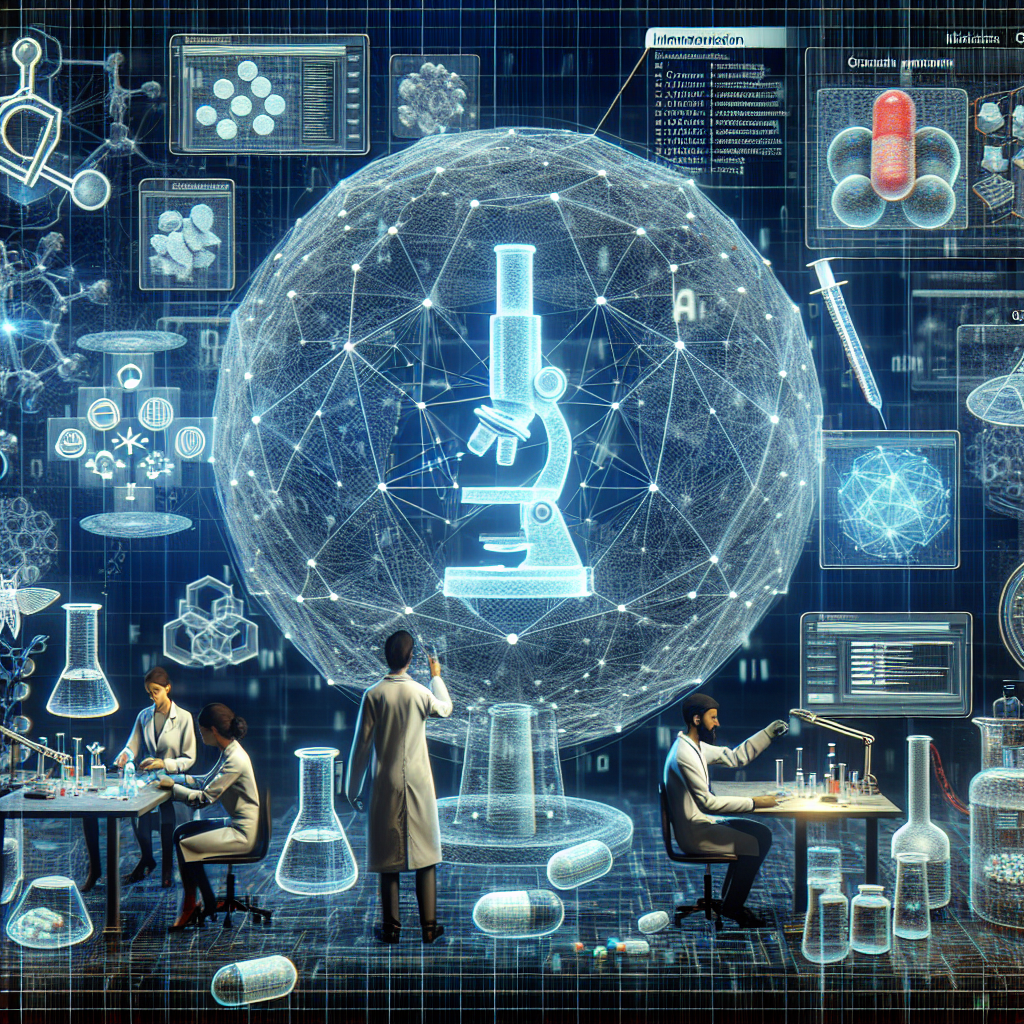
Generative artificial intelligence (AI) is revolutionizing the pharmaceutical industry in numerous ways, from drug discovery to personalized medicine. This cutting-edge technology has the potential to greatly accelerate the development of new drugs, improve patient outcomes, and reduce costs. In this article, we will explore the impact of generative AI on the pharmaceutical industry and discuss some of the key applications and benefits of this technology.
One of the most significant ways that generative AI is transforming the pharmaceutical industry is in the area of drug discovery. Traditionally, drug discovery is a time-consuming and costly process that involves screening thousands of compounds to identify potential drug candidates. Generative AI, however, can significantly speed up this process by generating virtual compounds and predicting their properties, allowing researchers to focus on the most promising candidates.
Generative AI algorithms are able to analyze large datasets and identify patterns that human researchers may overlook. This can lead to the discovery of novel drug candidates that may have been missed using traditional methods. By using generative AI to generate virtual compounds, researchers can quickly explore a vast chemical space and identify potential drug candidates that have the desired properties.
In addition to accelerating the drug discovery process, generative AI can also help pharmaceutical companies develop more personalized treatments for patients. By analyzing individual patient data, generative AI algorithms can identify the most effective treatments for specific patient populations. This can lead to more targeted therapies that produce better outcomes for patients while reducing the risk of adverse reactions.
Generative AI can also help pharmaceutical companies optimize their clinical trials by identifying the most suitable patient populations and predicting the outcomes of different treatment regimens. By using generative AI to analyze clinical trial data, researchers can quickly identify trends and patterns that may indicate the effectiveness of a particular treatment.
Another area where generative AI is transforming the pharmaceutical industry is in drug repurposing. Drug repurposing involves identifying new uses for existing drugs, which can greatly reduce the time and cost of drug development. Generative AI algorithms can analyze large datasets of drug compounds and predict their potential uses based on their chemical properties. This can lead to the discovery of new therapeutic applications for existing drugs, allowing pharmaceutical companies to bring new treatments to market more quickly.
Generative AI is also being used to optimize drug manufacturing processes. By analyzing data from manufacturing facilities, generative AI algorithms can identify opportunities to improve efficiency, reduce waste, and ensure product quality. This can help pharmaceutical companies streamline their production processes and reduce costs, ultimately leading to lower prices for consumers.
Overall, generative AI is transforming the pharmaceutical industry by accelerating the drug discovery process, developing personalized treatments, optimizing clinical trials, and repurposing existing drugs. This technology has the potential to greatly improve patient outcomes, reduce costs, and bring new treatments to market more quickly.
FAQs:
Q: How does generative AI accelerate the drug discovery process?
A: Generative AI can speed up the drug discovery process by generating virtual compounds and predicting their properties, allowing researchers to focus on the most promising candidates. This technology can quickly explore a vast chemical space and identify potential drug candidates that have the desired properties.
Q: How can generative AI help develop personalized treatments?
A: Generative AI algorithms can analyze individual patient data to identify the most effective treatments for specific patient populations. This can lead to more targeted therapies that produce better outcomes for patients while reducing the risk of adverse reactions.
Q: How is generative AI used in drug repurposing?
A: Generative AI algorithms can analyze large datasets of drug compounds and predict their potential uses based on their chemical properties. This can lead to the discovery of new therapeutic applications for existing drugs, allowing pharmaceutical companies to bring new treatments to market more quickly.
Q: How does generative AI optimize drug manufacturing processes?
A: Generative AI algorithms can analyze data from manufacturing facilities to identify opportunities to improve efficiency, reduce waste, and ensure product quality. This can help pharmaceutical companies streamline their production processes and reduce costs.