
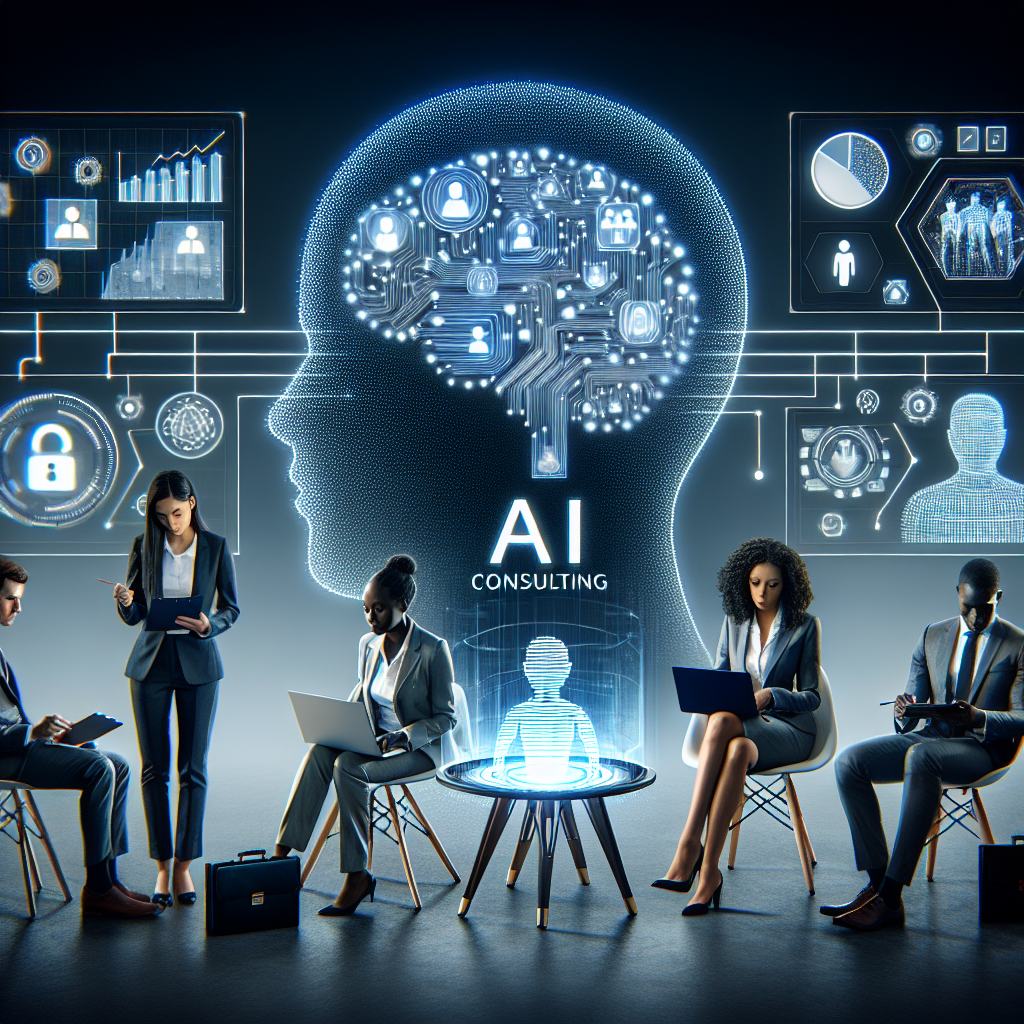
Artificial Intelligence (AI) has been making waves in various industries, and talent development is no exception. Implementing AI consulting in talent development can greatly enhance the efficiency and effectiveness of training programs, recruitment processes, and overall employee development. In this article, we will explore the benefits of AI consulting in talent development, how it can be implemented, and common FAQs about this innovative approach.
Benefits of AI Consulting in Talent Development
1. Personalized Learning Experiences: AI consulting can help create personalized learning experiences for employees based on their individual skills, preferences, and needs. By analyzing data on employee performance, learning styles, and career goals, AI can recommend customized training programs and resources to help employees reach their full potential.
2. Improved Recruitment Processes: AI can streamline the recruitment process by automatically screening resumes, conducting initial interviews, and matching candidates with job requirements. This can save time and resources for HR professionals, allowing them to focus on more strategic aspects of talent acquisition.
3. Predictive Analytics: AI can analyze data to predict trends in employee performance, turnover, and engagement. This can help organizations proactively address issues before they escalate, such as identifying high-potential employees who may be at risk of leaving or recommending interventions to improve team collaboration.
4. Enhanced Employee Engagement: AI can help increase employee engagement by providing real-time feedback, recognition, and learning opportunities. By leveraging AI tools like chatbots and virtual assistants, employees can access information and support whenever they need it, leading to higher levels of motivation and satisfaction.
5. Cost Savings: By automating repetitive tasks and optimizing processes, AI consulting can help organizations save time and reduce costs associated with talent development. This can free up resources to invest in more strategic initiatives that drive business growth and innovation.
Implementation of AI Consulting in Talent Development
1. Assess Organizational Needs: Before implementing AI consulting in talent development, organizations should assess their current processes, technologies, and goals. This will help identify areas where AI can add value and prioritize initiatives that align with the organization’s strategic objectives.
2. Choose the Right AI Solutions: There are various AI solutions available for talent development, including learning management systems, recruitment platforms, and performance management tools. Organizations should evaluate different options based on their specific needs and select solutions that are user-friendly, scalable, and integrate seamlessly with existing systems.
3. Train Employees: To ensure successful implementation of AI consulting in talent development, organizations should provide training and support to employees. This includes educating staff on how AI works, how to use AI tools effectively, and how AI can enhance their job performance and career development.
4. Monitor and Evaluate Results: Once AI consulting is implemented, organizations should monitor key performance indicators (KPIs) to assess the impact on talent development outcomes. This includes tracking metrics such as employee engagement, retention rates, training effectiveness, and recruitment success to measure the ROI of AI initiatives.
5. Continuously Improve: AI technology is constantly evolving, so organizations should continuously seek opportunities to enhance and optimize their AI consulting in talent development. This may involve updating AI algorithms, integrating new data sources, or expanding AI capabilities to address emerging challenges and opportunities.
FAQs about AI Consulting in Talent Development
Q: Will AI consulting replace human talent development professionals?
A: AI consulting is designed to augment, not replace, human talent development professionals. While AI can automate routine tasks and provide data-driven insights, human professionals are still essential for designing learning programs, coaching employees, and fostering a culture of continuous learning and development.
Q: Is AI consulting secure and compliant with data privacy regulations?
A: Organizations should ensure that AI consulting solutions comply with data privacy regulations, such as GDPR and HIPAA, and have robust security measures in place to protect sensitive employee data. This includes implementing encryption, access controls, and data anonymization to safeguard against data breaches and unauthorized access.
Q: How can organizations measure the ROI of AI consulting in talent development?
A: Organizations can measure the ROI of AI consulting in talent development by tracking key metrics related to employee performance, engagement, retention, and recruitment. This includes calculating cost savings, productivity gains, and improvements in employee satisfaction and performance to quantify the impact of AI initiatives on business outcomes.
Q: What are the potential challenges of implementing AI consulting in talent development?
A: Some potential challenges of implementing AI consulting in talent development include resistance from employees who may fear job displacement, lack of expertise in AI technology among staff, and concerns about data privacy and security. Organizations should address these challenges proactively by providing training, communication, and support to ensure a smooth transition to AI-enabled talent development practices.
Q: How can organizations ensure that AI consulting is ethical and unbiased in talent development?
A: Organizations should establish ethical guidelines and safeguards to ensure that AI consulting is used responsibly and ethically in talent development. This includes monitoring and auditing AI algorithms for bias, transparency in decision-making processes, and ensuring that AI recommendations align with organizational values and diversity and inclusion initiatives.
In conclusion, AI consulting in talent development offers numerous benefits, including personalized learning experiences, improved recruitment processes, predictive analytics, enhanced employee engagement, and cost savings. By following best practices for implementation and addressing common FAQs, organizations can leverage AI technology to drive innovation and excellence in talent development. As AI continues to advance, the possibilities for enhancing talent development are limitless, and organizations that embrace AI consulting will be well-positioned for success in the future of work.