
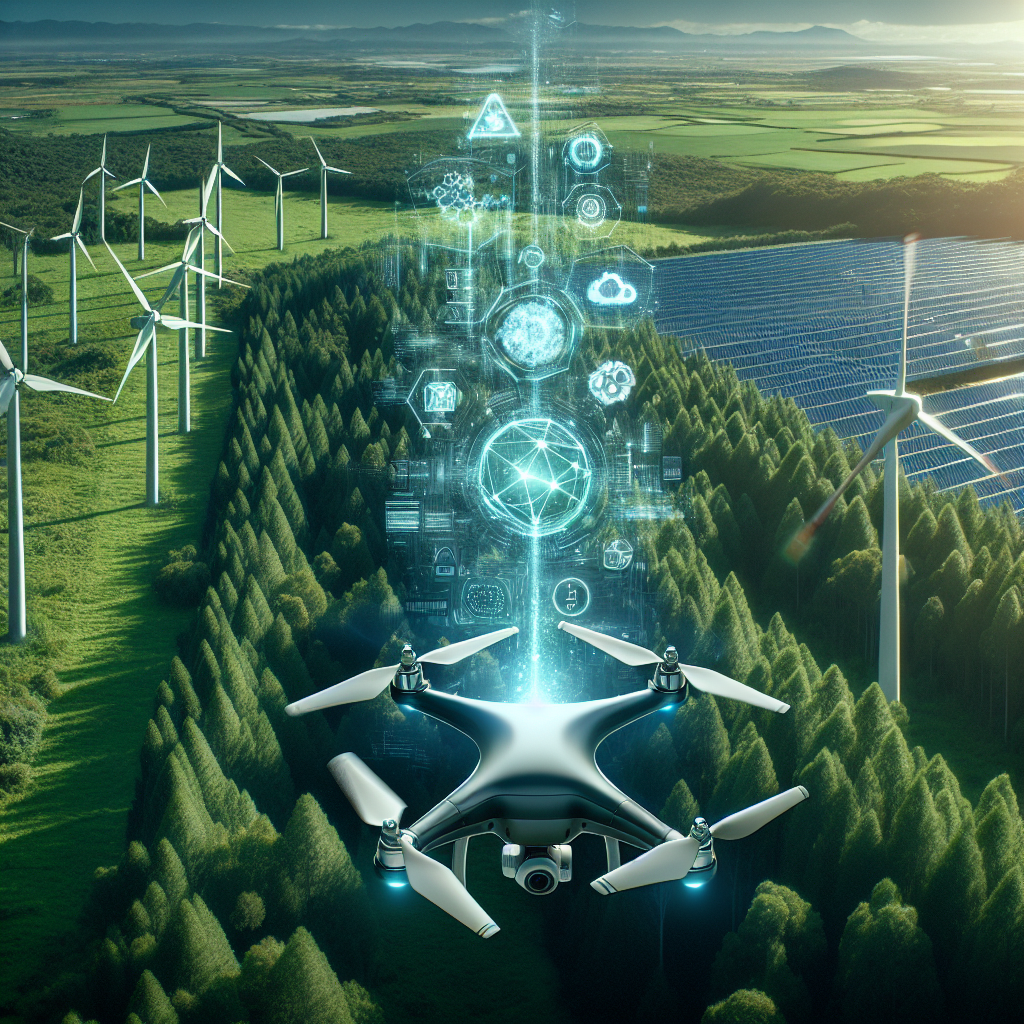
Artificial Intelligence (AI) has become a powerful tool in various industries, revolutionizing the way we work, live, and interact with the world. In recent years, AI has also been increasingly used in environmental conservation and sustainable development efforts. From monitoring wildlife populations to predicting natural disasters, AI has the potential to make significant contributions to protecting our planet and promoting sustainable practices.
Implementing AI deployment in environmental conservation and sustainable development requires a strategic approach that considers the unique challenges and opportunities in this field. By leveraging AI technologies, organizations and governments can improve decision-making, optimize resource allocation, and create innovative solutions to complex environmental problems. In this article, we will explore the benefits of using AI in environmental conservation and sustainable development, as well as the challenges and considerations that come with implementing AI deployment in this context.
Benefits of Using AI in Environmental Conservation and Sustainable Development
There are several key benefits to using AI in environmental conservation and sustainable development. Some of the most significant advantages include:
1. Improved Data Collection and Analysis: AI technologies can help collect and analyze vast amounts of data from various sources, including satellite imagery, sensors, and social media. This data can provide valuable insights into environmental trends, biodiversity loss, and climate change impacts, enabling more informed decision-making and policy development.
2. Enhanced Monitoring and Surveillance: AI-powered drones and cameras can be used to monitor wildlife populations, track illegal logging and poaching activities, and detect environmental hazards in real-time. This can help conservationists and law enforcement agencies respond quickly to threats and protect endangered species and ecosystems.
3. Predictive Modeling and Forecasting: AI algorithms can analyze historical data to predict future environmental trends, such as deforestation rates, sea level rise, and extreme weather events. This information can help policymakers and stakeholders plan for potential risks and develop proactive strategies to mitigate their impact on communities and ecosystems.
4. Adaptive Resource Management: AI systems can optimize resource allocation and management practices by identifying inefficiencies, predicting demand, and recommending cost-effective solutions. This can help organizations reduce waste, improve energy efficiency, and promote sustainable practices in their operations.
5. Innovation and Collaboration: AI technologies can foster collaboration between scientists, researchers, and policymakers by facilitating data sharing, knowledge exchange, and interdisciplinary research. This can lead to the development of new tools, techniques, and solutions for addressing complex environmental challenges.
Challenges and Considerations in Implementing AI Deployment
While the benefits of using AI in environmental conservation and sustainable development are clear, there are also several challenges and considerations that organizations and governments must address when implementing AI deployment in this context. Some of the key challenges include:
1. Data Quality and Bias: AI models are only as good as the data they are trained on. Ensuring the quality and diversity of data used in environmental conservation projects is crucial to avoiding biases and inaccuracies that could lead to erroneous conclusions or decisions. Organizations must carefully curate and validate their datasets to ensure that AI algorithms produce reliable and unbiased results.
2. Ethical and Privacy Concerns: AI technologies raise ethical and privacy concerns related to data collection, surveillance, and decision-making. Organizations must consider how AI deployments may impact human rights, indigenous communities, and marginalized populations, and implement safeguards to protect individual privacy and autonomy.
3. Technical Complexity and Expertise: Implementing AI deployment in environmental conservation requires specialized technical expertise and resources, including data scientists, programmers, and engineers. Organizations may need to invest in training and capacity-building initiatives to build internal capabilities and ensure the successful integration of AI technologies into their operations.
4. Regulatory and Legal Frameworks: AI technologies are subject to regulatory and legal frameworks that govern data privacy, intellectual property rights, and ethical standards. Organizations must comply with relevant laws and regulations to avoid legal risks and liabilities associated with AI deployment in environmental conservation and sustainable development projects.
5. Cost and Sustainability: Implementing AI deployment can be costly, requiring significant investments in hardware, software, and infrastructure. Organizations must carefully assess the long-term sustainability and return on investment of AI projects to ensure that they align with their financial and environmental goals.
Frequently Asked Questions (FAQs)
Q: How can AI technologies help address climate change and promote sustainable development?
A: AI technologies can help address climate change and promote sustainable development by analyzing data, predicting future trends, optimizing resource management, and facilitating collaboration between stakeholders. AI-powered solutions can help organizations reduce their carbon footprint, improve energy efficiency, and develop innovative strategies for mitigating the impact of climate change on communities and ecosystems.
Q: What are some examples of AI applications in environmental conservation?
A: Some examples of AI applications in environmental conservation include using drones to monitor wildlife populations, analyzing satellite imagery to track deforestation rates, and developing predictive models to forecast extreme weather events. AI technologies can also be used to identify invasive species, map biodiversity hotspots, and detect pollution sources in water bodies.
Q: How can organizations ensure the ethical use of AI in environmental conservation projects?
A: Organizations can ensure the ethical use of AI in environmental conservation projects by conducting ethical impact assessments, engaging with stakeholders, and implementing transparency and accountability measures. Organizations should also adhere to ethical guidelines and best practices developed by industry associations, research institutions, and regulatory bodies to promote responsible AI deployment in environmental conservation and sustainable development efforts.
In conclusion, implementing AI deployment in environmental conservation and sustainable development requires a strategic approach that considers the benefits, challenges, and considerations associated with using AI technologies in this context. By leveraging AI technologies, organizations and governments can improve decision-making, optimize resource allocation, and create innovative solutions to complex environmental problems. With careful planning and collaboration, AI has the potential to make a significant impact on protecting our planet and promoting sustainable practices for future generations.