
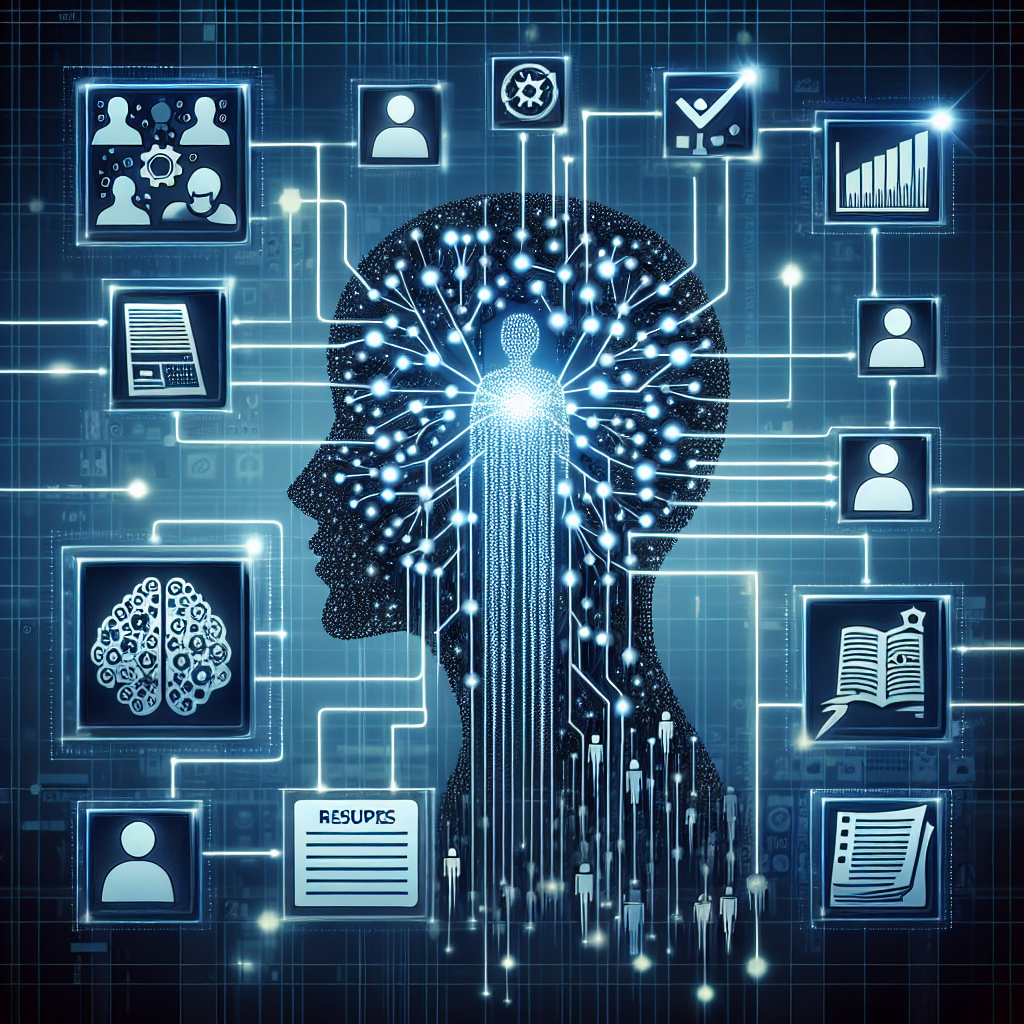
Implementing AI Deployment in Human Resources
The use of artificial intelligence (AI) in human resources is becoming increasingly popular as companies seek to streamline their processes, improve efficiency, and enhance the overall employee experience. AI technology has the potential to revolutionize the way HR functions operate, from recruitment and onboarding to training and performance evaluation. In this article, we will explore the benefits of implementing AI deployment in human resources and discuss how companies can effectively integrate this technology into their HR systems.
Benefits of Implementing AI Deployment in Human Resources
1. Improved Recruitment Process: AI can help automate the recruitment process by analyzing resumes, identifying qualified candidates, and even conducting initial screenings. This can save HR professionals valuable time and resources, allowing them to focus on more strategic tasks.
2. Enhanced Candidate Experience: AI-powered chatbots can provide candidates with real-time information about job openings, company culture, and application status. This can help improve the overall candidate experience and increase the likelihood of attracting top talent.
3. Personalized Learning and Development: AI can help create personalized learning paths for employees based on their skills, experience, and career goals. This can lead to more effective training programs and better employee performance.
4. Predictive Analytics: AI can analyze large amounts of data to identify trends and patterns that can help HR professionals make more informed decisions. For example, AI can predict which employees are at risk of leaving the company and provide recommendations on how to retain them.
5. Improved Employee Engagement: AI can help HR professionals better understand employee sentiment and engagement levels through sentiment analysis and surveys. This can help identify areas for improvement and create a more positive work environment.
How to Implement AI Deployment in Human Resources
1. Identify Pain Points: Before implementing AI in HR, it is important to identify the specific pain points that the technology can help address. This could include streamlining the recruitment process, improving employee engagement, or enhancing training programs.
2. Choose the Right AI Solution: There are many AI solutions available for HR, ranging from chatbots and virtual assistants to predictive analytics tools. It is important to choose a solution that aligns with your organization’s goals and objectives.
3. Train HR Professionals: In order to successfully implement AI in HR, it is important to train HR professionals on how to use the technology effectively. This could include providing training on how to interpret data, use AI tools, and leverage AI insights to make informed decisions.
4. Monitor and Evaluate Performance: Once AI deployment is in place, it is important to monitor and evaluate its performance to ensure that it is delivering the desired results. This could involve tracking key performance indicators, conducting employee surveys, and gathering feedback from HR professionals.
5. Continuously Improve: AI technology is constantly evolving, so it is important to continuously improve and adapt your AI deployment in HR. This could involve updating AI algorithms, integrating new features, and exploring new use cases for the technology.
FAQs
Q: Will AI replace HR professionals?
A: While AI can automate certain tasks and processes in HR, it is unlikely to replace HR professionals entirely. AI technology can help HR professionals perform their jobs more efficiently and effectively, but human judgment and decision-making are still essential in many HR functions.
Q: Is AI deployment in HR expensive?
A: The cost of implementing AI in HR can vary depending on the size of the organization, the complexity of the AI solution, and the level of customization required. While there may be upfront costs associated with AI deployment, the long-term benefits of improved efficiency and productivity can outweigh the initial investment.
Q: How can AI help improve diversity and inclusion in the workplace?
A: AI can help improve diversity and inclusion in the workplace by removing biases from the recruitment process, promoting equal opportunities for all candidates, and identifying areas for improvement in diversity initiatives. AI can also help monitor and track diversity metrics to ensure that organizations are meeting their diversity goals.
Q: What are the potential risks of implementing AI in HR?
A: Some potential risks of implementing AI in HR include data privacy concerns, algorithmic bias, and the potential for job displacement. It is important for organizations to carefully consider these risks and implement safeguards to mitigate them, such as ensuring data security, conducting regular audits of AI algorithms, and providing training for HR professionals on how to use AI technology responsibly.
In conclusion, implementing AI deployment in human resources can offer numerous benefits, from streamlining recruitment processes to improving employee engagement and performance. By carefully selecting the right AI solution, training HR professionals on how to use the technology effectively, and continuously monitoring and evaluating performance, organizations can successfully integrate AI into their HR systems and drive positive outcomes for both employees and the company as a whole.