
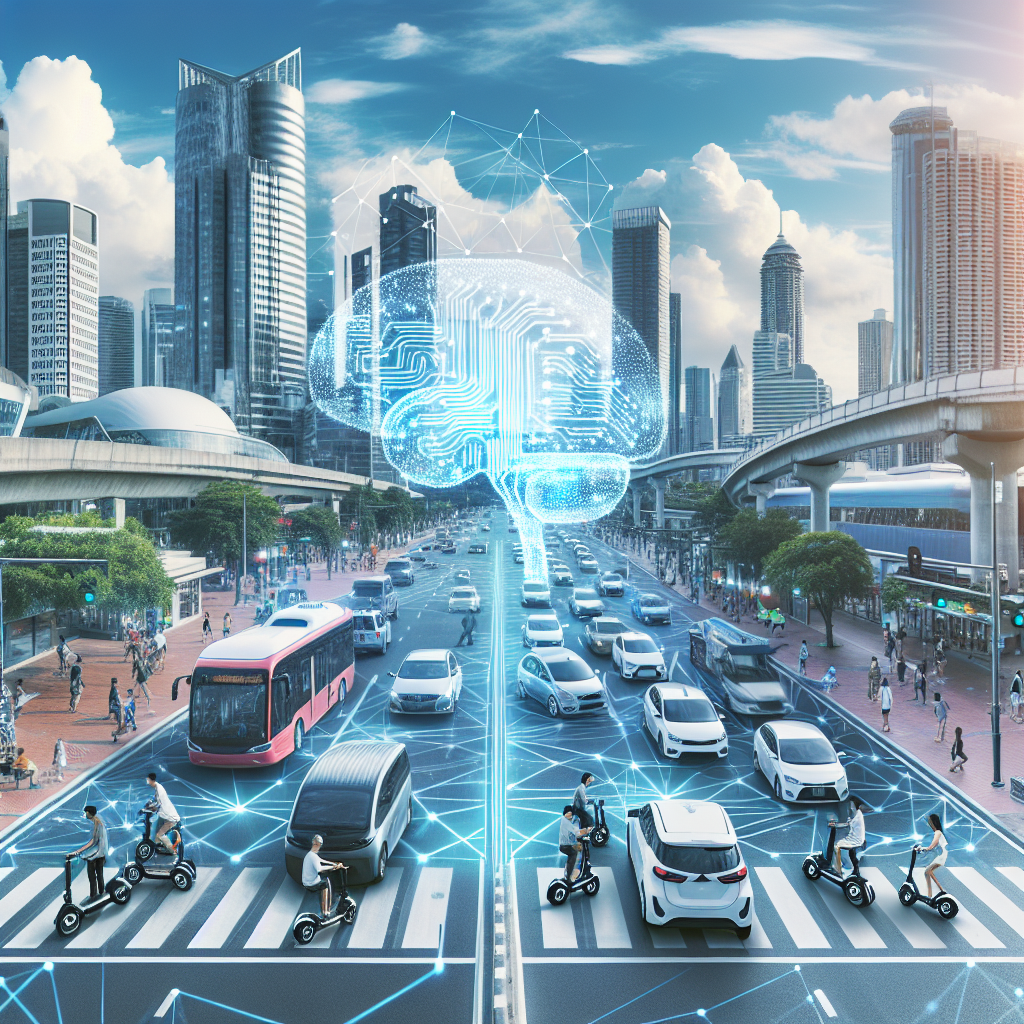
With the rise of technology and the increasing demand for efficient transportation solutions, implementing AI deployment in transportation and urban mobility has become a crucial aspect of modern city planning. Artificial intelligence (AI) has the potential to revolutionize the way we move around cities, making transportation systems more efficient, safe, and sustainable. In this article, we will explore the benefits of AI deployment in transportation and urban mobility, as well as the challenges and considerations that come with it.
Benefits of AI Deployment in Transportation and Urban Mobility
1. Improved Traffic Management: One of the key benefits of AI deployment in transportation is its ability to optimize traffic flow and reduce congestion. AI-powered traffic management systems can analyze real-time data from sensors, cameras, and other sources to dynamically adjust traffic signals, reroute vehicles, and manage traffic flow more efficiently.
2. Enhance Safety: AI can also improve safety on the roads by detecting and responding to potential hazards in real-time. For example, AI-powered systems can analyze video feeds from traffic cameras to identify dangerous situations, such as accidents or pedestrians crossing the road, and alert authorities or drivers to take action.
3. Increase Efficiency: AI deployment in transportation can help to optimize route planning, reduce travel times, and minimize fuel consumption. AI algorithms can analyze data on traffic patterns, weather conditions, and other factors to recommend the most efficient routes for vehicles, reducing both travel times and emissions.
4. Enhance Public Transportation: AI can also improve the efficiency and reliability of public transportation systems. AI-powered systems can analyze data on passenger demand, traffic conditions, and vehicle availability to optimize routes, schedules, and capacity, making public transportation more convenient and accessible for passengers.
5. Sustainable Transportation: AI can play a crucial role in promoting sustainable transportation solutions, such as electric vehicles and shared mobility services. AI-powered systems can help to optimize the deployment of electric vehicles, manage charging infrastructure, and promote the use of shared mobility services, reducing emissions and promoting a more sustainable urban mobility ecosystem.
Challenges and Considerations
While the benefits of AI deployment in transportation and urban mobility are clear, there are also challenges and considerations that need to be addressed in order to realize its full potential.
1. Data Privacy and Security: AI-powered transportation systems rely on vast amounts of data, including personal information about passengers and drivers. Ensuring the privacy and security of this data is crucial to building trust in AI-powered transportation solutions. Governments and companies need to implement robust data privacy and security measures to protect sensitive information and comply with regulations.
2. Infrastructure Requirements: Implementing AI deployment in transportation requires significant investment in infrastructure, including sensors, cameras, communication networks, and computing resources. Cities and transportation authorities need to plan and budget for these infrastructure requirements to ensure the successful implementation of AI-powered transportation systems.
3. Regulatory and Legal Challenges: The deployment of AI in transportation raises regulatory and legal challenges, including issues related to liability, accountability, and governance. Governments need to develop clear regulations and guidelines for the use of AI in transportation, addressing concerns such as data privacy, algorithm transparency, and ethical considerations.
4. Integration and Interoperability: AI-powered transportation systems need to be integrated with existing infrastructure and technologies, such as traffic signals, public transportation systems, and autonomous vehicles. Ensuring interoperability between different systems is crucial to realizing the full potential of AI deployment in transportation and urban mobility.
5. Public Acceptance and Trust: Building public acceptance and trust in AI-powered transportation solutions is essential for their successful implementation. Cities and transportation authorities need to engage with the public, communicate the benefits of AI deployment, and address concerns related to privacy, safety, and equity to ensure widespread adoption of AI-powered transportation systems.
FAQs
Q: What is AI deployment in transportation and urban mobility?
A: AI deployment in transportation and urban mobility refers to the use of artificial intelligence technologies, such as machine learning, computer vision, and data analytics, to optimize transportation systems, improve traffic management, enhance safety, and promote sustainable mobility solutions in cities.
Q: How does AI deployment improve traffic management?
A: AI-powered traffic management systems can analyze real-time data from sensors, cameras, and other sources to optimize traffic flow, reduce congestion, and improve safety on the roads. AI algorithms can dynamically adjust traffic signals, reroute vehicles, and manage traffic flow more efficiently, leading to reduced travel times and emissions.
Q: What are the benefits of AI deployment in transportation?
A: The benefits of AI deployment in transportation include improved traffic management, enhanced safety, increased efficiency, enhanced public transportation, and promotion of sustainable transportation solutions. AI can help to optimize route planning, reduce travel times, and minimize fuel consumption, making transportation systems more efficient and sustainable.
Q: What are the challenges of implementing AI deployment in transportation?
A: The challenges of implementing AI deployment in transportation include data privacy and security concerns, infrastructure requirements, regulatory and legal challenges, integration and interoperability issues, and public acceptance and trust. Governments and companies need to address these challenges to ensure the successful implementation of AI-powered transportation systems.
In conclusion, implementing AI deployment in transportation and urban mobility has the potential to revolutionize the way we move around cities, making transportation systems more efficient, safe, and sustainable. While there are challenges and considerations that need to be addressed, the benefits of AI deployment in transportation are clear, and cities and transportation authorities need to embrace AI technologies to build smarter, more efficient, and more sustainable transportation systems for the future.