
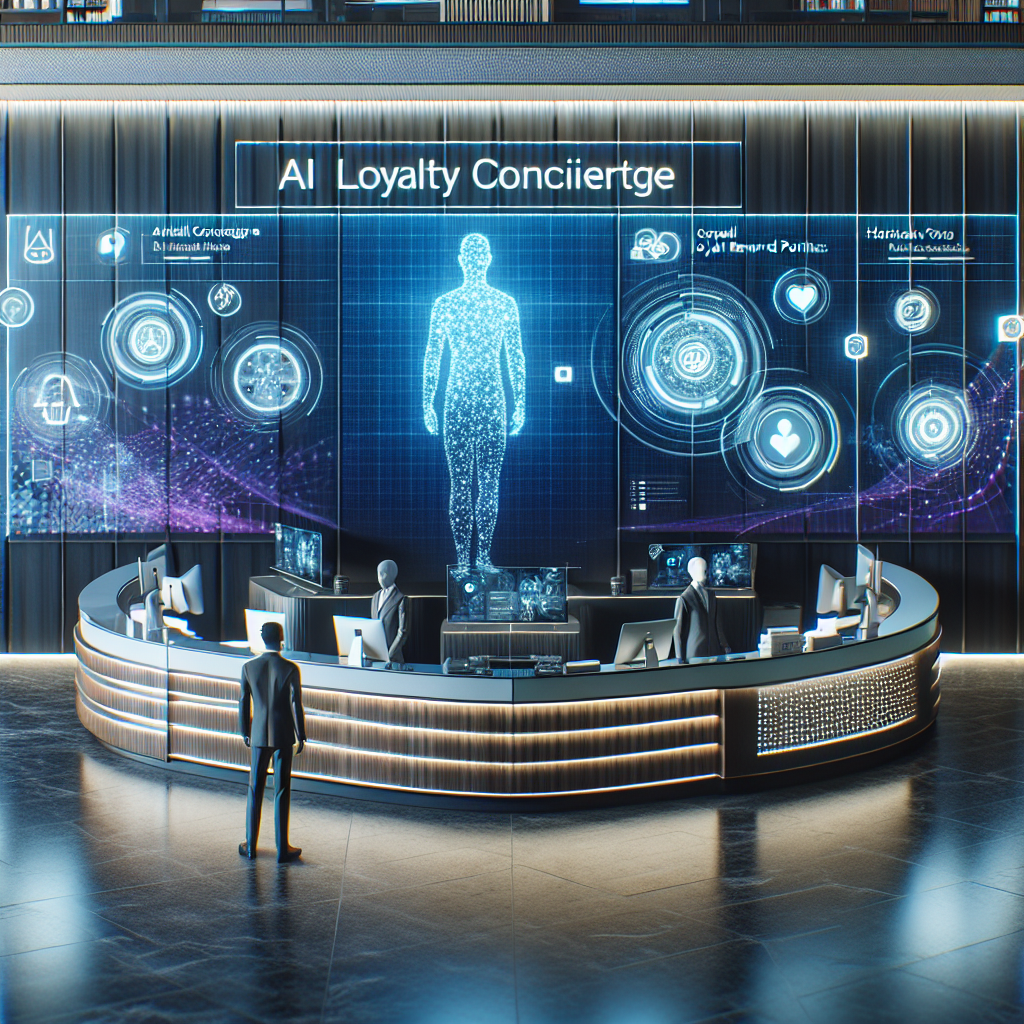
In today’s competitive hospitality industry, hotels are constantly looking for innovative ways to attract and retain guests. One effective strategy that has gained popularity in recent years is the implementation of AI-driven loyalty programs. These programs utilize artificial intelligence technology to personalize the guest experience, increase customer satisfaction, and ultimately drive repeat business.
Implementing AI-driven loyalty programs in hotels can provide a wide range of benefits for both guests and hoteliers. From personalized recommendations to streamlined booking processes, AI technology can revolutionize the way hotels engage with their customers. In this article, we will explore the key advantages of implementing AI-driven loyalty programs in hotels, as well as provide insights on how to successfully integrate this technology into your hotel’s operations.
Benefits of AI-driven Loyalty Programs in Hotels
1. Personalization: One of the key benefits of AI-driven loyalty programs is the ability to provide personalized experiences for guests. By analyzing guest data and preferences, AI technology can recommend tailored offers, room upgrades, and amenities that are most likely to appeal to each individual guest. This level of personalization can significantly enhance the guest experience and increase customer satisfaction.
2. Improved Customer Engagement: AI-driven loyalty programs enable hotels to engage with guests in a more meaningful way. By sending personalized messages, offers, and recommendations through various channels such as email, SMS, and mobile apps, hotels can create a stronger connection with their guests and encourage them to return. This increased engagement can lead to higher customer loyalty and retention rates.
3. Enhanced Guest Services: AI technology can also be used to streamline guest services and improve operational efficiency. For example, AI-powered chatbots can assist guests with booking inquiries, room service requests, and other customer service issues, reducing the workload on hotel staff and providing a faster response time for guests. This can help hotels deliver a seamless and hassle-free experience for their guests.
4. Data-driven Insights: By collecting and analyzing guest data, AI-driven loyalty programs can provide hotels with valuable insights into guest behavior, preferences, and booking patterns. This data can be used to optimize marketing campaigns, pricing strategies, and room inventory management, helping hotels make more informed decisions that drive revenue and profitability.
5. Competitive Advantage: In today’s digital age, hotels that leverage AI technology to enhance their loyalty programs can gain a competitive edge over their rivals. By offering personalized experiences, superior customer service, and innovative features, hotels can differentiate themselves from the competition and attract more guests to their properties.
How to Implement AI-driven Loyalty Programs in Hotels
1. Define Your Objectives: Before implementing an AI-driven loyalty program, it’s important to clearly define your objectives and goals. Determine what you hope to achieve with the program, whether it’s increasing customer loyalty, driving repeat business, or improving guest satisfaction. This will help guide your decision-making process and ensure that the program aligns with your overall business strategy.
2. Choose the Right Technology Partner: When selecting an AI technology partner for your loyalty program, it’s essential to choose a reputable vendor with experience in the hospitality industry. Look for a partner that offers a comprehensive suite of AI solutions, including personalized recommendations, predictive analytics, and automated marketing tools. Consider factors such as scalability, integration capabilities, and customer support when evaluating potential partners.
3. Collect and Analyze Guest Data: To create personalized experiences for your guests, you’ll need to collect and analyze relevant guest data. This includes information such as booking history, preferences, demographics, and spending habits. By leveraging AI technology to process this data, you can gain valuable insights into guest behavior and tailor your loyalty program to meet their individual needs.
4. Implement Personalization Features: Once you have collected guest data, you can use AI technology to implement personalized features in your loyalty program. This may include personalized offers, targeted promotions, and customized recommendations based on each guest’s preferences. By providing a personalized experience, you can increase guest engagement and loyalty.
5. Monitor and Optimize Performance: After launching your AI-driven loyalty program, it’s important to monitor its performance and make adjustments as needed. Use key performance indicators (KPIs) such as customer retention rates, average spend per guest, and customer satisfaction scores to track the program’s effectiveness. Analyze data on a regular basis to identify areas for improvement and optimize your program for maximum results.
Frequently Asked Questions (FAQs)
Q: How can AI technology help hotels improve customer loyalty?
A: AI technology can help hotels improve customer loyalty by providing personalized experiences, enhancing customer engagement, and delivering superior guest services. By analyzing guest data and preferences, AI-driven loyalty programs can recommend tailored offers, room upgrades, and amenities that are most likely to appeal to each individual guest. This level of personalization can significantly enhance the guest experience and increase customer satisfaction, leading to higher customer loyalty and retention rates.
Q: What are some common challenges hotels may face when implementing AI-driven loyalty programs?
A: Some common challenges that hotels may face when implementing AI-driven loyalty programs include data privacy concerns, integration issues with existing systems, and staff training requirements. Hotels must ensure that they comply with data protection regulations and safeguard guest information when collecting and analyzing data for their loyalty programs. Additionally, integrating AI technology with existing systems and training staff to use new tools effectively can require time and resources.
Q: How can hotels measure the success of their AI-driven loyalty programs?
A: Hotels can measure the success of their AI-driven loyalty programs by tracking key performance indicators (KPIs) such as customer retention rates, average spend per guest, and customer satisfaction scores. By analyzing these metrics on a regular basis, hotels can evaluate the impact of their loyalty programs and make data-driven decisions to optimize performance. Additionally, hotels can conduct guest surveys, feedback forms, and reviews to gather qualitative insights on the effectiveness of their loyalty programs.
Q: What are some best practices for hotels looking to implement AI-driven loyalty programs?
A: Some best practices for hotels looking to implement AI-driven loyalty programs include defining clear objectives, choosing the right technology partner, collecting and analyzing guest data, implementing personalization features, and monitoring and optimizing performance. By following these best practices, hotels can successfully leverage AI technology to enhance their loyalty programs, drive customer loyalty, and achieve their business goals.
In conclusion, implementing AI-driven loyalty programs in hotels can provide a wide range of benefits for both guests and hoteliers. From personalized experiences to enhanced customer engagement, AI technology can revolutionize the way hotels interact with their customers and drive repeat business. By following best practices and choosing the right technology partner, hotels can successfully integrate AI technology into their operations and create a competitive advantage in the marketplace.