
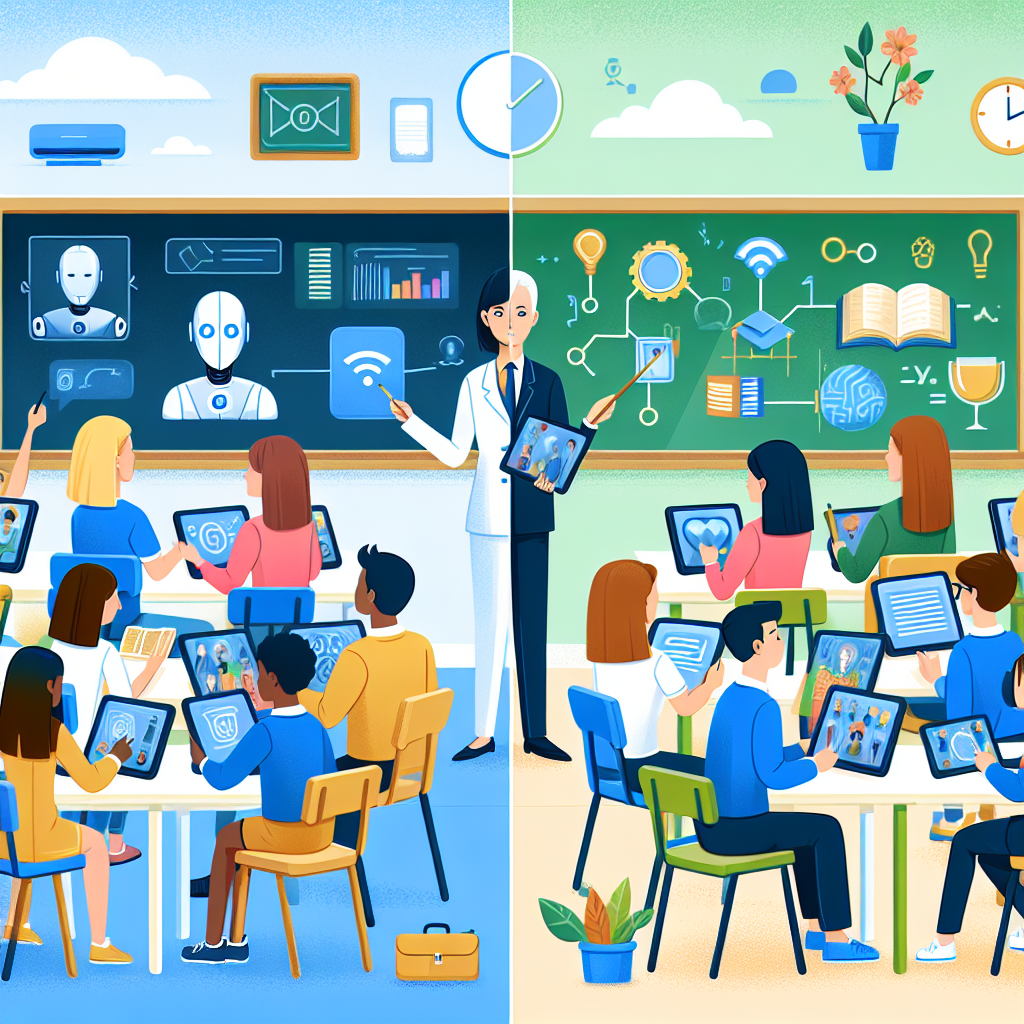
With the rapid advancements in technology, artificial intelligence (AI) is becoming more prevalent in various aspects of our lives, including education. Implementing AI in the classroom has the potential to revolutionize the way students learn and teachers teach. However, like any new technology, there are both benefits and challenges to consider when integrating AI into educational settings.
Benefits of Implementing AI in the Classroom:
1. Personalized Learning: AI algorithms can analyze individual student data and learning patterns to create personalized learning experiences. This can help students progress at their own pace and focus on areas where they need the most help.
2. Improved Student Engagement: AI tools can make learning more interactive and engaging for students. For example, virtual reality simulations or chatbots can provide students with immersive learning experiences that make learning more fun and interesting.
3. Enhanced Teacher Support: AI can assist teachers in various ways, such as grading assignments, providing feedback on student performance, and even generating lesson plans. This can help teachers save time and focus on more meaningful interactions with their students.
4. Accessibility: AI tools can help make education more accessible to all students, including those with disabilities or learning difficulties. For example, AI-powered speech recognition software can help students with dyslexia or other reading disabilities.
5. Data-Driven Insights: AI can analyze large amounts of data to provide valuable insights to teachers and administrators. This can help identify areas where students are struggling and make data-driven decisions to improve educational outcomes.
Challenges of Implementing AI in the Classroom:
1. Cost: Implementing AI in the classroom can be expensive, especially for schools with limited budgets. This may prevent some schools from adopting AI technology, leaving students at a disadvantage.
2. Privacy Concerns: AI tools collect and analyze large amounts of data, raising concerns about student privacy and data security. Schools must ensure that they have proper protocols in place to protect student data and comply with privacy regulations.
3. Bias and Fairness: AI algorithms can be biased if they are trained on data that is not representative of all students. This can result in unfair outcomes, such as providing personalized learning experiences that are not equitable for all students.
4. Lack of Training: Teachers may not have the necessary training to effectively use AI tools in the classroom. Schools must invest in professional development programs to help teachers integrate AI technology into their teaching practices.
5. Overreliance on Technology: There is a risk of overreliance on AI technology, which may lead to a decrease in human interactions and critical thinking skills. It is important for schools to strike a balance between using AI tools and fostering traditional teaching methods.
FAQs about Implementing AI in the Classroom:
1. What types of AI tools can be used in the classroom?
There are various AI tools that can be used in the classroom, including virtual reality simulations, chatbots, personalized learning platforms, and data analytics software.
2. How can AI help improve student learning outcomes?
AI can help improve student learning outcomes by providing personalized learning experiences, enhancing student engagement, and assisting teachers in providing targeted support to students.
3. What are some best practices for integrating AI into educational settings?
Some best practices for integrating AI into educational settings include providing teacher training, ensuring student data privacy, promoting equity and fairness, and using AI tools to complement traditional teaching methods.
4. How can schools address the challenges of implementing AI in the classroom?
Schools can address the challenges of implementing AI in the classroom by investing in proper training for teachers, establishing clear protocols for data privacy, and promoting a balanced approach to using AI technology.
5. What are some examples of successful implementation of AI in the classroom?
There are many examples of successful implementation of AI in the classroom, such as using AI-powered tutoring systems to help students improve their math skills or using chatbots to provide real-time feedback to students on their writing assignments.
In conclusion, implementing AI in the classroom has the potential to transform the way students learn and teachers teach. While there are challenges to consider, the benefits of using AI technology in educational settings are clear. By addressing the challenges and leveraging the benefits of AI, schools can provide students with engaging, personalized, and effective learning experiences that prepare them for success in the digital age.