
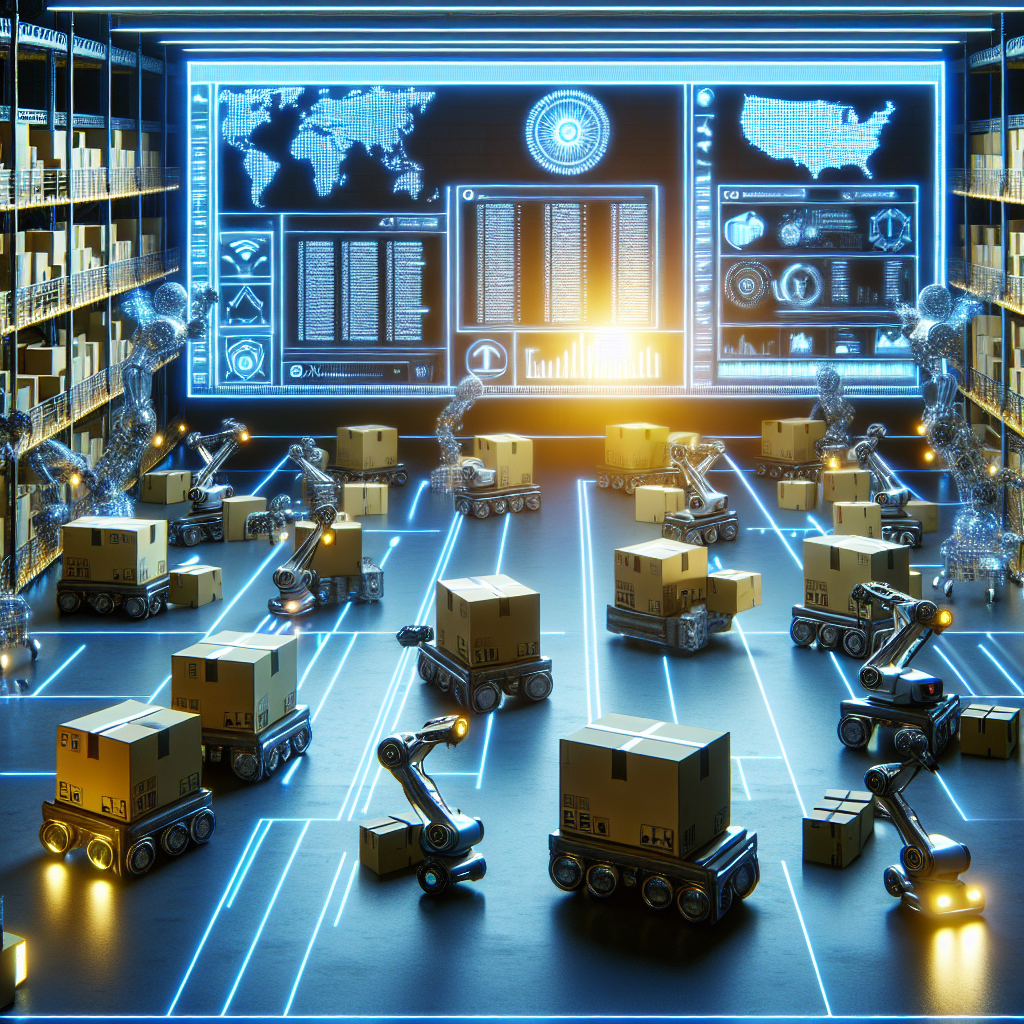
In today’s fast-paced retail environment, order fulfillment plays a crucial role in ensuring customer satisfaction and loyalty. With the rise of e-commerce and online shopping, customers now expect fast and accurate order processing and delivery. This is where artificial intelligence (AI) comes into play, offering retailers a powerful tool to streamline and improve their order fulfillment processes.
AI technology has the ability to analyze vast amounts of data in real-time, enabling retailers to make faster and more accurate decisions when it comes to order fulfillment. From predicting demand and optimizing inventory levels to route optimization and fraud detection, AI can help retailers improve efficiency and reduce costs throughout the entire order fulfillment process.
One of the key areas where AI can make a significant impact on order fulfillment is in demand forecasting. By analyzing historical sales data, seasonal trends, and other relevant factors, AI algorithms can predict future demand with a high degree of accuracy. This allows retailers to plan their inventory levels more effectively, reducing the risk of stockouts or overstocking.
AI can also help retailers optimize their inventory management processes. By analyzing factors such as lead times, order frequency, and supplier performance, AI algorithms can recommend the optimal reorder points and quantities for each product. This can help retailers reduce carrying costs and improve cash flow, while ensuring that they always have the right amount of stock on hand to fulfill customer orders.
Route optimization is another area where AI can make a big difference in order fulfillment. By analyzing factors such as traffic conditions, delivery windows, and order volumes, AI algorithms can optimize delivery routes to minimize travel time and reduce costs. This can help retailers improve their on-time delivery rates and customer satisfaction, while also reducing their carbon footprint by reducing the number of miles driven.
AI can also play a key role in fraud detection and prevention in order fulfillment. By analyzing transaction data and customer behavior patterns, AI algorithms can identify suspicious activity and flag potentially fraudulent orders for further review. This can help retailers reduce the risk of chargebacks and other fraud-related losses, while also protecting their reputation and brand image.
Overall, AI has the potential to revolutionize the way retailers approach order fulfillment. By leveraging the power of AI technology, retailers can improve efficiency, reduce costs, and enhance the overall customer experience. As AI continues to evolve and become more sophisticated, the possibilities for improving order fulfillment are virtually limitless.
FAQs:
Q: How can AI help retailers improve their order fulfillment processes?
A: AI can help retailers improve their order fulfillment processes in a variety of ways, including demand forecasting, inventory management, route optimization, and fraud detection.
Q: What are some of the benefits of using AI in order fulfillment?
A: Some of the benefits of using AI in order fulfillment include improved efficiency, reduced costs, faster decision-making, and enhanced customer satisfaction.
Q: Is AI technology expensive to implement for order fulfillment?
A: While implementing AI technology for order fulfillment may require an initial investment, the long-term benefits in terms of cost savings and efficiency improvements can far outweigh the upfront costs.
Q: How can retailers get started with implementing AI for order fulfillment?
A: Retailers can get started with implementing AI for order fulfillment by partnering with a technology provider that specializes in AI solutions for the retail industry. They can also invest in training for their employees to ensure they are comfortable with the new technology.
Q: What are some of the challenges retailers may face when implementing AI for order fulfillment?
A: Some of the challenges retailers may face when implementing AI for order fulfillment include data privacy concerns, integration with existing systems, and resistance to change from employees. However, with proper planning and communication, these challenges can be overcome.