
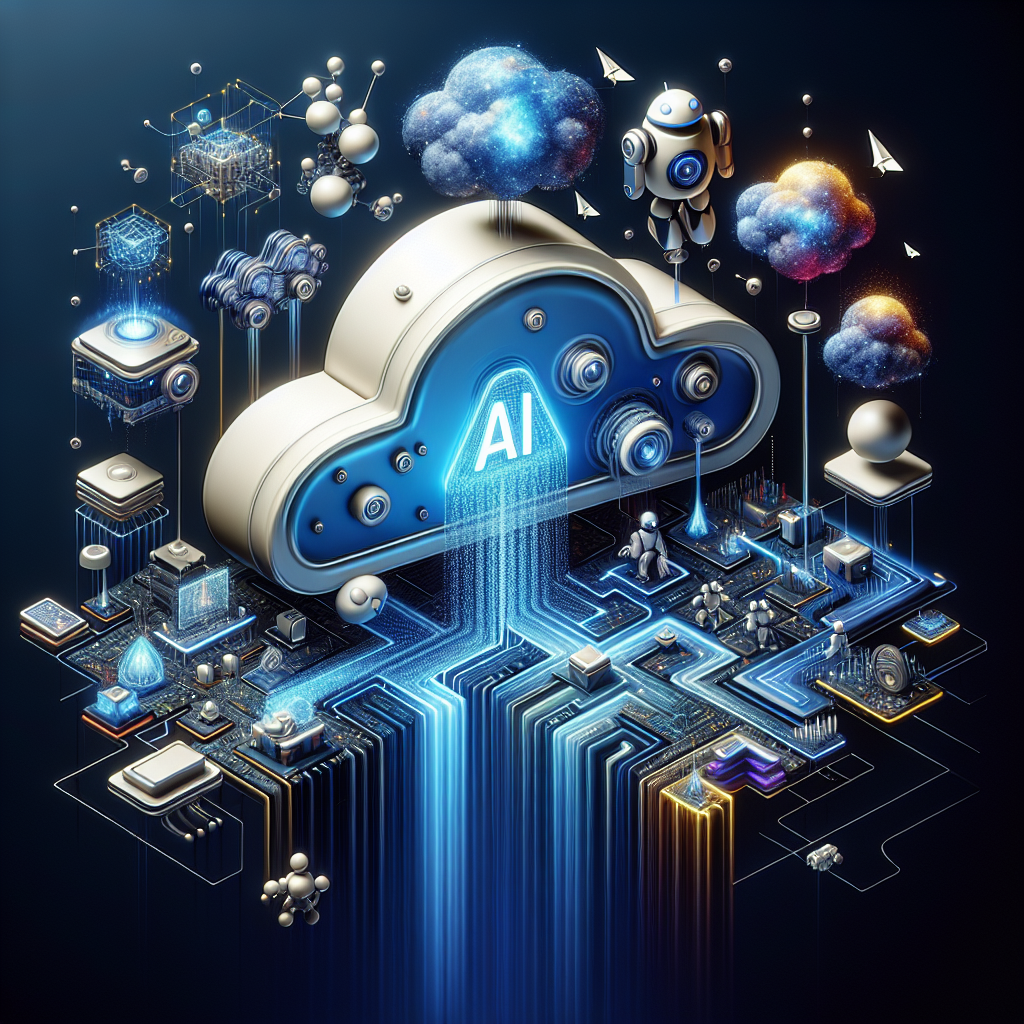
Artificial Intelligence (AI) is revolutionizing the way we interact with technology, and one of the areas where this innovation is most pronounced is in cloud computing platforms. By integrating AI into cloud computing, organizations can enhance their capabilities, improve efficiency, and unlock new possibilities for innovation. In this article, we will explore the benefits of integrating AI into cloud computing platforms, the challenges and considerations that organizations must address, and the future outlook for this exciting technology.
Benefits of Integrating AI into Cloud Computing Platforms
There are numerous benefits to integrating AI into cloud computing platforms, including:
1. Improved Efficiency: AI can automate routine tasks, optimize resource allocation, and streamline processes, leading to increased efficiency and cost savings for organizations.
2. Enhanced Security: AI-powered tools can help organizations detect and mitigate security threats in real-time, improving overall cybersecurity posture and reducing the risk of data breaches.
3. Enhanced Data Analytics: AI algorithms can analyze large volumes of data quickly and accurately, providing organizations with valuable insights that can inform decision-making and drive business growth.
4. Personalized User Experiences: By leveraging AI, organizations can deliver personalized user experiences tailored to individual preferences and behaviors, leading to increased customer satisfaction and loyalty.
5. Scalability: AI can help organizations scale their operations quickly and efficiently, allowing them to adapt to changing market conditions and meet growing customer demand.
Challenges and Considerations
While the benefits of integrating AI into cloud computing platforms are clear, organizations must also consider the challenges and potential risks associated with this technology. Some of the key considerations include:
1. Data Privacy and Security: AI algorithms rely on large amounts of data to function effectively, raising concerns about data privacy and security. Organizations must ensure that sensitive data is protected and comply with relevant regulations and standards.
2. Skills Gap: Integrating AI into cloud computing platforms requires specialized skills and expertise. Organizations may need to invest in training and development programs to build a workforce capable of implementing and managing AI technologies.
3. Ethical Considerations: AI algorithms can inadvertently perpetuate biases and discrimination if not carefully designed and implemented. Organizations must consider the ethical implications of using AI in cloud computing platforms and take steps to mitigate potential risks.
4. Integration Complexity: Integrating AI into existing cloud computing platforms can be complex and time-consuming. Organizations must carefully plan and execute their integration strategy to ensure a smooth and successful transition.
Future Outlook
The integration of AI into cloud computing platforms is still in its early stages, but the potential for growth and innovation is vast. As AI technologies continue to advance and mature, we can expect to see even greater integration and adoption in the cloud computing space. Some of the key trends shaping the future of AI in cloud computing include:
1. Edge Computing: AI-powered edge computing technologies are enabling organizations to process data closer to the source, reducing latency and improving real-time decision-making capabilities.
2. Hybrid Cloud Environments: Organizations are increasingly adopting hybrid cloud environments that combine on-premises infrastructure with public and private cloud services. AI technologies will play a crucial role in optimizing and managing these complex environments.
3. Autonomous Cloud Operations: AI-powered tools are automating routine tasks and optimizing cloud infrastructure, leading to more efficient and reliable operations. Organizations can expect to see increased automation and autonomy in cloud management processes.
4. Industry-Specific Solutions: AI technologies are being tailored to meet the unique needs and challenges of specific industries, such as healthcare, finance, and manufacturing. Organizations can leverage industry-specific AI solutions to drive innovation and competitive advantage.
FAQs
Q: What are some common use cases for AI in cloud computing platforms?
A: Some common use cases for AI in cloud computing platforms include predictive analytics, natural language processing, image recognition, and anomaly detection. Organizations can use these AI-powered tools to automate tasks, improve decision-making, and enhance user experiences.
Q: How can organizations ensure the ethical use of AI in cloud computing platforms?
A: Organizations can ensure the ethical use of AI in cloud computing platforms by implementing transparent and accountable AI algorithms, conducting regular audits and reviews of AI systems, and promoting diversity and inclusion in AI development teams.
Q: What are some best practices for integrating AI into cloud computing platforms?
A: Some best practices for integrating AI into cloud computing platforms include defining clear objectives and use cases, building a diverse and skilled workforce, collaborating with AI vendors and partners, and continuously monitoring and optimizing AI algorithms.
In conclusion, integrating AI into cloud computing platforms offers numerous benefits for organizations looking to enhance their capabilities and drive innovation. By carefully considering the challenges and opportunities associated with this technology, organizations can harness the power of AI to optimize their cloud infrastructure, improve efficiency, and unlock new possibilities for growth and success. As AI technologies continue to evolve and mature, we can expect to see even greater integration and adoption in the cloud computing space, shaping the future of technology and transforming the way we work and interact with data.