
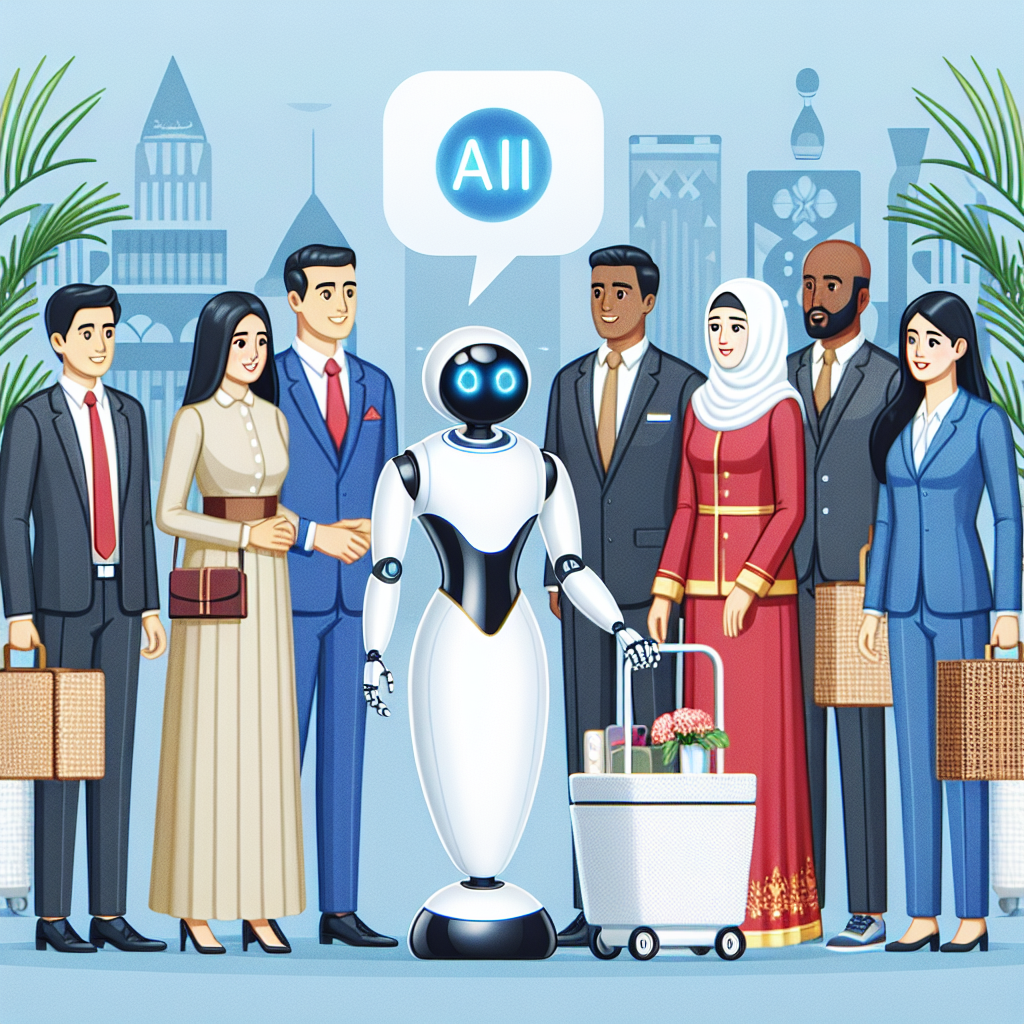
In the competitive world of hospitality, providing excellent customer service is key to attracting and retaining guests. With the rise of artificial intelligence (AI) technology, hotels have a unique opportunity to leverage AI to enhance the customer service experience. From chatbots to personalized recommendations, AI can help hotels streamline operations, improve guest satisfaction, and ultimately drive revenue. In this article, we will explore how hotels can leverage AI for better customer service and provide answers to frequently asked questions about AI in the hospitality industry.
One of the most common ways hotels are using AI for customer service is through the implementation of chatbots. These AI-powered virtual assistants can handle a wide range of tasks, from answering common questions to making reservations. Chatbots are available 24/7, providing guests with instant assistance and reducing the burden on hotel staff. By automating routine inquiries, chatbots free up staff to focus on more complex guest requests, ultimately improving overall service levels.
In addition to chatbots, hotels can use AI to personalize the guest experience. By analyzing data such as past bookings, preferences, and feedback, hotels can create tailored recommendations for each guest. For example, AI can suggest room upgrades, restaurant reservations, or local activities based on a guest’s profile. By anticipating guests’ needs and preferences, hotels can enhance the overall guest experience and increase customer satisfaction.
Another way hotels can leverage AI for better customer service is through the use of predictive analytics. By analyzing data from various sources, such as booking patterns, guest feedback, and social media, hotels can predict future trends and make data-driven decisions. For example, AI can help hotels optimize pricing strategies, forecast demand, and identify areas for improvement. By leveraging AI-powered analytics, hotels can make more informed decisions that benefit both guests and the business.
Furthermore, hotels can use AI to improve operational efficiency and streamline processes. For example, AI-powered systems can automate check-in and check-out processes, reducing wait times and improving the overall guest experience. AI can also help hotels optimize staffing levels, inventory management, and maintenance schedules. By automating routine tasks and processes, hotels can operate more efficiently and provide better service to guests.
Despite the many benefits of AI for customer service in hotels, there are some challenges to consider. One common concern is the potential impact on human interaction. While AI can handle many routine tasks, some guests may still prefer to interact with a human staff member for more complex requests. Hotels must strike a balance between AI and human interaction to ensure a personalized and seamless guest experience.
Additionally, there are concerns about data privacy and security when using AI in customer service. Hotels must ensure that they are compliant with data protection regulations and take appropriate measures to safeguard guest information. Transparent communication about how AI is being used and what data is being collected is essential to building trust with guests.
Overall, leveraging AI for better customer service in hotels can lead to improved guest satisfaction, operational efficiency, and revenue growth. By using chatbots, personalized recommendations, predictive analytics, and operational automation, hotels can deliver a seamless and personalized experience for guests. With the right strategy and safeguards in place, hotels can harness the power of AI to stay ahead in the competitive hospitality industry.
FAQs:
Q: How can AI improve customer service in hotels?
A: AI can improve customer service in hotels by automating routine tasks, providing personalized recommendations, and optimizing operations. Chatbots can handle common inquiries, while predictive analytics can help hotels anticipate guest needs and preferences. By leveraging AI, hotels can enhance the overall guest experience and drive revenue.
Q: What are the potential challenges of using AI in customer service?
A: Some potential challenges of using AI in customer service include concerns about human interaction, data privacy, and security. Hotels must balance AI and human interaction to provide a personalized experience for guests. Additionally, hotels must ensure compliance with data protection regulations and take measures to safeguard guest information.
Q: How can hotels ensure a seamless integration of AI for customer service?
A: To ensure a seamless integration of AI for customer service, hotels should develop a clear strategy, invest in training for staff, and communicate transparently with guests about how AI is being used. Hotels should also regularly evaluate the performance of AI systems and make adjustments as needed to optimize the guest experience.
Q: What are some examples of AI-powered customer service tools for hotels?
A: Some examples of AI-powered customer service tools for hotels include chatbots, personalized recommendation engines, predictive analytics platforms, and operational automation systems. These tools can help hotels streamline operations, improve guest satisfaction, and drive revenue.
Q: How can hotels measure the impact of AI on customer service?
A: Hotels can measure the impact of AI on customer service by tracking key performance indicators such as guest satisfaction scores, average response times, and revenue per available room. By analyzing these metrics, hotels can assess the effectiveness of AI initiatives and make data-driven decisions to continuously improve the guest experience.