
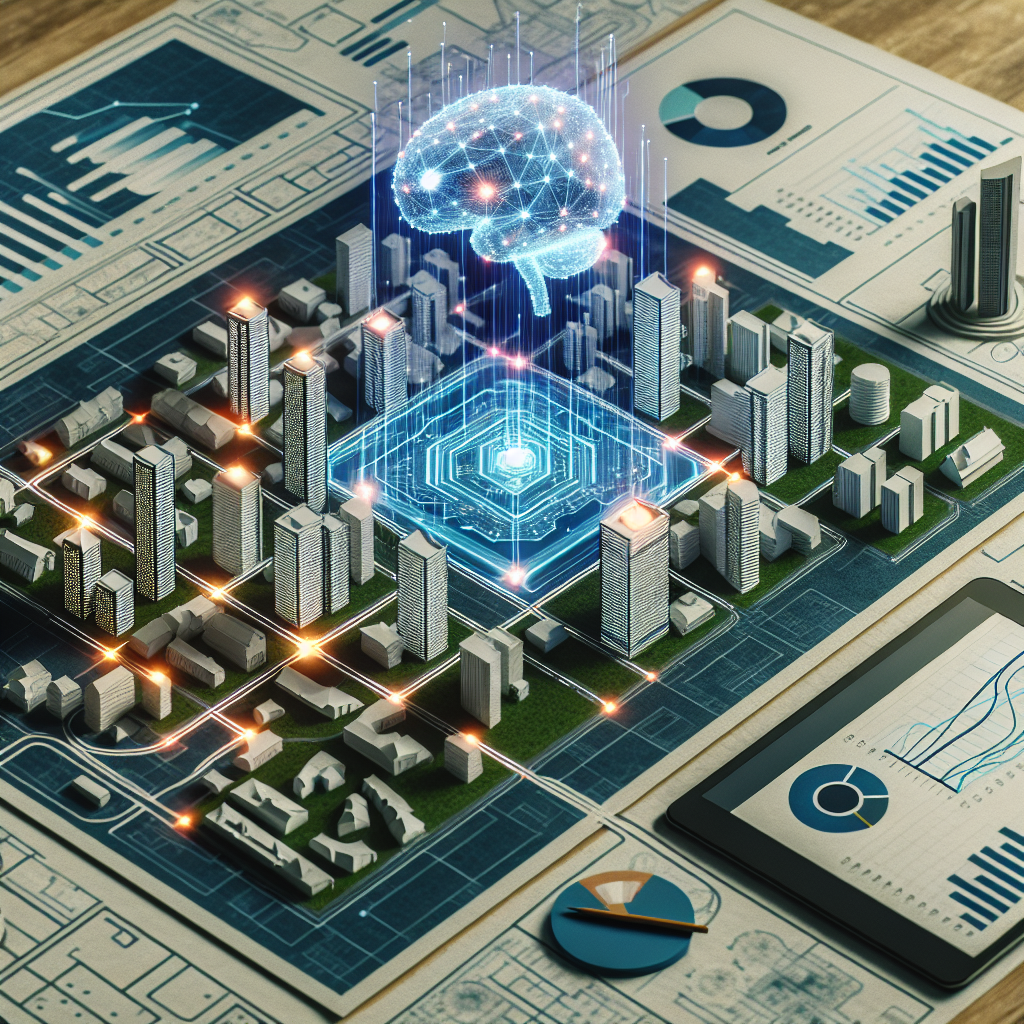
In recent years, the field of urban planning has been revolutionized by the integration of artificial intelligence (AI) technologies. One of the key ways in which AI is being leveraged in urban planning is through contextual design. Contextual design involves designing buildings, infrastructure, and public spaces that are sensitive to the unique characteristics of a particular location and its surrounding environment. By using AI to analyze and interpret vast amounts of data, urban planners can now create more contextually responsive designs that better meet the needs of the communities they serve.
AI technologies such as machine learning and computer vision are being used to gather and analyze data on factors such as population density, traffic patterns, air quality, and land use. By understanding these contextual factors, urban planners can make more informed decisions about how to design buildings and infrastructure that are better suited to their surroundings. For example, AI can help identify areas of a city that are prone to flooding, and suggest design solutions that mitigate this risk. Similarly, AI can analyze traffic patterns to help planners optimize transportation networks and reduce congestion.
One of the key benefits of leveraging AI for contextual design in urban planning is the ability to create more sustainable and environmentally friendly designs. By analyzing data on factors such as energy consumption, emissions, and waste management, AI can help planners identify opportunities to reduce the environmental impact of their designs. For example, AI can suggest using renewable energy sources, implementing green building practices, and incorporating green spaces into urban designs.
Another advantage of using AI for contextual design is the ability to create more inclusive and equitable designs. By analyzing data on factors such as income levels, access to public transportation, and availability of public services, AI can help planners identify areas of a city that are underserved and in need of investment. By designing infrastructure and public spaces that are more accessible and inclusive, planners can help create more equitable communities that benefit all residents.
In addition to improving the sustainability and inclusivity of urban designs, AI can also help streamline the design process and reduce costs. By automating tasks such as data collection, analysis, and design optimization, AI can help planners work more efficiently and make better use of their resources. This can lead to faster project completion times, lower costs, and ultimately, better outcomes for the communities being served.
Despite the many benefits of leveraging AI for contextual design in urban planning, there are also challenges and considerations that planners must take into account. For example, there are concerns about data privacy and security, as well as the potential for bias in AI algorithms. Planners must be mindful of these issues and take steps to ensure that their use of AI is ethical and responsible.
Overall, the integration of AI technologies into urban planning has the potential to revolutionize the way cities are designed and built. By leveraging AI for contextual design, planners can create more sustainable, inclusive, and efficient urban environments that better meet the needs of their residents. As AI continues to advance, it will be exciting to see how these technologies are further integrated into the field of urban planning, and the positive impact they will have on the cities of the future.
FAQs:
Q: How is AI being used in urban planning?
A: AI is being used in urban planning to gather and analyze data on factors such as population density, traffic patterns, air quality, and land use. By understanding these contextual factors, planners can make more informed decisions about how to design buildings and infrastructure that are better suited to their surroundings.
Q: What are the benefits of leveraging AI for contextual design in urban planning?
A: Some of the key benefits of using AI for contextual design in urban planning include creating more sustainable and environmentally friendly designs, more inclusive and equitable designs, streamlining the design process, and reducing costs.
Q: What are some of the challenges of using AI in urban planning?
A: Some of the challenges of using AI in urban planning include concerns about data privacy and security, as well as the potential for bias in AI algorithms. Planners must be mindful of these issues and take steps to ensure that their use of AI is ethical and responsible.