
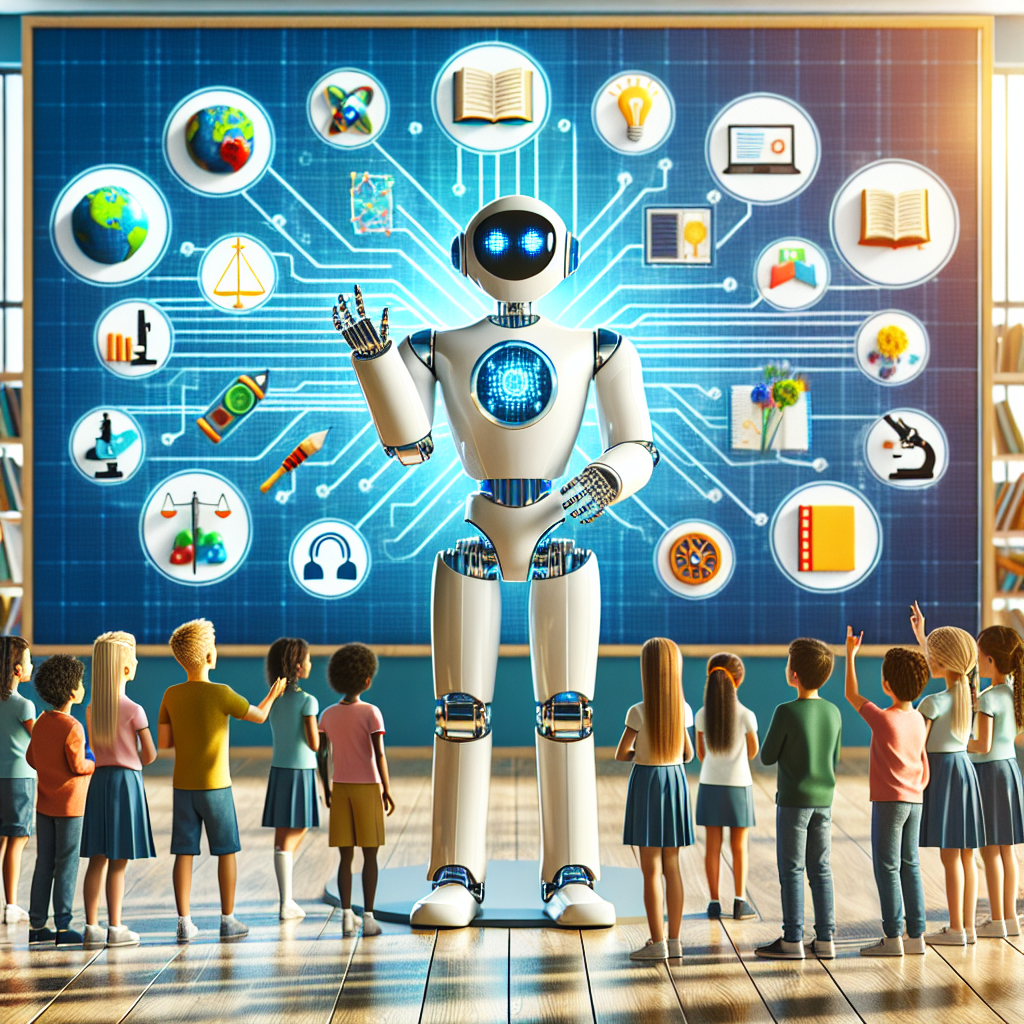
In today’s rapidly evolving digital landscape, the integration of Artificial Intelligence (AI) into education has become increasingly prevalent. AI technology has the potential to revolutionize the way students learn by providing personalized and adaptive learning experiences. One area where AI can have a significant impact is in cross-curricular learning, which involves the integration of multiple subject areas to foster a holistic understanding of concepts and promote critical thinking skills. By leveraging AI for cross-curricular learning, educators can create more engaging and effective learning experiences for students.
What is Cross-Curricular Learning?
Cross-curricular learning is an educational approach that integrates multiple subject areas to create a more comprehensive and interconnected learning experience. Instead of teaching subjects in isolation, cross-curricular learning encourages students to make connections between different disciplines and apply their knowledge in a more holistic manner. This approach helps students develop critical thinking skills, problem-solving abilities, and a deeper understanding of complex concepts.
For example, a cross-curricular project on climate change could involve elements of science, geography, and social studies. Students might analyze data on rising global temperatures, explore the impact of climate change on different regions, and examine the social and economic implications of environmental degradation. By integrating these different subject areas, students can gain a more nuanced understanding of the issue and develop a broader set of skills.
How can AI enhance Cross-Curricular Learning?
AI technology has the potential to enhance cross-curricular learning in several ways. One key advantage of AI is its ability to personalize learning experiences for students based on their individual needs and preferences. By analyzing data on students’ learning styles, abilities, and interests, AI algorithms can tailor educational content to suit each student’s unique learning profile. This personalized approach can help students stay engaged and motivated, leading to improved learning outcomes.
AI can also facilitate interdisciplinary connections by identifying common themes and concepts across different subject areas. For example, AI algorithms can analyze text from various sources to identify key terms and ideas that are relevant to multiple disciplines. By highlighting these connections, AI can help educators design cross-curricular projects that integrate different subject areas in a meaningful way.
Furthermore, AI-powered tools such as virtual reality simulations, chatbots, and adaptive learning platforms can provide students with immersive and interactive learning experiences. These tools can help students visualize complex concepts, engage in hands-on activities, and receive real-time feedback on their progress. By incorporating AI technology into cross-curricular learning activities, educators can create more engaging and effective learning experiences for students.
FAQs about Leveraging AI for Cross-Curricular Learning
Q: How can AI technology be used to personalize learning experiences for students in a cross-curricular context?
A: AI algorithms can analyze data on students’ learning styles, abilities, and interests to tailor educational content to suit each student’s unique needs. For example, AI-powered adaptive learning platforms can adjust the difficulty level of assignments, provide additional resources on challenging topics, and offer personalized feedback to help students improve their understanding of concepts across different subject areas.
Q: What are some examples of AI-powered tools that can enhance cross-curricular learning?
A: Virtual reality simulations can help students visualize abstract concepts in science, mathematics, and other subject areas. Chatbots can provide students with instant answers to their questions and guide them through complex topics. Adaptive learning platforms can create personalized learning paths for students based on their individual needs and preferences.
Q: How can educators integrate AI technology into cross-curricular projects?
A: Educators can use AI-powered tools to design interdisciplinary projects that incorporate elements from multiple subject areas. For example, a project on sustainable development could involve elements of environmental science, economics, and social studies. By leveraging AI technology to identify common themes and connections between different disciplines, educators can create more meaningful and engaging cross-curricular learning experiences for students.
Q: What are some potential challenges of using AI technology in cross-curricular learning?
A: One challenge of using AI technology in cross-curricular learning is ensuring that the algorithms are accurate and reliable. Educators must also consider issues of data privacy and security when using AI-powered tools to collect and analyze student data. Additionally, there may be concerns about the ethical implications of AI technology in education, such as bias in algorithms or the impact on teacher-student relationships.
In conclusion, leveraging AI for cross-curricular learning has the potential to transform the way students learn by providing personalized, interactive, and interdisciplinary educational experiences. By integrating AI-powered tools and algorithms into cross-curricular projects, educators can create more engaging and effective learning opportunities for students. As AI technology continues to evolve, it will be exciting to see how it can be further integrated into education to enhance cross-curricular learning and prepare students for success in the digital age.