
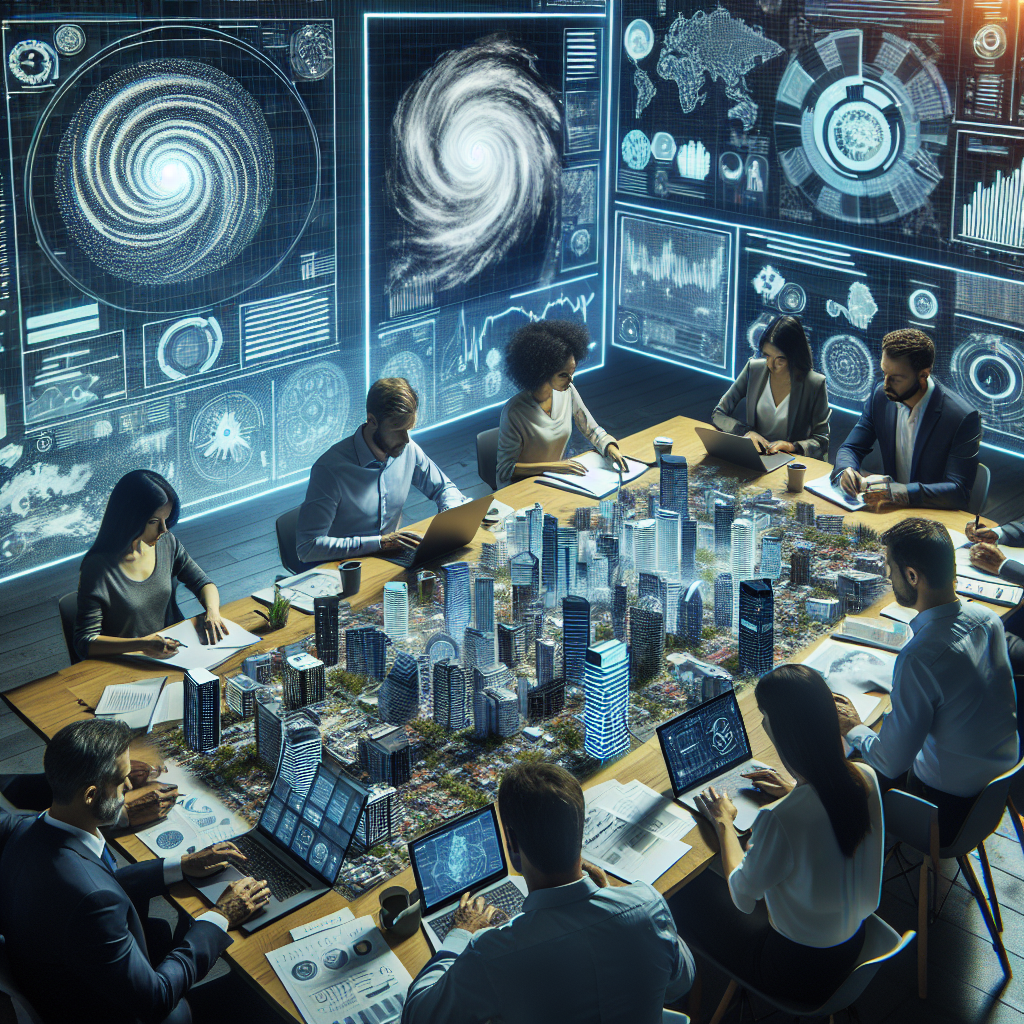
In recent years, the frequency and intensity of natural disasters have been on the rise. From hurricanes and wildfires to earthquakes and floods, communities around the world are increasingly vulnerable to the impact of these catastrophic events. In the face of such challenges, effective disaster planning and response is crucial to minimizing loss of life and property.
Artificial intelligence (AI) is revolutionizing the way we approach disaster planning and response. By leveraging AI technologies, emergency management agencies and organizations can improve the speed, accuracy, and efficiency of their disaster preparedness efforts. From predicting the path of a hurricane to coordinating search and rescue operations, AI is playing a vital role in ensuring the safety and well-being of communities in the face of natural disasters.
One of the key ways in which AI is being used in disaster planning is through predictive modeling. By analyzing vast amounts of data, AI algorithms can forecast the likelihood of a disaster occurring, as well as its potential impact. For example, AI-powered models can predict the path of a hurricane with greater accuracy than traditional methods, allowing emergency responders to better prepare for the storm and evacuate at-risk areas in a timely manner.
In addition to predictive modeling, AI is also being used to improve disaster response efforts. For example, drones equipped with AI-powered cameras can be deployed to survey the damage in the aftermath of a disaster, providing real-time information to emergency responders. AI algorithms can analyze this data to identify areas of critical need, such as blocked roads or collapsed buildings, allowing responders to prioritize their efforts and allocate resources efficiently.
Furthermore, AI can also be used to coordinate search and rescue operations during a disaster. By analyzing data from various sources, such as social media posts, satellite imagery, and emergency calls, AI algorithms can identify the location of people in need of assistance and guide rescue teams to their exact whereabouts. This not only speeds up the rescue process but also helps to ensure the safety of both the victims and the responders.
In addition to its applications in disaster planning and response, AI can also be used to improve the resilience of communities in the face of natural disasters. By analyzing historical data and simulating various scenarios, AI algorithms can help identify vulnerabilities in infrastructure and develop strategies to mitigate the impact of future disasters. For example, AI-powered models can predict the likelihood of flooding in a particular area and recommend measures such as building levees or relocating residents to safer locations.
Overall, leveraging AI for effective disaster planning is essential in today’s increasingly unpredictable world. By harnessing the power of AI technologies, emergency management agencies and organizations can enhance their preparedness efforts, improve their response capabilities, and ultimately save lives in the face of natural disasters.
FAQs:
Q: How does AI help in predicting natural disasters?
A: AI algorithms analyze vast amounts of data, such as weather patterns, historical records, and satellite imagery, to forecast the likelihood of a disaster occurring and its potential impact.
Q: How is AI used in disaster response efforts?
A: AI is used to coordinate search and rescue operations, analyze damage assessments, and identify areas of critical need during a disaster.
Q: Can AI help improve the resilience of communities to natural disasters?
A: Yes, AI can analyze historical data and simulate various scenarios to identify vulnerabilities in infrastructure and develop strategies to mitigate the impact of future disasters.
Q: What are some examples of AI technologies used in disaster planning?
A: Examples include predictive modeling, drones equipped with AI-powered cameras, and AI algorithms that analyze data from various sources to coordinate response efforts.
Q: How can communities leverage AI for effective disaster planning?
A: Communities can work with emergency management agencies and organizations to implement AI technologies in their disaster planning and response efforts, enhancing their preparedness and response capabilities.