
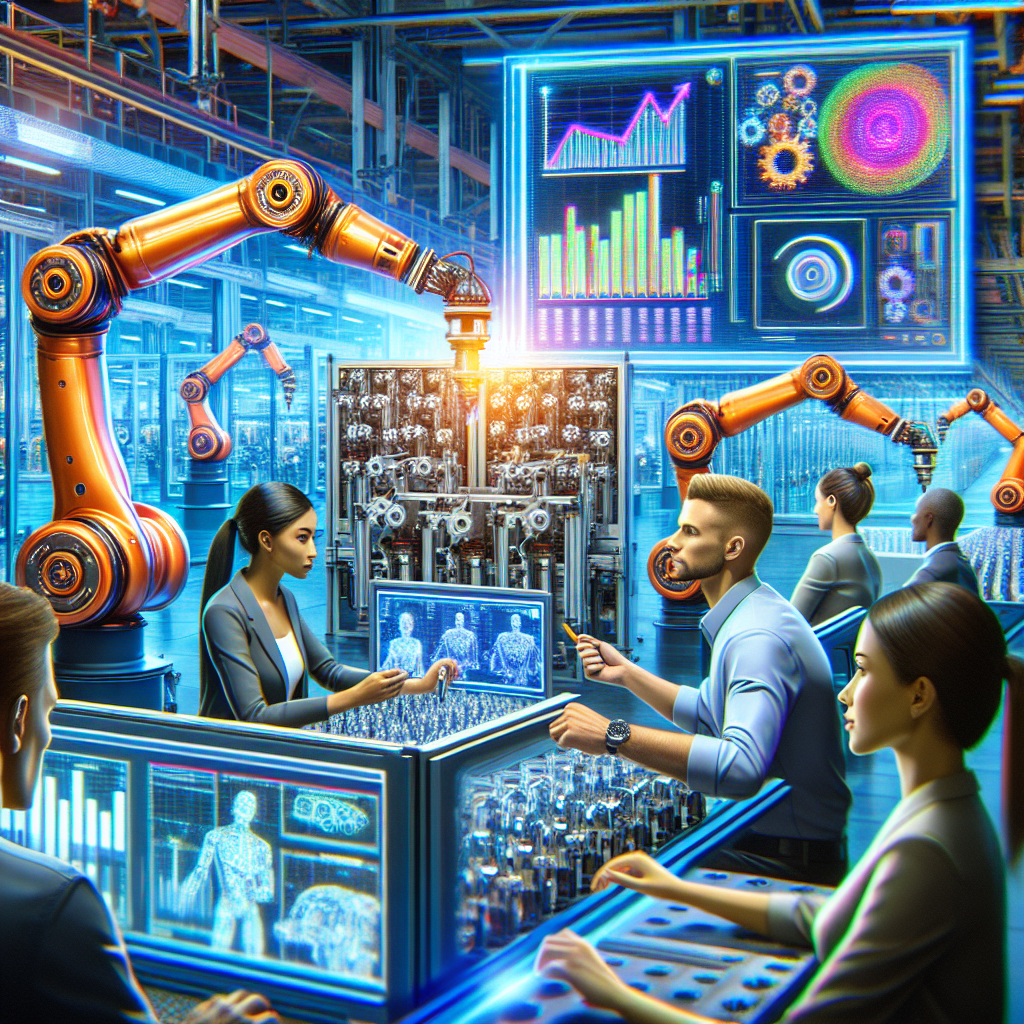
Manufacturing processes have evolved significantly over the years, with technology playing a key role in driving efficiencies and improving productivity. Artificial Intelligence (AI) is one such technology that is transforming the manufacturing industry by enabling process optimization like never before. Leveraging AI for process optimization in manufacturing can lead to significant cost savings, improved quality, and increased competitiveness in the market.
AI in manufacturing involves the use of algorithms and machine learning techniques to analyze data, identify patterns, and make decisions without human intervention. This enables manufacturers to automate and optimize various aspects of their production processes, from design and planning to maintenance and quality control.
There are several ways in which AI can be leveraged for process optimization in manufacturing:
1. Predictive Maintenance: AI can analyze sensor data from machines and equipment to predict when maintenance is required before a breakdown occurs. This helps manufacturers reduce downtime, lower maintenance costs, and increase overall equipment effectiveness.
2. Quality Control: AI can be used to inspect and analyze products in real-time to detect defects and deviations from quality standards. This ensures that only high-quality products are delivered to customers, reducing rework and scrap.
3. Supply Chain Optimization: AI can optimize inventory levels, production schedules, and transportation routes to minimize costs and improve efficiency in the supply chain. This helps manufacturers streamline their operations and meet customer demand in a timely manner.
4. Process Design and Optimization: AI can analyze data from production processes to identify inefficiencies and optimize parameters for improved performance. This leads to higher throughput, lower energy consumption, and reduced waste in manufacturing operations.
5. Demand Forecasting: AI can analyze historical sales data, market trends, and external factors to predict future demand for products. This enables manufacturers to adjust production levels and inventory accordingly, reducing stockouts and excess inventory.
6. Autonomous Manufacturing: AI-powered robots and machines can perform complex tasks with precision and speed, reducing the need for human intervention and improving overall productivity in manufacturing operations.
FAQs:
1. How can AI help manufacturers reduce costs?
AI can help manufacturers reduce costs by optimizing processes, improving efficiency, and minimizing waste. By analyzing data and making informed decisions, AI can identify areas of improvement and implement changes that lead to cost savings.
2. Is AI only suitable for large manufacturing companies?
No, AI can be implemented in manufacturing companies of all sizes. There are AI solutions available that cater to the specific needs and budgets of small and medium-sized manufacturers. Whether it’s predictive maintenance, quality control, or supply chain optimization, AI can be customized to fit the requirements of any manufacturing operation.
3. How can manufacturers ensure the security of their data when implementing AI?
Manufacturers can ensure the security of their data by implementing robust cybersecurity measures, such as encryption, access controls, and regular audits. It’s important to work with trusted AI vendors who have a track record of protecting sensitive information and complying with data privacy regulations.
4. What are the challenges of implementing AI in manufacturing?
Some of the challenges of implementing AI in manufacturing include the high upfront costs, the need for skilled personnel to manage AI systems, and the integration of AI with existing processes and systems. Manufacturers may also face resistance from employees who are reluctant to embrace new technologies.
5. What are the benefits of leveraging AI for process optimization in manufacturing?
The benefits of leveraging AI for process optimization in manufacturing include improved productivity, reduced costs, enhanced quality, increased flexibility, and better decision-making. AI enables manufacturers to stay competitive in a rapidly changing market by continuously improving their operations and delivering value to customers.
In conclusion, leveraging AI for process optimization in manufacturing is a game-changer for companies looking to stay ahead of the competition and drive innovation in their operations. By harnessing the power of AI to automate and optimize various aspects of production processes, manufacturers can achieve cost savings, improve quality, and increase efficiency. With the right strategy and implementation, AI can transform manufacturing operations and unlock new opportunities for growth and success.