
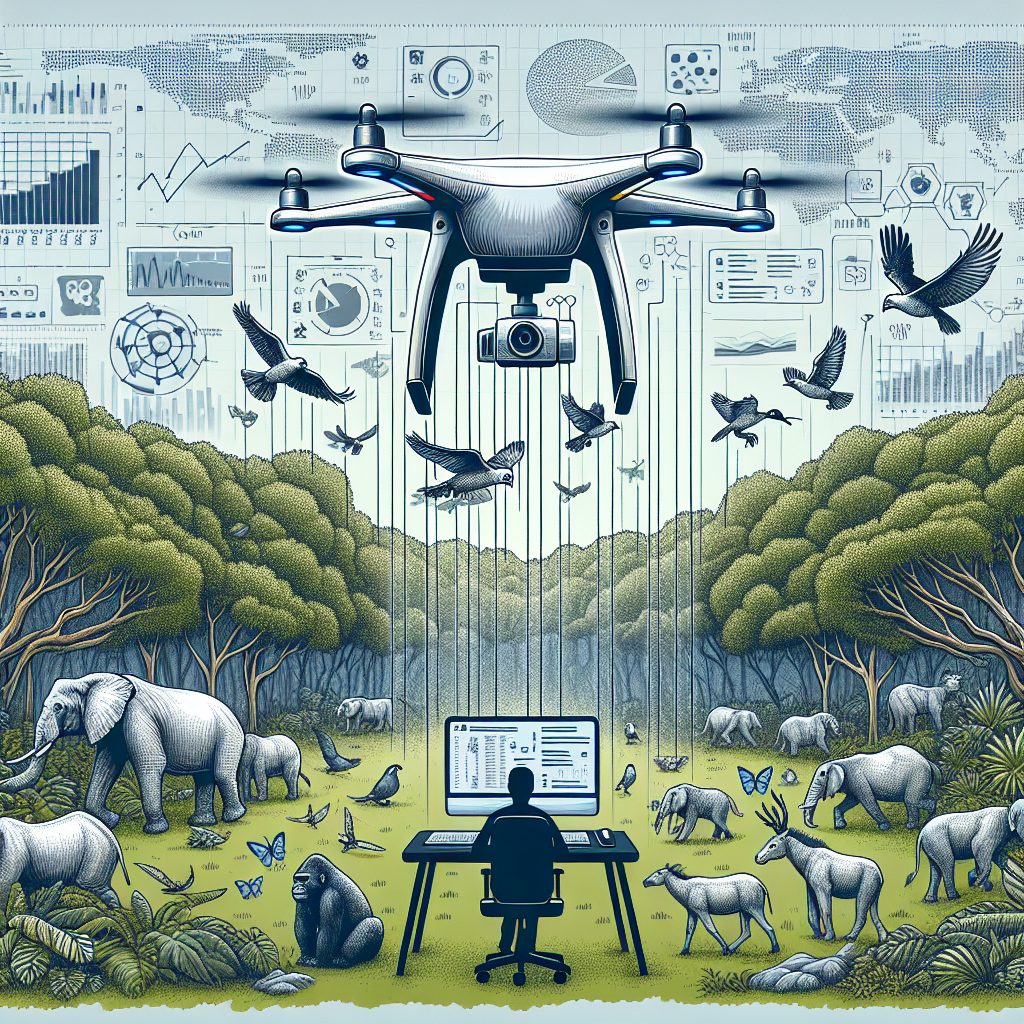
In recent years, the use of artificial intelligence (AI) in wildlife conservation has shown great promise in helping to protect endangered species, monitor ecosystems, and combat illegal wildlife trafficking. The power of AI lies in its ability to process vast amounts of data quickly and accurately, providing valuable insights and solutions for conservation efforts. By leveraging AI technology, conservationists can better understand and address the complex challenges facing wildlife and their habitats.
One of the key ways in which AI is being used in wildlife conservation is through the analysis of satellite imagery. AI algorithms can be trained to analyze satellite images to identify changes in land use, deforestation, and habitat destruction. This information can help conservationists track the movement of wildlife, monitor the health of ecosystems, and identify areas that require protection. For example, AI-powered tools can detect illegal logging activities in real-time, allowing authorities to take immediate action to stop the destruction of forests.
Another application of AI in wildlife conservation is in the monitoring of endangered species. By using AI-powered cameras and sensors, conservationists can track the movements of animals, monitor their populations, and predict their behavior. This information is crucial for understanding the threats facing endangered species and developing effective conservation strategies to protect them. For example, AI technology can be used to track the movements of elephants to prevent them from coming into conflict with humans or poachers.
AI is also being used to combat illegal wildlife trafficking, which is one of the biggest threats to endangered species. By analyzing data from social media, online marketplaces, and other sources, AI algorithms can identify patterns and trends associated with wildlife trafficking. This information can be used to target traffickers, disrupt their operations, and rescue animals from captivity. AI-powered tools can also be used to detect and intercept illegal shipments of wildlife products, such as ivory and rhino horn, before they reach their destination.
In addition to monitoring and enforcement, AI is also being used to improve conservation efforts on the ground. For example, AI algorithms can be used to optimize patrol routes, predict poaching hotspots, and prioritize areas for protection. By using AI-powered tools, conservationists can make more informed decisions about where to allocate resources and focus their efforts.
Overall, the potential of AI in wildlife conservation is vast. By harnessing the power of AI technology, conservationists can gain valuable insights, make more informed decisions, and take proactive measures to protect endangered species and their habitats. However, there are also challenges and limitations to consider when using AI in conservation efforts.
One of the main challenges of using AI in wildlife conservation is the need for high-quality data. AI algorithms require large amounts of data to be trained effectively, and the quality of the data can greatly impact the accuracy of the results. In some cases, data on endangered species and their habitats may be limited or outdated, making it difficult to develop reliable AI models. Conservationists must work to collect and maintain high-quality data to ensure the success of AI-powered conservation initiatives.
Another challenge is the cost and technical expertise required to implement AI technology. Developing and deploying AI algorithms can be complex and expensive, requiring specialized skills and resources. Conservation organizations may need to invest in training their staff or partnering with technology companies to access AI solutions. Additionally, the ongoing maintenance and updating of AI systems can be a significant undertaking, requiring ongoing support and resources.
Despite these challenges, the benefits of leveraging AI for wildlife conservation are clear. By harnessing the power of AI technology, conservationists can gain valuable insights, improve monitoring and enforcement efforts, and make more informed decisions to protect endangered species and their habitats. As AI technology continues to advance, the potential for using AI in conservation will only grow, providing new opportunities to address the complex challenges facing wildlife.
FAQs:
Q: How does AI help in monitoring endangered species?
A: AI-powered cameras and sensors can track the movements of animals, monitor their populations, and predict their behavior. This information is crucial for understanding the threats facing endangered species and developing effective conservation strategies to protect them.
Q: How can AI be used to combat illegal wildlife trafficking?
A: AI algorithms can analyze data from social media, online marketplaces, and other sources to identify patterns and trends associated with wildlife trafficking. This information can be used to target traffickers, disrupt their operations, and rescue animals from captivity.
Q: What are the challenges of using AI in wildlife conservation?
A: Challenges include the need for high-quality data, the cost and technical expertise required to implement AI technology, and the ongoing maintenance and updating of AI systems.
Q: What are the benefits of leveraging AI for wildlife conservation?
A: Benefits include gaining valuable insights, improving monitoring and enforcement efforts, and making more informed decisions to protect endangered species and their habitats.