
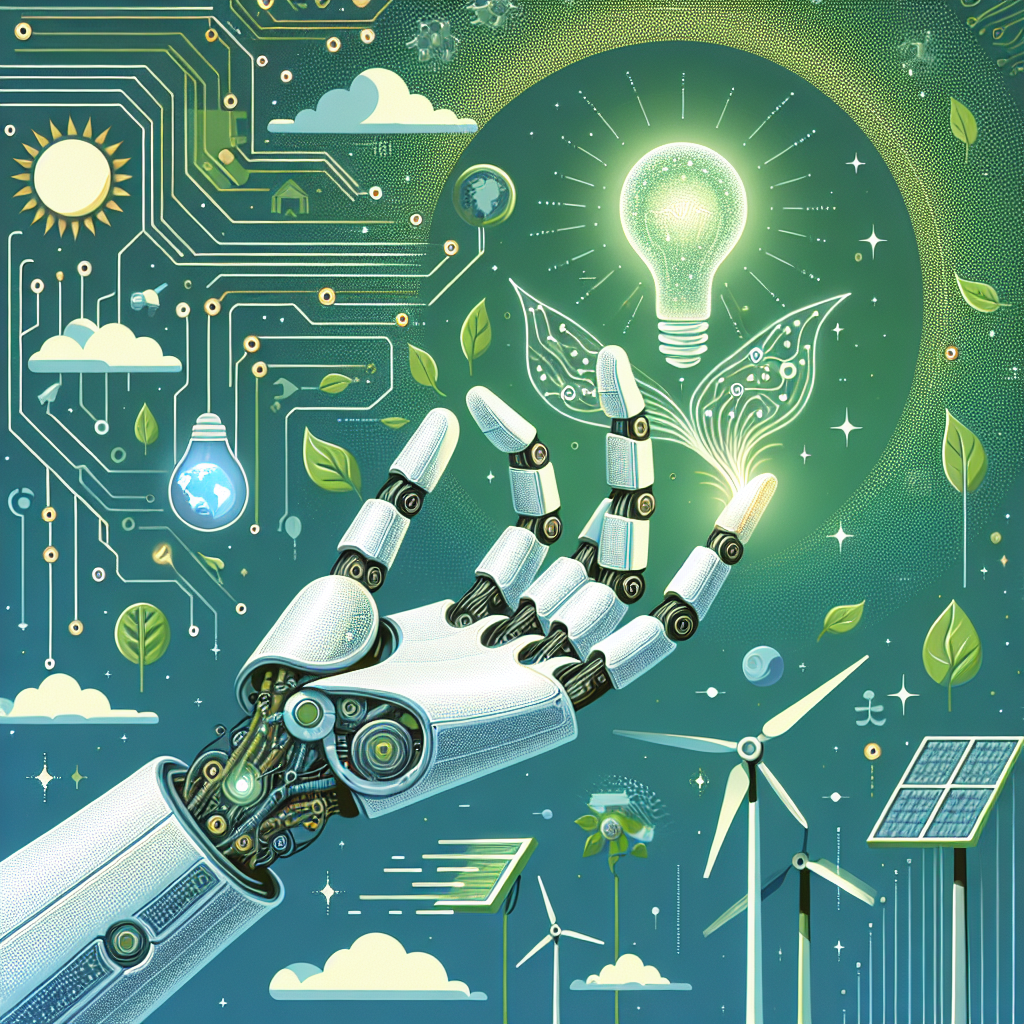
Leveraging AI Tools for Energy Efficiency
In today’s world, the demand for energy is ever-increasing, and with concerns about climate change, it has become imperative to find ways to reduce energy consumption and increase efficiency. This is where artificial intelligence (AI) tools come in. AI has the potential to revolutionize the way we manage energy consumption and make our systems more efficient. In this article, we will explore the various ways in which AI can be leveraged to improve energy efficiency and reduce our carbon footprint.
What is AI?
Artificial intelligence is a branch of computer science that aims to create machines that can think and act like humans. AI is a broad field that encompasses a variety of technologies, including machine learning, neural networks, and natural language processing. These technologies enable computers to analyze data, make predictions, and learn from past experiences.
How can AI improve energy efficiency?
AI can be used in a variety of ways to improve energy efficiency. One of the key ways in which AI can help is by optimizing energy consumption in buildings. AI-powered systems can analyze data from sensors and other sources to identify patterns and trends in energy usage. This information can then be used to automatically adjust heating, cooling, and lighting systems to minimize energy consumption while maintaining comfort levels.
AI can also be used to optimize energy usage in industrial settings. By analyzing data from sensors and other sources, AI systems can identify inefficiencies in energy usage and recommend ways to improve efficiency. For example, AI-powered systems can optimize the operation of equipment to reduce energy consumption, or identify opportunities to use renewable energy sources.
Another way in which AI can improve energy efficiency is by enabling the development of smart grids. Smart grids use AI-powered systems to optimize the distribution of electricity, reducing waste and improving reliability. AI can analyze data from sensors and other sources to predict electricity demand, identify potential problems in the grid, and optimize the flow of electricity to minimize losses.
AI can also be used to optimize energy usage in transportation. By analyzing data from sensors and other sources, AI systems can identify patterns in traffic flow and recommend ways to reduce energy consumption. For example, AI-powered systems can optimize traffic signals to reduce congestion and improve fuel efficiency, or recommend alternative routes to avoid traffic jams.
Overall, AI has the potential to revolutionize the way we manage energy consumption and make our systems more efficient. By leveraging AI tools, we can reduce our carbon footprint, save money on energy costs, and contribute to a more sustainable future.
FAQs:
Q: How does AI analyze data to improve energy efficiency?
A: AI-powered systems use algorithms to analyze data from sensors and other sources to identify patterns and trends in energy usage. This information can then be used to make recommendations for optimizing energy consumption.
Q: What are some examples of AI tools for energy efficiency?
A: Some examples of AI tools for energy efficiency include smart thermostats, which use AI algorithms to optimize heating and cooling systems in buildings, and predictive analytics systems, which use AI to forecast energy demand and identify opportunities for improvement.
Q: How can AI help reduce energy consumption in industrial settings?
A: AI can help reduce energy consumption in industrial settings by analyzing data from sensors and other sources to identify inefficiencies in energy usage and recommend ways to improve efficiency. AI-powered systems can optimize the operation of equipment, identify opportunities to use renewable energy sources, and reduce waste.
Q: What are the benefits of using AI for energy efficiency?
A: The benefits of using AI for energy efficiency include reduced energy consumption, lower energy costs, and a reduced carbon footprint. By optimizing energy usage and identifying inefficiencies, AI can help organizations save money and contribute to a more sustainable future.