
In recent years, waste management has become a significant issue for many cities and municipalities around the world. With the increasing population and urbanization, the amount of waste generated has also been on the rise. This has put a strain on traditional waste management systems, leading to overflowing landfills, pollution, and other environmental issues.
However, with the advancements in technology, particularly in the field of artificial intelligence (AI), there are new opportunities to revolutionize waste management processes. AI tools can help streamline waste collection, recycling, and disposal processes, making them more efficient and sustainable. In this article, we will explore how AI tools can be leveraged for waste management and the benefits they can bring to cities and municipalities.
1. Smart Waste Collection
One of the key areas where AI tools can be used in waste management is in smart waste collection. Traditional waste collection systems often follow fixed routes and schedules, leading to inefficiencies and unnecessary fuel consumption. By using AI tools, waste collection routes can be optimized in real-time based on factors such as current waste levels, traffic conditions, and weather patterns.
AI-powered sensors can be installed in waste bins to monitor the fill levels and notify waste collection trucks when they need to be emptied. This can help reduce unnecessary trips and fuel consumption, leading to cost savings and a more sustainable waste management process.
2. Recycling Optimization
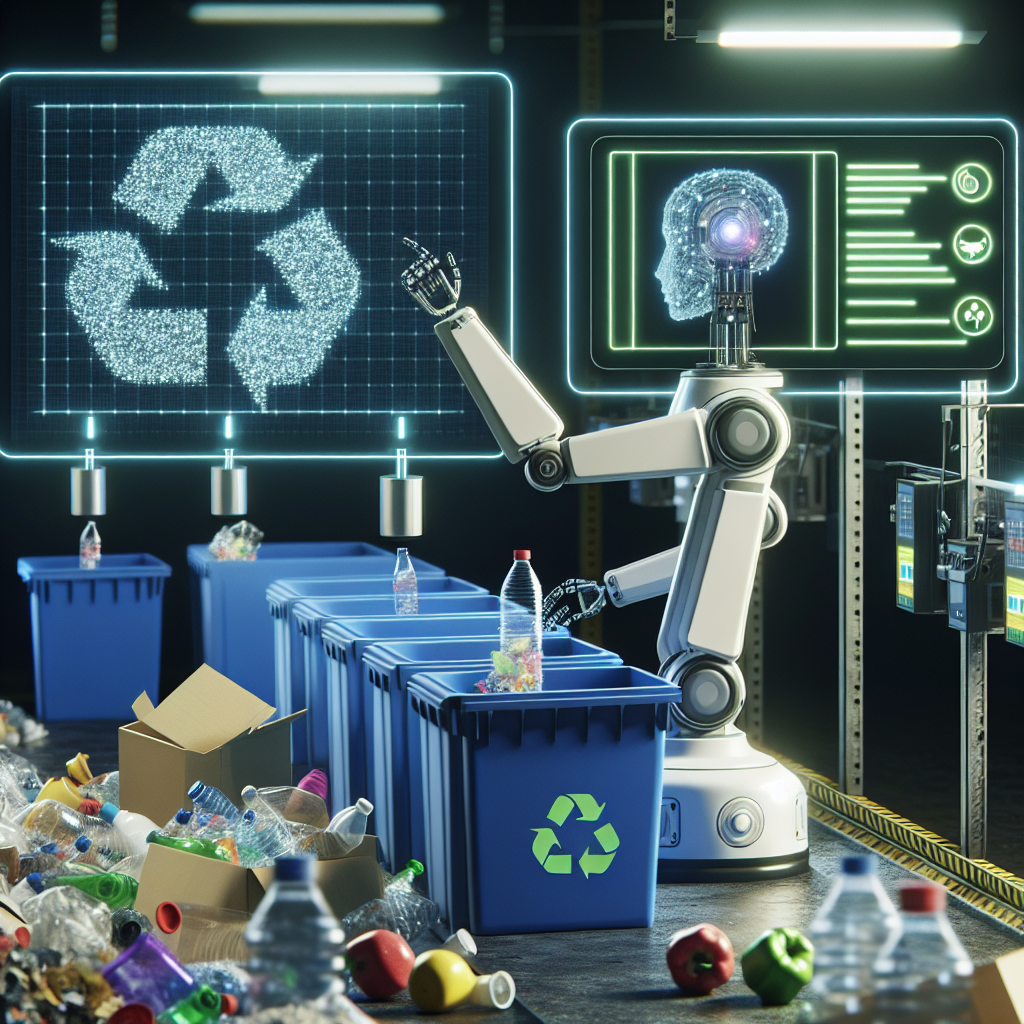
Another area where AI tools can be leveraged for waste management is in recycling optimization. Sorting waste into different categories for recycling can be a time-consuming and labor-intensive process. AI-powered robots and machines can be used to automate the sorting process, making it faster and more efficient.
AI algorithms can also be used to analyze data on waste generation and recycling rates to identify opportunities for improvement. For example, they can help determine which materials are most commonly recycled and develop strategies to increase recycling rates for other materials.
3. Predictive Maintenance
AI tools can also be used for predictive maintenance of waste management equipment such as waste collection trucks and recycling machines. By analyzing data on equipment performance and maintenance history, AI algorithms can predict when equipment is likely to fail and schedule maintenance proactively.
This can help reduce downtime and maintenance costs, as well as extend the lifespan of equipment. Predictive maintenance can also help prevent breakdowns that can lead to delays in waste collection and disposal, ensuring a more efficient waste management process.
4. Environmental Monitoring
AI tools can also be used for environmental monitoring in waste management. By analyzing data on air and water quality, AI algorithms can help identify potential sources of pollution and develop strategies to mitigate environmental impacts.
For example, AI-powered sensors can be used to monitor emissions from waste incineration plants and landfills, helping to ensure compliance with environmental regulations. AI algorithms can also be used to analyze data on water quality in rivers and lakes near waste disposal sites, identifying potential contamination issues and developing strategies to address them.
Benefits of Leveraging AI Tools for Waste Management
There are several benefits to leveraging AI tools for waste management:
1. Increased Efficiency: AI tools can help streamline waste collection, recycling, and disposal processes, making them more efficient and cost-effective.
2. Sustainability: By optimizing waste management processes, AI tools can help reduce fuel consumption, emissions, and waste generation, leading to a more sustainable waste management system.
3. Improved Environmental Compliance: AI tools can help monitor environmental impacts of waste management activities and ensure compliance with regulations, reducing the risk of pollution and other environmental issues.
4. Cost Savings: By optimizing waste collection routes, recycling processes, and maintenance schedules, AI tools can help reduce costs and improve the overall financial viability of waste management operations.
5. Data-Driven Decision-Making: AI tools can help analyze large amounts of data on waste generation, recycling rates, and environmental impacts, providing valuable insights for decision-making and strategy development.
FAQs
Q: What are some examples of AI tools used in waste management?
A: Some examples of AI tools used in waste management include AI-powered sensors for waste bin monitoring, AI algorithms for waste collection route optimization, AI-powered robots for waste sorting, and AI algorithms for predictive maintenance of waste management equipment.
Q: How can AI tools help increase recycling rates?
A: AI tools can help increase recycling rates by analyzing data on waste generation and recycling rates to identify opportunities for improvement. For example, AI algorithms can help determine which materials are most commonly recycled and develop strategies to increase recycling rates for other materials.
Q: Are AI tools for waste management expensive to implement?
A: While the initial investment in AI tools for waste management may be significant, the long-term benefits in terms of increased efficiency, sustainability, and cost savings can outweigh the costs. Additionally, there are often government grants and incentives available to support the implementation of AI tools for waste management.
Q: What are the challenges of implementing AI tools for waste management?
A: Some of the challenges of implementing AI tools for waste management include the need for skilled personnel to operate and maintain the technology, the initial investment costs, and potential resistance to change from employees and stakeholders. However, with proper planning and support, these challenges can be overcome to realize the benefits of AI tools for waste management.
In conclusion, leveraging AI tools for waste management can help cities and municipalities improve the efficiency, sustainability, and cost-effectiveness of their waste management processes. By optimizing waste collection, recycling, and disposal activities, AI tools can help reduce fuel consumption, emissions, and waste generation, leading to a more environmentally friendly waste management system. With the right strategies and support, AI tools have the potential to revolutionize waste management and create a more sustainable future for generations to come.