
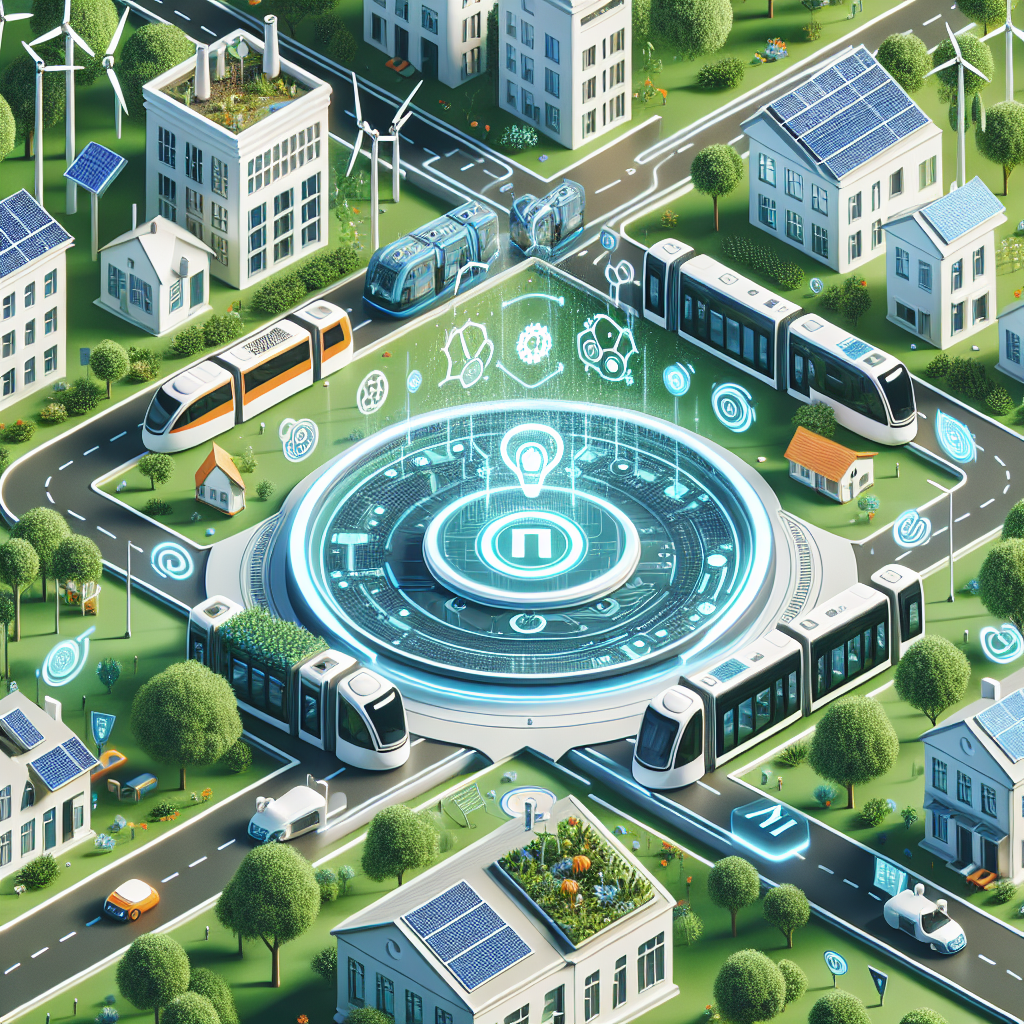
Promoting Sustainability Through AI-Powered Smart Cities
Introduction
As the world continues to urbanize at a rapid pace, the concept of smart cities has gained momentum as a way to address the increasing challenges of urbanization. Smart cities leverage technology and data to improve the quality of life for residents, promote sustainability, and enhance efficiency in various areas such as transportation, energy, and waste management. One key technology that is driving the development of smart cities is artificial intelligence (AI). AI-powered smart cities are revolutionizing the way cities are managed and are paving the way for a more sustainable future.
AI in Smart Cities
Artificial intelligence is a powerful tool that can analyze vast amounts of data in real-time, enabling cities to make more informed decisions and optimize resources. In smart cities, AI is used to improve various aspects of urban life, such as traffic management, energy consumption, and waste management.
AI-powered traffic management systems can analyze traffic patterns and optimize traffic flow, reducing congestion and air pollution. By using real-time data from sensors and cameras, AI can predict traffic patterns and adjust traffic signals accordingly to minimize delays and improve overall traffic flow.
In terms of energy consumption, AI can help cities optimize their energy usage by analyzing data from smart meters and sensors to identify areas of inefficiency. AI-powered energy management systems can automatically adjust lighting, heating, and cooling systems based on occupancy levels and usage patterns, resulting in energy savings and reduced carbon emissions.
Waste management is another area where AI can make a significant impact. Through the use of sensors and AI algorithms, cities can optimize waste collection routes, reduce landfill usage, and increase recycling rates. AI can also help cities monitor air quality and detect pollutants, enabling them to take proactive measures to improve air quality and public health.
Benefits of AI-Powered Smart Cities
There are numerous benefits to implementing AI-powered smart cities, including:
1. Improved efficiency: AI can help cities optimize their resources and infrastructure, resulting in reduced costs and improved service delivery.
2. Enhanced sustainability: AI-powered smart cities can reduce energy consumption, lower carbon emissions, and promote sustainable practices in various areas such as transportation, energy, and waste management.
3. Better quality of life: By leveraging AI to improve traffic management, energy efficiency, and waste management, smart cities can enhance the quality of life for residents by reducing congestion, pollution, and waste.
4. Economic growth: Smart cities that leverage AI can attract investment, create jobs, and drive economic growth through innovation and efficiency.
5. Data-driven decision-making: AI enables cities to make more informed decisions by analyzing real-time data and predicting future trends, helping them to plan and respond more effectively to urban challenges.
Challenges and Considerations
While AI-powered smart cities offer numerous benefits, there are also challenges and considerations that need to be addressed:
1. Privacy and security: As cities collect and analyze vast amounts of data, concerns about privacy and security arise. It is essential for cities to implement robust data protection measures and ensure that data is used ethically and responsibly.
2. Digital divide: Not everyone has equal access to technology, which can create a digital divide in smart cities. Cities need to ensure that technology is accessible to all residents and that no one is left behind in the transition to a smart city.
3. Regulation and governance: The rapid pace of technological advancement in smart cities raises questions about regulation and governance. Cities need to establish clear policies and regulations to govern the use of AI and ensure that it is used in a transparent and accountable manner.
4. Data management: Managing and analyzing vast amounts of data in smart cities can be challenging. Cities need to invest in data infrastructure and analytics capabilities to effectively leverage AI and make data-driven decisions.
5. Stakeholder engagement: To successfully implement AI-powered smart cities, cities need to engage with stakeholders, including residents, businesses, and community organizations, to ensure that their needs and concerns are taken into account.
FAQs
Q: How can AI help reduce traffic congestion in smart cities?
A: AI-powered traffic management systems can analyze real-time data from sensors and cameras to optimize traffic flow, reduce congestion, and improve overall traffic efficiency.
Q: What are some examples of AI applications in smart cities?
A: Some examples of AI applications in smart cities include traffic management systems, energy management systems, waste management optimization, and air quality monitoring.
Q: What are the key benefits of implementing AI in smart cities?
A: The key benefits of implementing AI in smart cities include improved efficiency, enhanced sustainability, better quality of life, economic growth, and data-driven decision-making.
Q: How can cities address privacy and security concerns in AI-powered smart cities?
A: Cities can address privacy and security concerns by implementing robust data protection measures, ensuring data is used ethically and responsibly, and establishing clear policies and regulations to govern the use of AI.
Conclusion
AI-powered smart cities are transforming the way cities are managed and are promoting sustainability by optimizing resources, reducing energy consumption, and enhancing efficiency in various areas. While there are challenges and considerations that need to be addressed, the benefits of implementing AI in smart cities are undeniable. By leveraging AI technology, cities can improve the quality of life for residents, drive economic growth, and create a more sustainable future for generations to come.