
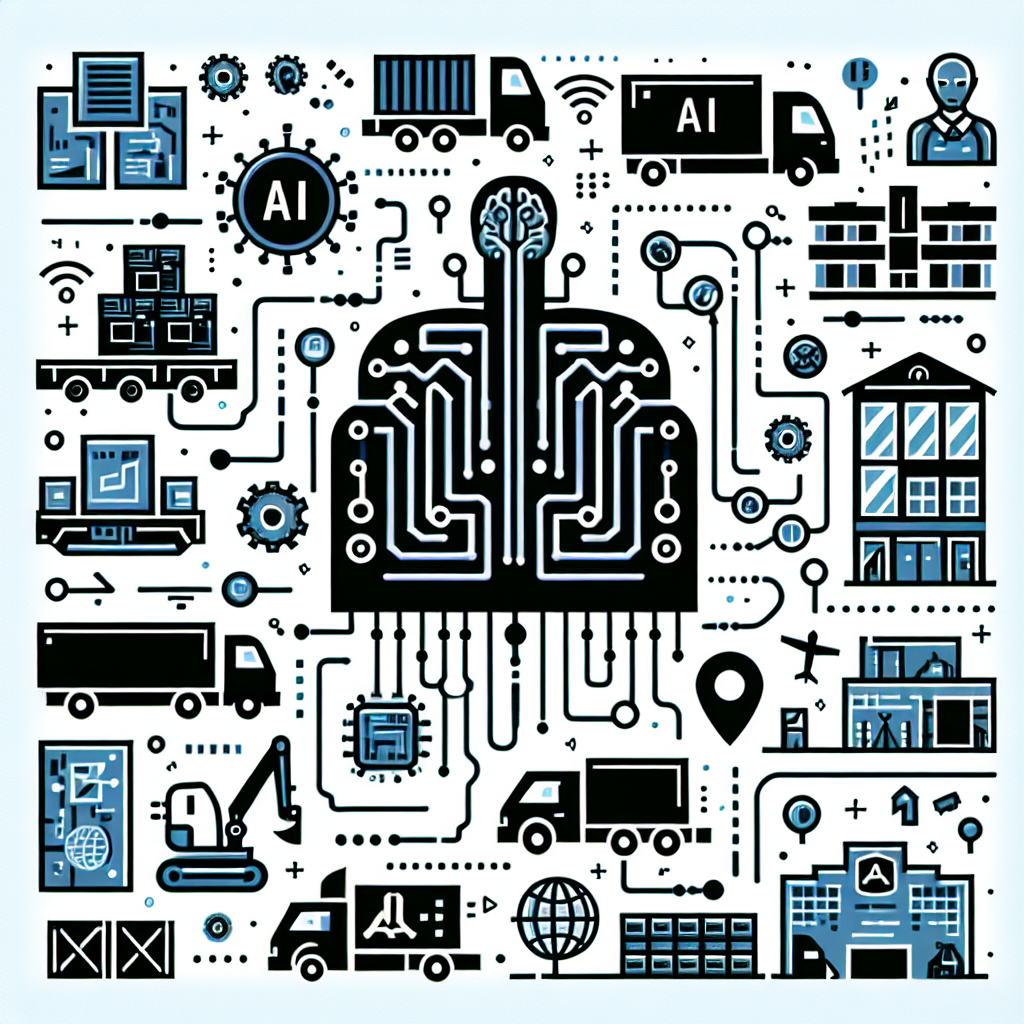
In recent years, the use of artificial intelligence (AI) software in supply chain management has become increasingly popular among businesses looking to streamline their operations and improve efficiency. AI software offers a wide range of benefits for supply chain management, from reducing costs and increasing productivity to improving decision-making and enhancing overall performance. In this article, we will explore the advantages of using AI software in supply chain management, as well as address some frequently asked questions about this innovative technology.
Advantages of Using AI Software in Supply Chain Management
1. Improved Forecasting and Planning
One of the key advantages of using AI software in supply chain management is its ability to improve forecasting and planning. AI algorithms can analyze large amounts of data from various sources, such as historical sales data, market trends, and customer preferences, to predict future demand more accurately. This enables businesses to better plan and optimize their inventory levels, production schedules, and distribution strategies, ultimately leading to reduced stockouts, lower carrying costs, and improved customer satisfaction.
2. Enhanced Inventory Management
AI software can also help businesses optimize their inventory management processes by automatically adjusting reorder points, safety stock levels, and lead times based on real-time data and demand forecasts. This can help reduce excess inventory and stockouts, minimize holding costs, and improve overall inventory turnover rates. Additionally, AI-powered inventory management systems can identify slow-moving or obsolete items, recommend product promotions or discounts, and facilitate better decision-making regarding stock replenishment and allocation.
3. Efficient Warehouse Operations
AI software can streamline warehouse operations by automating tasks such as picking, packing, and shipping, as well as optimizing storage layouts and inventory placement. AI-powered robots and drones can navigate warehouses, pick items, and transport goods more quickly and accurately than human workers, leading to increased efficiency and reduced labor costs. Additionally, AI algorithms can analyze historical data and real-time information to predict peak demand periods, allocate resources more effectively, and minimize bottlenecks and delays in warehouse operations.
4. Real-time Visibility and Tracking
AI software can provide businesses with real-time visibility and tracking of their supply chain activities, from sourcing and production to distribution and delivery. By integrating AI-powered sensors, RFID tags, and GPS technology into their supply chain networks, businesses can monitor the movement of goods, identify potential disruptions or delays, and proactively address issues before they escalate. This level of visibility and transparency can help businesses improve on-time delivery rates, reduce lead times, and enhance customer service levels.
5. Data-driven Decision Making
AI software can empower businesses to make more informed and data-driven decisions by analyzing complex supply chain data, identifying patterns and trends, and generating actionable insights. AI algorithms can perform advanced analytics, such as predictive modeling, prescriptive analytics, and machine learning, to identify opportunities for cost savings, process improvements, and performance optimizations. By leveraging AI software, businesses can gain a competitive advantage by making faster, smarter, and more strategic decisions that drive business growth and profitability.
6. Risk Mitigation and Resilience
AI software can help businesses mitigate supply chain risks and build resilience by identifying potential disruptions, assessing their impact, and developing contingency plans. AI algorithms can analyze external factors, such as geopolitical events, natural disasters, and market volatility, to predict potential risks and recommend proactive measures to mitigate their impact. By using AI software, businesses can enhance their supply chain resilience, improve risk management practices, and ensure continuity of operations in the face of unforeseen challenges.
7. Cost Savings and Efficiency
Overall, the use of AI software in supply chain management can lead to significant cost savings and efficiency gains for businesses. By automating routine tasks, optimizing processes, and reducing waste, businesses can lower operating costs, improve resource utilization, and increase overall productivity. Additionally, AI software can help businesses identify cost-saving opportunities, such as reducing transportation costs, minimizing inventory holding costs, and optimizing production schedules, leading to improved profitability and competitiveness in the marketplace.
FAQs about Using AI Software in Supply Chain Management
1. What is AI software, and how does it work in supply chain management?
AI software refers to computer programs and algorithms that simulate human intelligence, such as learning, reasoning, and problem-solving, to perform tasks and make decisions autonomously. In supply chain management, AI software can analyze large amounts of data, predict future outcomes, identify patterns and trends, and recommend optimal courses of action to improve efficiency, reduce costs, and enhance performance.
2. What are the different types of AI software used in supply chain management?
There are several types of AI software used in supply chain management, including machine learning, natural language processing, robotic process automation, and predictive analytics. Machine learning algorithms can analyze data and learn from experience to make predictions and recommendations, while natural language processing algorithms can understand and generate human language to facilitate communication and collaboration. Robotic process automation software can automate repetitive tasks and workflows, while predictive analytics software can forecast future outcomes and trends based on historical data.
3. How can businesses implement AI software in their supply chain management processes?
Businesses can implement AI software in their supply chain management processes by first identifying their specific needs and objectives, then selecting the right AI technologies and tools to address those needs. Businesses can work with AI software vendors or consultants to design and develop customized solutions, integrate AI software with existing systems and processes, and train employees on how to use and leverage AI capabilities effectively.
4. What are some challenges and limitations of using AI software in supply chain management?
While AI software offers many benefits for supply chain management, there are some challenges and limitations to consider. For example, businesses may face difficulties in integrating AI software with legacy systems, managing and interpreting large amounts of data, ensuring data privacy and security, and overcoming resistance to change from employees. Additionally, AI software may not always provide accurate predictions or recommendations, especially in complex and dynamic supply chain environments.
5. How can businesses measure the ROI of using AI software in supply chain management?
Businesses can measure the return on investment (ROI) of using AI software in supply chain management by tracking key performance indicators (KPIs) related to cost savings, efficiency gains, productivity improvements, and customer satisfaction. Businesses can compare pre- and post-implementation data to assess the impact of AI software on their supply chain operations, calculate the cost savings and benefits generated by AI software, and determine the overall ROI of their AI investments.
In conclusion, the advantages of using AI software in supply chain management are numerous and significant, ranging from improved forecasting and planning to enhanced inventory management, efficient warehouse operations, real-time visibility and tracking, data-driven decision-making, risk mitigation and resilience, cost savings and efficiency gains. By leveraging AI software, businesses can optimize their supply chain processes, reduce costs, improve productivity, and gain a competitive edge in today’s fast-paced and complex business environment. If you have any further questions about using AI software in supply chain management, feel free to reach out to us for more information and assistance.