
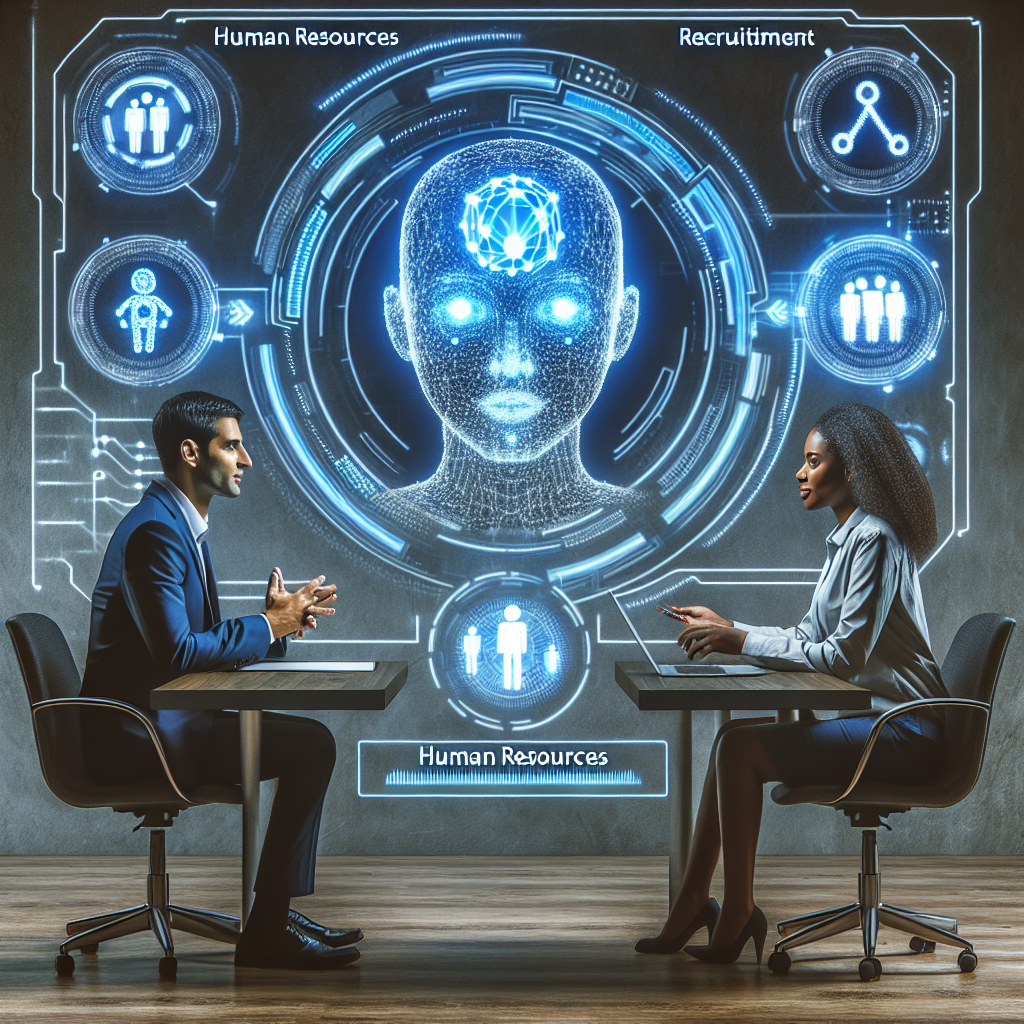
Artificial Intelligence (AI) is revolutionizing the way businesses operate, and HR and recruitment are no exception. AI-driven solutions are transforming the HR and recruitment processes, making them more efficient, effective, and streamlined. From automating mundane tasks to identifying top talent, AI is reshaping the way organizations attract, hire, and retain employees. In this article, we will explore the benefits of AI-driven solutions for HR and recruitment and discuss how they can help businesses stay ahead in the competitive talent landscape.
Benefits of AI-driven Solutions for HR and Recruitment
1. Improved Candidate Screening and Selection
One of the most significant benefits of AI-driven solutions for HR and recruitment is the ability to improve the candidate screening and selection process. AI-powered tools can analyze resumes, cover letters, and online profiles to identify the most qualified candidates for a particular role. These tools can also assess candidates’ skills, experience, and cultural fit, helping HR professionals make more informed hiring decisions.
AI can also help reduce bias in the hiring process by focusing on candidates’ qualifications and skills rather than factors like gender, race, or age. This can lead to a more diverse and inclusive workforce, which has been shown to improve innovation, creativity, and overall company performance.
2. Increased Efficiency and Time Savings
AI-driven solutions can automate time-consuming tasks such as resume screening, scheduling interviews, and sending follow-up emails. This frees up HR professionals to focus on more strategic activities, such as building relationships with candidates, developing talent pipelines, and creating a positive candidate experience.
By automating repetitive tasks, AI can also help organizations reduce time-to-fill and time-to-hire metrics, allowing them to quickly identify and onboard top talent. This can give businesses a competitive edge in the war for talent and ensure that critical roles are filled quickly and efficiently.
3. Enhanced Candidate Experience
AI-driven solutions can provide a more personalized and engaging candidate experience, from the initial application to onboarding. Chatbots and virtual assistants can answer candidates’ questions, provide feedback on their applications, and guide them through the hiring process.
AI can also help organizations create targeted recruitment campaigns that reach candidates where they are most active, such as social media platforms or job boards. By delivering relevant and timely content to candidates, organizations can attract top talent and build a strong employer brand.
4. Predictive Analytics and Data-Driven Insights
AI-driven solutions can analyze vast amounts of data to identify trends, patterns, and insights that can inform recruitment strategies and decision-making. By using predictive analytics, organizations can forecast future hiring needs, identify potential talent gaps, and develop targeted recruitment strategies.
AI can also provide valuable insights into the effectiveness of recruitment campaigns, the performance of hiring managers, and the overall health of the talent pipeline. By leveraging these insights, organizations can make data-driven decisions that drive better outcomes and improve the overall efficiency of the recruitment process.
5. Continuous Learning and Development
AI-driven solutions can help organizations identify skills gaps, provide personalized learning opportunities, and support employees’ continuous development. By analyzing employees’ performance, feedback, and career aspirations, AI can recommend relevant training programs, mentorship opportunities, and career paths.
By investing in employees’ learning and development, organizations can improve employee engagement, retention, and performance. This can help businesses attract and retain top talent, build a strong employer brand, and drive long-term success.
FAQs
Q: How can AI help reduce bias in the hiring process?
A: AI can help reduce bias in the hiring process by focusing on candidates’ qualifications, skills, and experience rather than factors like gender, race, or age. By using objective criteria to evaluate candidates, AI can help organizations build a more diverse and inclusive workforce.
Q: Are AI-driven solutions replacing human recruiters?
A: AI-driven solutions are not replacing human recruiters but rather augmenting their capabilities. AI can automate repetitive tasks, identify top talent, and provide valuable insights, but human recruiters are still essential for building relationships with candidates, assessing cultural fit, and making final hiring decisions.
Q: How can organizations implement AI-driven solutions for HR and recruitment?
A: Organizations can implement AI-driven solutions for HR and recruitment by investing in AI-powered tools, training HR professionals on how to use these tools effectively, and integrating AI into existing processes and systems. By partnering with AI vendors and leveraging their expertise, organizations can harness the power of AI to transform their recruitment strategies and drive better outcomes.
In conclusion, AI-driven solutions are transforming the HR and recruitment landscape, offering numerous benefits such as improved candidate screening, increased efficiency, enhanced candidate experience, predictive analytics, and continuous learning and development. By leveraging AI-powered tools and technologies, organizations can stay ahead in the competitive talent landscape, attract top talent, and drive long-term success. As AI continues to evolve and advance, it will be crucial for organizations to embrace AI-driven solutions and harness their full potential to build a diverse, inclusive, and high-performing workforce.